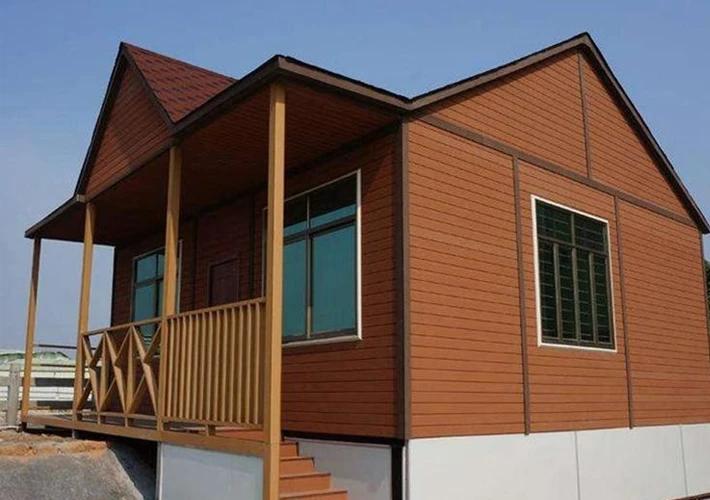
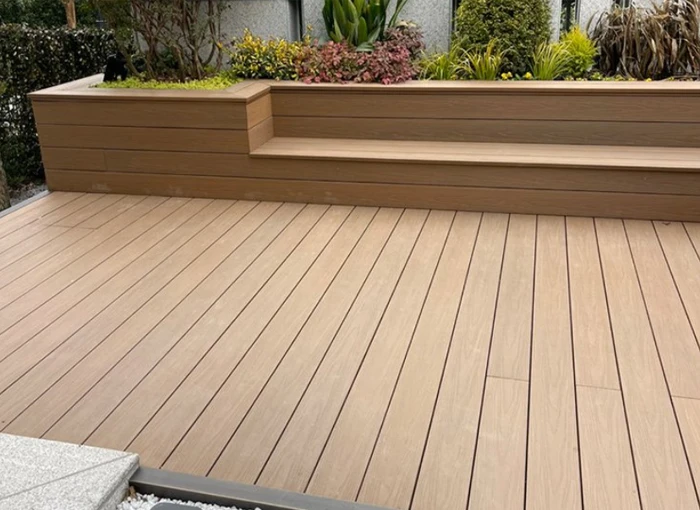
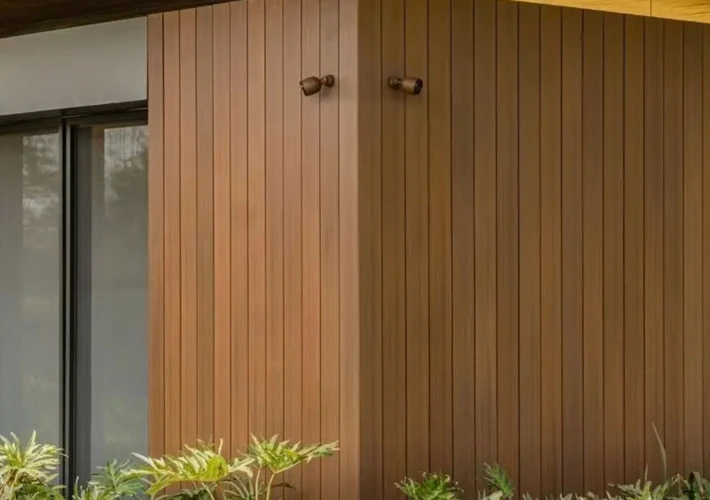
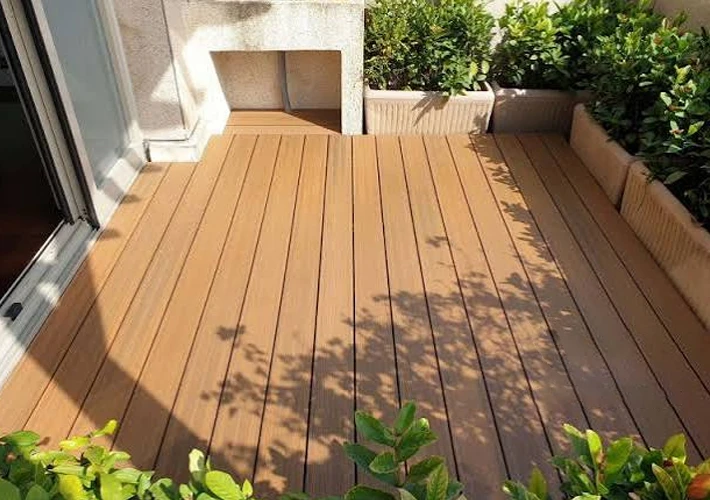
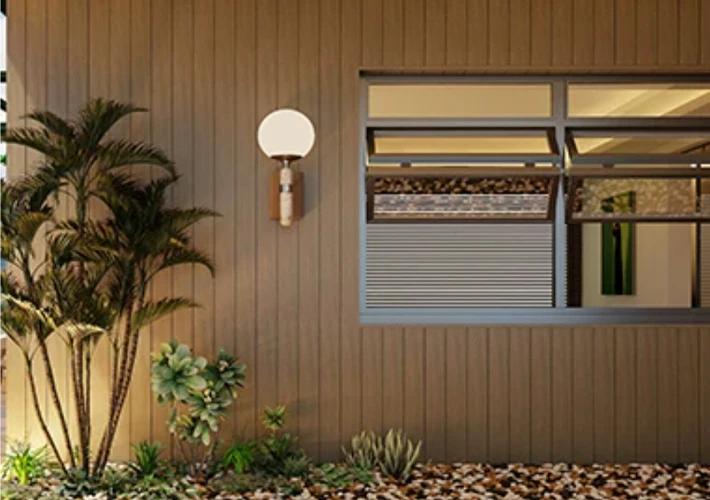
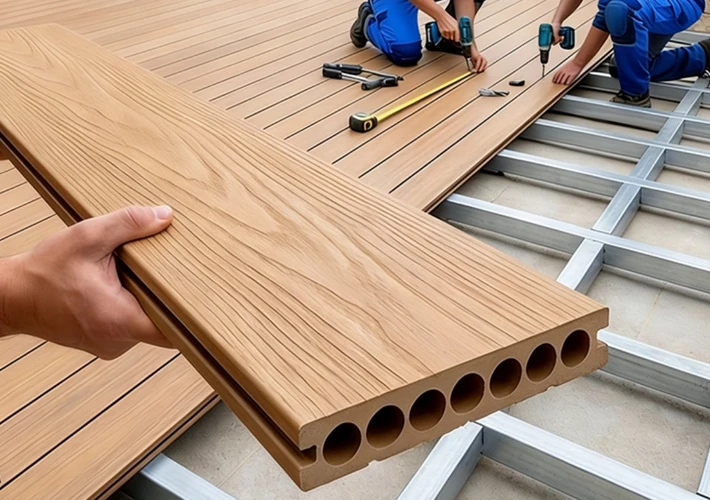
Outdoor living spaces have become increasingly popular in residential, commercial, and hospitality projects worldwide. From swimming pool surrounds and rooftop terraces to hotel patios, garden walkways, outdoor restaurants, and resort leisure areas, decking materials must withstand continuous exposure to sunlight, high temperatures, and changing weather conditions.
For importers, wholesalers, distributors, and construction contractors working in regions with hot and sunny climates, selecting the right decking material is a critical purchasing decision. Traditional timber decking may experience cracking, fading, warping, and frequent maintenance requirements under intense sunlight. Conventional plastic decking can also become uncomfortable to walk on when exposed to direct sunlight for extended periods.
This raises an important question: Is outdoor composite decking suitable for hot and sunny climates?
The answer is yes. High-quality outdoor composite decking can be an excellent solution for hot and sunny environments when the product is correctly formulated, manufactured, and installed. Modern wood-plastic composite decking combines wood fibers or wood flour with thermoplastic materials and performance additives to create boards designed for outdoor applications.
Depending on the product structure and surface technology, composite decking can offer good dimensional stability, moisture resistance, resistance to biological deterioration, and reduced maintenance requirements. Some advanced composite decking products also incorporate heat-conscious material formulations and surface technologies to help reduce excessive heat absorption, making outdoor spaces more comfortable underfoot.
For projects in Australia, the Middle East, Southern Europe, South Africa, and the southwestern United States, surface temperature is particularly important. Swimming pool surrounds, hotel terraces, and outdoor leisure areas require materials that are not only durable but also comfortable for barefoot walking.
At Solidexwood, a China-based manufacturer specializing in outdoor composite products, we understand that international buyers need more than an attractive decking appearance. They need products that match the climate conditions of their target markets, meet project specifications, and provide reliable performance throughout their service life.
This guide explains how outdoor composite decking performs in hot and sunny climates, why low heat absorption matters, how to select suitable products, and what importers and project contractors should consider before placing bulk orders.
How Does Outdoor Composite Decking Perform in Hot and Sunny Climates?
Outdoor composite decking is designed to provide an alternative to traditional timber and other outdoor flooring materials. Its performance in hot climates depends on the interaction between raw materials, manufacturing technology, board structure, surface treatment, and installation conditions.
To understand whether composite decking is suitable for regions with intense sunlight, buyers should first understand how heat and UV radiation affect decking materials.
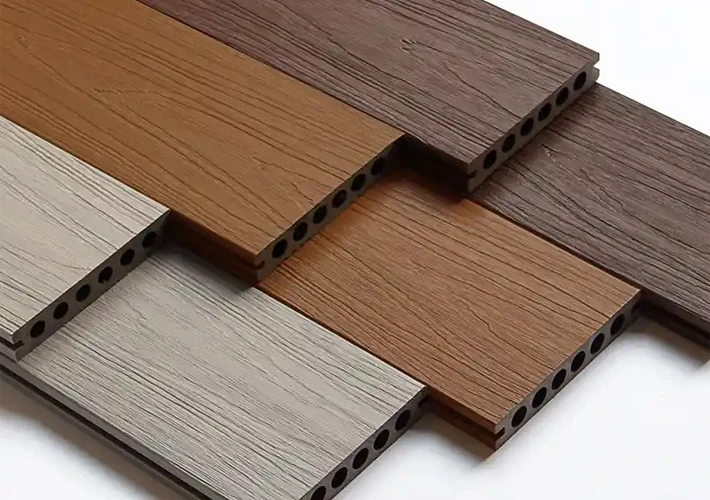
Understanding the Composition of Composite Decking
Most conventional wood-plastic composite decking, commonly known as WPC decking, consists of several primary components:
- Wood fibers or wood flour
- Thermoplastic polymers such as HDPE or PP
- Coupling agents
- UV stabilizers
- Colorants and processing additives
- Other performance-enhancing ingredients
Wood fibers contribute to the board’s appearance, texture, and structural characteristics, while plastic polymers help bind the materials together and provide moisture resistance.
The formulation of these components directly influences the final product’s mechanical properties, thermal behavior, dimensional stability, and outdoor durability.
For example, a composite decking board manufactured with an appropriate polymer formulation and UV stabilizers may offer better resistance to outdoor exposure than a poorly formulated product.
Manufacturers must also control the mixing ratio, extrusion temperature, cooling process, and board density to ensure consistent product quality.
For international buyers, it is important to understand that WPC decking is not a single standardized product. Different manufacturers use different formulations and production technologies, resulting in different performance levels.
How High Temperatures Affect Composite Decking
Outdoor decking is exposed to several environmental factors simultaneously:
- Direct solar radiation.
- High ambient temperatures.
- Temperature differences between daytime and nighttime.
- Thermal expansion and contraction.
- UV radiation over extended periods.
When a decking board is exposed to direct sunlight, its surface temperature can become significantly higher than the surrounding air temperature.
This is not unique to composite decking. Timber, concrete, ceramic tiles, natural stone, and plastic products can also heat up under direct sunlight.
However, the extent of temperature increase varies according to material composition, color, surface texture, density, thermal properties, wind conditions, and solar exposure.
For composite decking manufacturers, selecting appropriate raw materials and developing suitable surface characteristics are important steps toward improving outdoor comfort.
Why Product Quality Matters in Hot Regions
In hot and sunny climates, low-quality composite decking may experience several problems:
- Excessive thermal expansion.
- Surface fading caused by prolonged UV exposure.
- Warping or deformation under unsuitable installation conditions.
- Surface deterioration.
- Reduced structural stability.
- Color inconsistency between production batches.
These problems are often related to material formulation, manufacturing quality, installation practices, or a combination of these factors.
Buyers should therefore avoid choosing decking boards based solely on their initial purchase price.
A reliable manufacturer should be able to provide product specifications, technical information, installation recommendations, and relevant test reports.
For B2B buyers, evaluating the product before purchasing a full container is an effective way to reduce sourcing risks.
Why Low Heat Absorption Matters: More Comfortable Composite Decking for Poolside Areas
One of the biggest concerns when selecting outdoor decking for hot and sunny climates is surface temperature.
Under intense sunlight, some decking materials can become extremely hot, making them uncomfortable for barefoot walking. This is particularly problematic around swimming pools, where people frequently walk without shoes.
For hotels, resorts, swimming pool contractors, and landscape construction companies, the comfort of outdoor flooring directly affects the user experience.
This is why low heat absorption has become an important consideration when selecting outdoor composite decking.
Low Heat Absorption for a More Comfortable Walking Experience
Solidexwood outdoor composite decking places emphasis on outdoor comfort through heat-conscious material and surface design.
Its low heat absorption characteristics are intended to help reduce excessive surface heating under direct sunlight, providing a more comfortable underfoot experience compared with decking products that readily absorb and retain heat.
This feature is particularly valuable in regions where outdoor temperatures remain high for extended periods.
For example, consider a hotel swimming pool surrounded by outdoor decking. Guests frequently move between the pool and sun loungers, often walking barefoot. If the decking surface becomes excessively hot, it can negatively affect their overall experience.
A composite decking solution designed with lower heat absorption can help make these areas more comfortable.
The main benefits include:
1. Cooler Underfoot Experience
Low heat absorption characteristics help reduce excessive surface heating, supporting a more comfortable walking experience in sunny outdoor environments.
2. Better Poolside Comfort
Suitable for swimming pool surrounds, hotel pool terraces, resort decks, and residential outdoor leisure areas where barefoot walking is common.
3. Improved Outdoor Leisure Experience
A more comfortable surface can make patios, garden seating areas, sun terraces, and outdoor relaxation spaces more enjoyable.
4. Additional Value for Commercial Projects
For hotels, resorts, and hospitality developments, outdoor comfort can become an important selling point when selecting decking materials.
Is Composite Decking That Stays Cooler in the Sun Possible?
Buyers often search for terms such as cool composite decking, low heat absorption decking, and composite decking that stays cooler in the sun.
It is important to understand that no conventional outdoor decking material can completely prevent heat absorption when exposed to continuous direct sunlight.
However, manufacturers can develop products with heat-conscious formulations and surface designs intended to reduce excessive heat buildup.
Several factors influence the surface temperature of composite decking:
- Board color.
- Polymer composition.
- Surface texture and finish.
- Board density.
- Direct sunlight exposure.
- Ambient temperature.
- Wind speed and surrounding ventilation.
For example, lighter-colored decking generally absorbs less solar energy than darker-colored decking under otherwise comparable conditions.
This means buyers should consider both the material formulation and the selected color when sourcing composite decking for hot climates.
Solidexwood recommends evaluating actual surface-temperature test results under comparable environmental conditions rather than relying only on marketing descriptions.
Why Is This Important for Swimming Pool Projects?
Swimming pool areas have different requirements from ordinary garden decking.
A suitable poolside decking material should provide:
- Comfortable barefoot walking.
- Appropriate slip resistance when wet.
- Good moisture resistance.
- Resistance to outdoor weather exposure.
- Dimensional stability.
- Easy cleaning and maintenance.
Solidexwood outdoor composite decking is an attractive option for swimming pool surrounds because it combines the practical benefits of composite materials with a focus on outdoor walking comfort.
For swimming pool projects, buyers should also confirm the wet-slip performance of the selected board profile and finish.
Low heat absorption and slip resistance are two separate performance characteristics. Both should be evaluated when selecting decking for public or commercial pool areas.
Key Advantages of Outdoor Composite Decking in Hot and Sunny Regions
Besides heat-related performance, outdoor composite decking offers several advantages that make it suitable for demanding outdoor environments.
For distributors and project contractors, these benefits can provide a strong commercial reason to introduce composite decking into their product portfolios.
1. Better Resistance to Moisture
Traditional timber absorbs moisture from rain, humidity, and surrounding environments. Repeated wetting and drying can cause timber boards to expand, contract, crack, and deteriorate.
Composite decking incorporates thermoplastic materials, which generally provide better moisture resistance than untreated natural timber.
This makes WPC decking suitable for various outdoor applications, including:
- Swimming pool surrounds.
- Garden pathways.
- Outdoor patios.
- Balconies.
- Hotel terraces.
- Commercial landscaping.
- Residential courtyards.
However, moisture resistance does not mean that every composite board is completely waterproof under all conditions.
Buyers should evaluate the specific product structure and technical specifications before selecting materials for permanently wet environments.
2. UV Resistance and Color Stability
Strong sunlight contains ultraviolet radiation that can gradually damage outdoor materials.
Traditional timber may lose its original color, while some plastic products can experience surface deterioration and discoloration after prolonged exposure.
Quality outdoor composite decking can incorporate UV stabilizers, pigments, and protective surface technologies to improve resistance to sunlight exposure.
Capped composite decking is another option for demanding outdoor applications. It features a protective polymer-based outer layer surrounding the composite core.
Depending on the formulation and manufacturing quality, this protective layer can help improve resistance to:
- UV-related fading.
- Surface staining.
- Moisture penetration.
- Everyday scratches.
- General outdoor wear.
For buyers targeting Australia, the Middle East, and other high-UV markets, it is advisable to request relevant accelerated UV aging reports and outdoor exposure data.
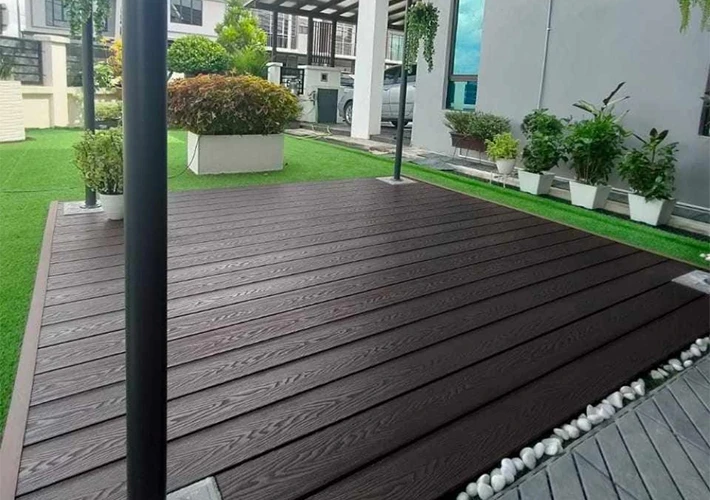
3. Reduced Maintenance Requirements
Maintenance costs are an important consideration for commercial projects.
Traditional timber decking may require periodic sanding, staining, painting, sealing, or protective treatments to maintain its appearance.
Composite decking generally requires less intensive maintenance.
Routine cleaning usually involves:
- Removing leaves and loose dirt.
- Washing the surface with water.
- Using a suitable mild cleaning solution when necessary.
- Removing stains according to the manufacturer’s cleaning instructions.
- Keeping drainage gaps free from debris.
For hotels, restaurants, resorts, and public spaces, reduced maintenance requirements can help simplify daily facility management.
This is especially useful for large projects with extensive outdoor decking areas.
4. Resistance to Rot, Insects, and Biological Deterioration
Natural timber can be vulnerable to termites, fungi, and wood-decaying organisms, especially in humid or tropical environments.
The plastic component in composite decking helps reduce the moisture absorption associated with traditional timber and can make the material less attractive to certain biological organisms.
However, composite decking is not automatically immune to every form of biological damage. Product formulation and environmental conditions still matter.
For projects in tropical and subtropical markets, buyers should request relevant product testing and performance information.
5. Consistent Appearance and Customization
For importers and project contractors, appearance consistency is another important advantage.
Composite decking can be manufactured in different colors, textures, profiles, and dimensions.
Common color options include:
- Teak.
- Walnut.
- Light grey.
- Dark grey.
- Coffee brown.
- Charcoal.
- Natural wood tones.
Manufacturers can also offer different surface textures, including wood-grain patterns, brushed finishes, and embossed designs.
This allows architects and designers to coordinate decking with exterior wall cladding, fencing, garden furniture, and other outdoor building materials.
6. Long-Term Cost Efficiency
Although the initial purchase price of composite decking may be higher than some untreated timber alternatives, its overall maintenance requirements can make it economically attractive over time.
For commercial projects, buyers should consider the total cost of ownership rather than only the initial material price.
Relevant factors include:
- Initial purchasing cost.
- Transportation and installation costs.
- Maintenance frequency.
- Replacement requirements.
- Expected service life.
- Cleaning costs.
The actual economic advantage depends on product quality, local labor costs, environmental exposure, and project requirements.
How to Choose the Best Outdoor Composite Decking for Hot Climates
Not all outdoor composite decking products are equally suitable for hot and sunny regions.
For B2B buyers, selecting the right product requires evaluating several technical characteristics rather than focusing only on appearance or price.
Choose the Right Decking Color
Color selection is one of the most important factors affecting surface temperature.
Generally, lighter-colored surfaces absorb less solar energy than darker surfaces under comparable conditions.
For hot-climate applications, buyers may consider:
- Light teak.
- Sand beige.
- Light grey.
- Silver grey.
- Natural oak.
- Warm brown.
These colors can be suitable for projects where outdoor comfort is a priority.
Dark walnut, charcoal, and dark brown can create an attractive premium appearance, but they may reach higher surface temperatures under direct sunlight.
This does not mean that dark composite decking cannot be used in hot regions. Instead, buyers should evaluate its actual thermal performance and consider the amount of direct sunlight the project receives.
For hotel poolside projects, light and medium colors are often worth considering.
Compare Solid Core and Hollow Composite Decking
Composite decking is commonly available in solid and hollow structures.
Solid Composite Decking
Solid boards have a relatively dense internal structure.
Advantages include:
- Substantial board construction.
- Good resistance to certain localized impacts.
- A suitable option for applications requiring a solid profile.
- Compatibility with different surface designs.
Potential disadvantages include greater material consumption and weight compared with hollow boards of similar external dimensions.
Hollow Composite Decking
Hollow boards contain internal cavities designed to reduce material consumption and overall weight.
Advantages include:
- Lower material usage.
- Reduced board weight.
- Convenient transportation and handling.
- Different internal cavity designs for various applications.
However, hollow boards must be engineered with appropriate wall thickness and structural support.
For commercial projects, the choice should be based on load requirements, span, joist spacing, and installation conditions.
Consider First-Generation and Capped Composite Decking
Traditional first-generation WPC decking generally has a composite material throughout its cross-section.
Capped composite decking features an additional protective outer layer.
The protective cap may improve resistance to surface stains, moisture, UV exposure, and everyday wear, depending on the product formulation.
For hot and sunny environments, buyers should compare:
- Core material composition.
- Cap material.
- UV resistance.
- Surface temperature performance.
- Color stability.
- Scratch resistance.
- Weathering test results.
A capped product is not automatically cooler than an uncapped product. Heat absorption still depends on the overall material properties, surface color, and environmental conditions.
Evaluate the Polymer Formulation
Different thermoplastic polymers have different thermal and mechanical characteristics.
HDPE and PP are commonly used in composite decking manufacturing.
The selected polymer affects:
- Thermal expansion.
- Flexibility.
- Impact resistance.
- Moisture behavior.
- Processing characteristics.
- Long-term dimensional stability.
Manufacturers must optimize the formulation according to the intended application.
For buyers targeting extremely hot markets, it is useful to request product specifications and ask manufacturers how the formulation has been developed for high-temperature outdoor conditions.
Ask for UV and Weathering Test Reports
A reliable composite decking supplier should be able to provide technical information that helps buyers evaluate product quality.
Relevant testing may include:
| Testing Item | Why It Matters |
|---|---|
| UV aging test | Evaluates resistance to artificial UV exposure |
| Color change test | Measures changes in appearance after exposure |
| Water absorption test | Evaluates moisture-related performance |
| Flexural strength test | Measures resistance to bending |
| Impact resistance test | Evaluates resistance to impact |
| Thermal expansion test | Helps assess dimensional changes |
| Slip resistance test | Important for wet outdoor areas |
| Surface temperature test | Helps evaluate comfort under sunlight |
Buyers should check the test method, testing conditions, specimen details, and acceptance criteria.
For example, a surface temperature comparison is only meaningful when the products are tested under similar conditions, including sunlight intensity, ambient temperature, wind speed, board color, and installation configuration.
Request Samples Before Bulk Purchasing
Product samples allow buyers to assess several important characteristics before placing large orders.
We recommend evaluating:
- Surface appearance and texture.
- Color consistency.
- Board dimensions.
- Weight and structural profile.
- Surface hardness.
- Installation compatibility.
- Available technical documentation.
For distributors and wholesalers, requesting samples from different production batches can also help evaluate manufacturing consistency.
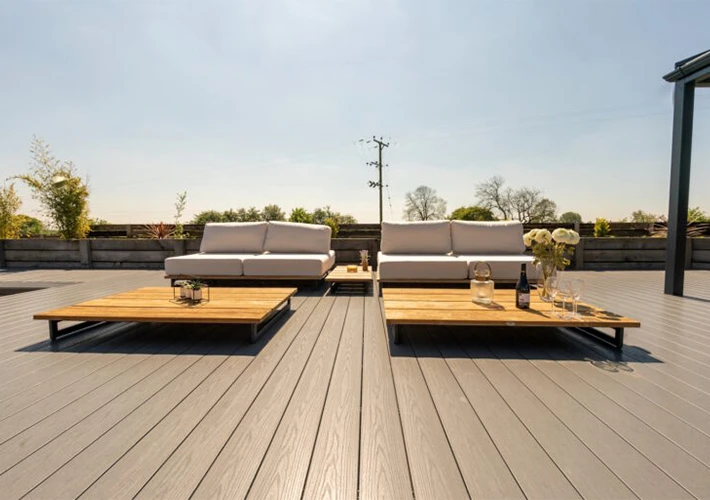
Installation Tips for Composite Decking in High-Temperature Environments
Even high-quality composite decking can experience problems if it is installed incorrectly.
In hot climates, installation details become particularly important because composite materials expand and contract as temperatures change.
Proper installation helps maintain board alignment, drainage, ventilation, and long-term structural performance.
Allow Appropriate Expansion Gaps
Composite decking expands and contracts in response to temperature changes.
Installers should leave the expansion gaps specified by the manufacturer.
The required spacing depends on:
- Board length.
- Product formulation.
- Installation temperature.
- Expected temperature range.
- Installation system.
- Manufacturer recommendations.
For example, boards installed during cooler weather may require different end gaps from boards installed during hot weather.
Installers should never assume that all WPC decking products require identical spacing.
Following the manufacturer’s installation manual is essential.
Provide Sufficient Ventilation Beneath the Deck
Good ventilation is important for outdoor decking installations.
An appropriate substructure allows air to circulate beneath the boards and helps prevent excessive heat accumulation in enclosed spaces.
A properly ventilated decking system should include:
- Suitable joist spacing.
- Adequate ground clearance.
- Open drainage paths.
- Sufficient ventilation around the perimeter.
- No unnecessary obstruction beneath the boards.
Poor ventilation can contribute to moisture accumulation and may affect the long-term performance of the decking system.
For rooftop terraces and balconies, drainage and ventilation should be incorporated into the project design.
Use a Suitable Substructure
The substructure supports the decking boards and distributes loads.
Depending on the project requirements, the support system may use:
- Aluminum joists.
- Galvanized steel supports.
- Treated timber joists.
- Compatible composite support systems.
For hot climates, the substructure must be selected according to the local environment and structural requirements.
Metal substructures should also be considered in terms of corrosion resistance, particularly for swimming pool areas and coastal projects.
Installers should follow the manufacturer’s recommendations for joist spacing, fasteners, and maximum unsupported spans.
Select Appropriate Fasteners and Clips
Composite decking systems commonly use hidden clips, screws, and other fastening accessories.
The correct fastening system helps maintain board alignment while allowing the required movement.
For commercial applications, buyers should confirm:
- Clip compatibility.
- Screw material.
- Corrosion resistance.
- Installation sequence.
- End-gap requirements.
- Edge fastening details.
Using incompatible accessories can create unnecessary installation problems.
Avoid Trapping Heat and Water
Decking installations should allow rainwater and cleaning water to drain away efficiently.
Standing water, blocked drainage channels, and enclosed cavities can affect the overall performance of an outdoor decking system.
This is particularly important around swimming pools, where the surface is frequently exposed to water.
The substructure should be designed to provide appropriate drainage while maintaining structural stability.
Consider Direct Sunlight Exposure
Not all outdoor spaces receive the same amount of sunlight.
A swimming pool terrace in an open desert environment has different exposure conditions from a garden deck partially shaded by trees.
Before selecting a product, project contractors should assess:
- Daily sunlight duration.
- Local maximum temperatures.
- Orientation of the decking area.
- Available shade.
- Distance from reflective surfaces.
- Expected pedestrian traffic.
For highly exposed areas, buyers may consider lighter colors, suitable protective surface technologies, and additional shading structures.
Best Applications of Outdoor Composite Decking in Hot and Sunny Climates
Outdoor composite decking is suitable for a wide range of residential, commercial, and hospitality projects.
Its combination of outdoor durability, design flexibility, and relatively low maintenance makes it an attractive material for different climates.
Swimming Pool Surrounds
Swimming pool decking is one of the most important applications for composite materials.
Poolside flooring must withstand regular exposure to water, sunlight, cleaning products, and heavy pedestrian traffic.
Solidexwood composite decking is designed for outdoor leisure applications, with low heat absorption characteristics intended to provide a more comfortable underfoot experience in sunny environments.
Potential applications include:
- Private swimming pools.
- Hotel swimming pools.
- Resort pool decks.
- Water park surroundings.
- Residential pool terraces.
- Outdoor spa areas.
For these projects, buyers should pay particular attention to wet-slip performance, drainage, surface temperature, and fastener corrosion resistance.
Hotels and Resorts
Hotels and resorts often have extensive outdoor leisure areas.
Decking materials are used in:
- Swimming pool terraces.
- Outdoor restaurants.
- Guest relaxation areas.
- Garden walkways.
- Beachfront leisure spaces.
- Rooftop entertainment areas.
For hospitality projects, appearance and comfort are both important.
A well-designed composite decking system can create a consistent outdoor aesthetic while reducing routine maintenance requirements.
Low heat absorption is also a valuable feature for hotel poolside areas, where guests frequently walk barefoot.
Residential Gardens and Patios
Homeowners in hot climates often want outdoor spaces that are attractive and easy to maintain.
Composite decking can be used for:
- Backyard patios.
- Garden platforms.
- Outdoor dining areas.
- Courtyard flooring.
- Balcony extensions.
- Pergola surroundings.
Different colors and surface textures allow designers to coordinate decking with exterior wall cladding, fencing, and garden furniture.
For sunny gardens, lighter colors can be considered to help reduce solar heat absorption.
Rooftop Terraces
Rooftop terraces are common in commercial buildings, hotels, and urban residential developments.
However, rooftops can receive intense sunlight and may experience higher surface temperatures than ground-level outdoor spaces.
Composite decking can provide a practical flooring solution when installed over a suitable support system.
Important considerations include:
- Waterproofing membrane protection.
- Structural loading.
- Drainage.
- Ventilation.
- Thermal expansion.
- Access for maintenance.
The decking system should never compromise the building’s waterproofing layer.
Outdoor Restaurants and Cafes
Outdoor dining spaces are another suitable application.
Restaurants and cafes require attractive flooring that can withstand daily pedestrian traffic, furniture movement, cleaning, and weather exposure.
Composite decking can help create visually appealing outdoor seating areas.
For projects in hot regions, combining decking with shade structures, pergolas, umbrellas, and appropriate landscaping can further improve customer comfort.
Commercial Landscaping and Public Walkways
Composite decking can also be used in public and commercial landscaping projects.
Examples include:
- Garden pathways.
- Park platforms.
- Boardwalks.
- Outdoor seating areas.
- Commercial courtyards.
- Recreational facilities.
For public projects, structural loading, slip resistance, fire requirements, local building regulations, and maintenance access should all be evaluated before product selection.
Why Choose Solidexwood as Your Outdoor Composite Decking Manufacturer in China?
For international importers and distributors, selecting the right manufacturer is just as important as choosing the right product.
A reliable supplier should provide consistent manufacturing quality, product customization, technical support, competitive pricing, and stable export capabilities.
Solidexwood is a China-based manufacturer specializing in composite outdoor products, including composite decking and exterior cladding solutions.
We work with international buyers who need practical outdoor building materials for residential, commercial, and landscaping projects.
Factory-Direct Manufacturing
Working directly with a Chinese factory provides several advantages for importers and wholesalers.
These include:
- Direct communication with the production team.
- More efficient product customization.
- Better coordination of bulk orders.
- Competitive factory pricing.
- Product specification discussions.
- Support for OEM and ODM requirements.
For buyers importing container quantities, factory-direct cooperation can also make it easier to coordinate packaging, loading, and production schedules.
Custom Colors, Profiles, and Dimensions
Different markets have different preferences for decking appearance and construction requirements.
Solidexwood can work with buyers to discuss suitable product specifications and customization requirements.
Depending on the product series, customization may include:
- Different decking colors.
- Wood-grain surface designs.
- Solid and hollow profiles.
- Different board dimensions.
- Customized packaging.
- Project-specific accessories.
For distributors, customized product options can help establish a differentiated product range in their local markets.
Product Solutions for Hot and Sunny Markets
Solidexwood understands that buyers in Australia, the Middle East, North America, and other sunny regions have specific expectations for outdoor decking.
Important product considerations include:
- UV resistance.
- Color stability.
- Thermal expansion.
- Surface temperature.
- Moisture resistance.
- Structural strength.
- Installation compatibility.
For poolside projects, we particularly emphasize the importance of low heat absorption and a more comfortable barefoot walking experience.
Buyers can contact our team to discuss available product specifications and request relevant technical documentation.
OEM and ODM Support
For established importers and distributors, private-label cooperation can be an important part of business development.
Solidexwood can discuss OEM and ODM requirements according to project needs, including product appearance, dimensions, packaging, and branding.
This helps buyers develop their own composite decking product lines while working with an experienced manufacturing partner in China.
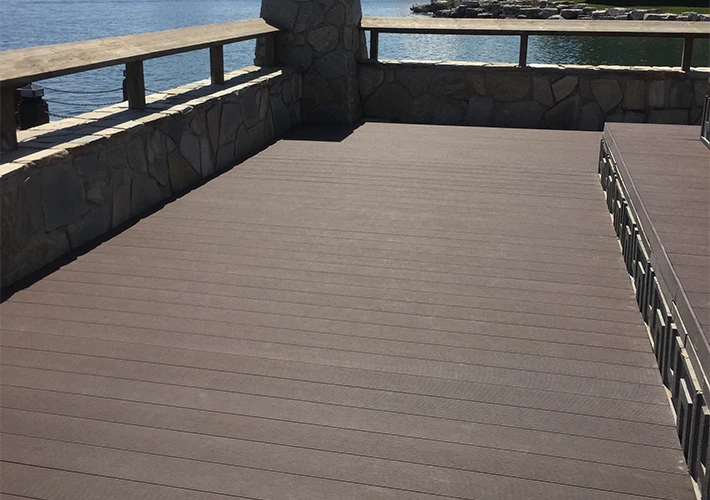
What Should Buyers Confirm Before Placing an Order?
Before purchasing outdoor composite decking in bulk, we recommend confirming the following details:
| Purchasing Item | What Buyers Should Check |
|---|---|
| Product type | Traditional WPC or capped composite decking |
| Board structure | Solid or hollow |
| Dimensions | Width, thickness, and length |
| Color | Standard or customized colors |
| Surface | Wood grain, brushed, or embossed |
| UV performance | Available weathering test reports |
| Heat performance | Surface temperature test results |
| Mechanical properties | Flexural strength and impact resistance |
| Installation | Compatible clips, screws, and joists |
| Packaging | Export packaging and pallet requirements |
| Order quantity | MOQ and container loading capacity |
| Customization | OEM and ODM availability |
A detailed product specification sheet helps buyers compare different suppliers more accurately.
For large commercial projects, requesting samples and confirming technical requirements before production is highly recommended.
Frequently Asked Questions About Outdoor Composite Decking in Hot Climates
Q1: Is outdoor composite decking suitable for extremely hot climates?
Yes. Quality outdoor composite decking can be suitable for extremely hot climates when its formulation, UV resistance, structural properties, and installation method are appropriate for local conditions. Buyers should select products specifically evaluated for high-temperature outdoor applications.
Q2: Does composite decking get hot in direct sunlight?
Yes. Like other outdoor materials, composite decking absorbs solar energy and can become hot under direct sunlight. However, surface temperature varies according to color, material composition, surface characteristics, and weather conditions. Low heat absorption designs can help reduce excessive surface heating.
Q3: Is Solidexwood composite decking suitable for swimming pool areas?
Solidexwood outdoor composite decking is designed for outdoor applications, including leisure spaces such as swimming pool surrounds. Its low heat absorption characteristics are intended to provide a more comfortable underfoot experience in sunny conditions. Buyers should also confirm the selected product’s wet-slip performance and installation specifications.
Q4: Which composite decking color is best for hot climates?
Light and medium colors such as light grey, beige, light teak, and natural oak are generally preferable when reducing solar heat absorption is a priority. Darker colors can reach higher surface temperatures under otherwise comparable conditions.
Q5: Is capped composite decking better for sunny environments?
Capped composite decking can offer improved surface protection against UV exposure, moisture, stains, and everyday wear, depending on the cap material and formulation. However, buyers should evaluate actual test results rather than assuming that all capped products have identical performance.
Q6: Does composite decking expand in high temperatures?
Yes. Composite decking experiences thermal expansion and contraction. Proper expansion gaps, suitable fasteners, and correct installation spacing are essential to prevent buckling and other installation-related problems.
Q7: How long does outdoor composite decking last in hot climates?
Service life depends on raw materials, manufacturing quality, UV exposure, installation, maintenance, and local environmental conditions. Buyers should request product-specific durability information and warranty terms rather than relying on a general lifespan estimate.
Q8: Is composite decking suitable for hotels and commercial projects?
Yes. Composite decking can be used in hotel terraces, resorts, outdoor restaurants, commercial landscaping, and public leisure spaces. Product selection should consider structural loading, slip resistance, fire requirements, maintenance needs, and local building regulations.
Q9: What is the difference between WPC decking and traditional timber decking in sunny climates?
Traditional timber may require regular sealing, staining, or painting and can be vulnerable to cracking, warping, and biological deterioration. WPC decking generally requires less intensive maintenance and offers improved moisture resistance. Both materials can heat up under direct sunlight, so surface temperature should be evaluated for the specific product.
Q10: Can I order customized outdoor composite decking directly from a Chinese factory?
Yes. Solidexwood works with international importers, wholesalers, distributors, and project contractors to discuss customized decking specifications, including colors, dimensions, surface designs, and packaging. Contact our team to discuss your target market and bulk purchasing requirements.
Conclusion: Choose the Right Composite Decking for Hot and Sunny Outdoor Spaces
Outdoor composite decking is a practical solution for many hot and sunny environments. With suitable material formulations, UV protection, appropriate surface designs, and professional installation, it can provide a durable and attractive alternative to traditional outdoor flooring materials.
For buyers working on swimming pool projects, hotels, resorts, patios, and commercial landscaping, low heat absorption is an additional product characteristic worth considering. A more comfortable underfoot experience can make a meaningful difference in outdoor leisure environments where people frequently walk barefoot.
However, successful product selection requires more than choosing a decking board based on appearance. Buyers should evaluate thermal performance, color, UV resistance, structural strength, slip resistance, installation requirements, and long-term maintenance.
As a China-based outdoor composite products manufacturer, Solidexwood is committed to providing composite decking solutions for international distributors, importers, and construction projects.
Whether you are sourcing outdoor composite decking for Australia, the Middle East, North America, or Europe, our team can help you explore suitable product specifications and customization options.
Looking for a reliable outdoor composite decking manufacturer in China?
Contact Solidexwood today to request product catalogs, technical specifications, samples, and wholesale quotations.
Solidexwood – Your Trusted Partner for Outdoor Composite Decking and Exterior Cladding.