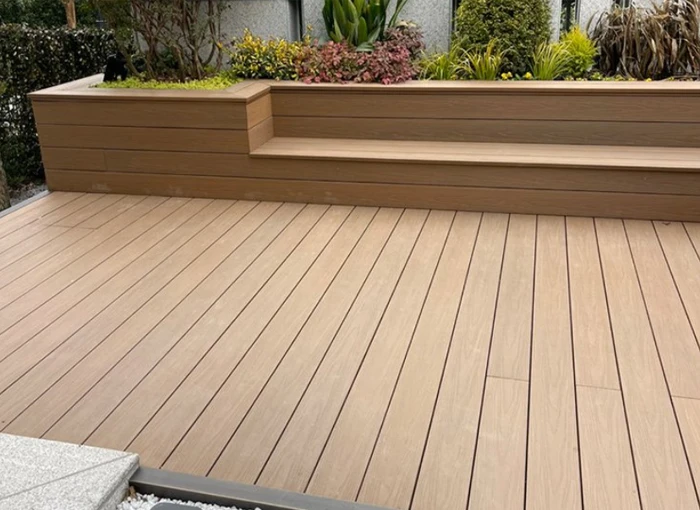
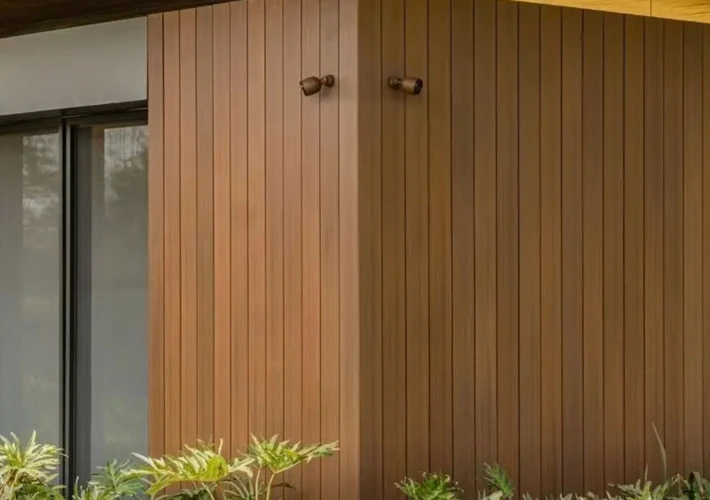
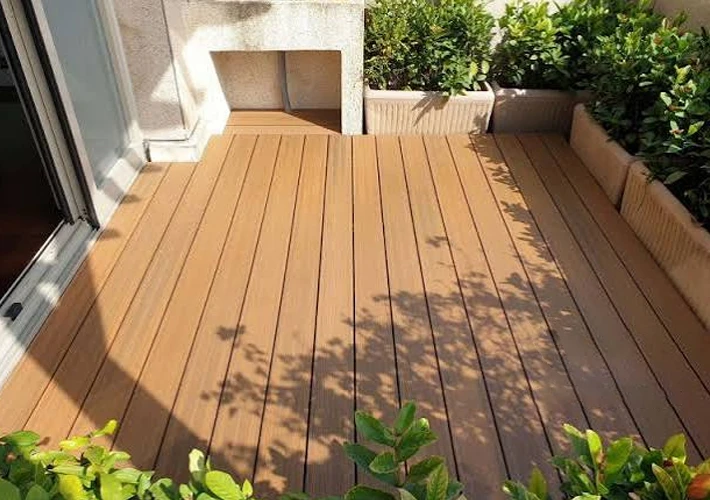
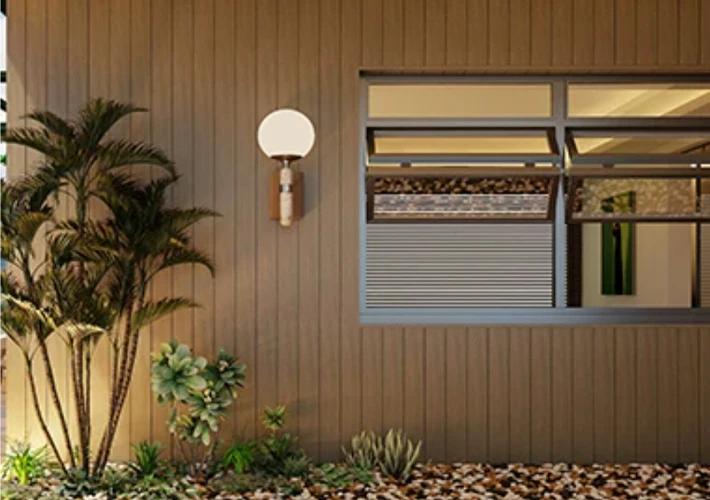
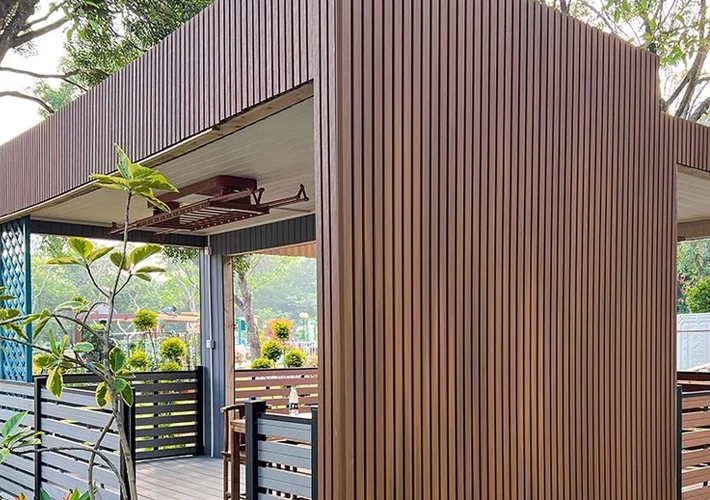
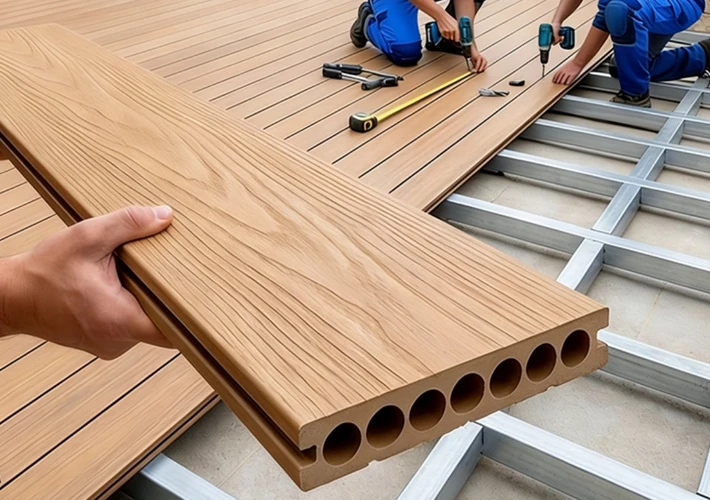
Composite exterior wall cladding has become an increasingly popular solution for modern residential, commercial, and industrial buildings. Combining the appearance of natural wood with the practical advantages of composite materials, it offers an attractive alternative to traditional timber siding, particularly in projects where weather resistance, reduced maintenance, and long-term durability are important.
However, although composite cladding generally requires less maintenance than natural wood, it does not mean that it is completely maintenance-free. Regular cleaning, periodic inspections, proper drainage management, and appropriate care can help preserve its appearance and structural performance for many years.
For importers, wholesalers, building material distributors, and construction contractors, understanding how to maintain composite exterior wall cladding is also important when selecting products for different markets. Maintenance requirements can vary depending on the composite formulation, surface treatment, installation method, local climate, and environmental exposure.
As a professional Chinese composite building materials supplier, Solidexwood understands that product quality is only one part of a successful exterior cladding project. Providing practical maintenance guidance also helps distributors and contractors deliver better long-term value to their customers.
This guide explains how to maintain composite exterior wall cladding, how frequently it should be cleaned, which cleaning products are suitable, how to prevent common problems, and what buyers should consider when sourcing composite cladding from a Chinese manufacturer.
What Is Composite Exterior Wall Cladding and Why Does Maintenance Matter?
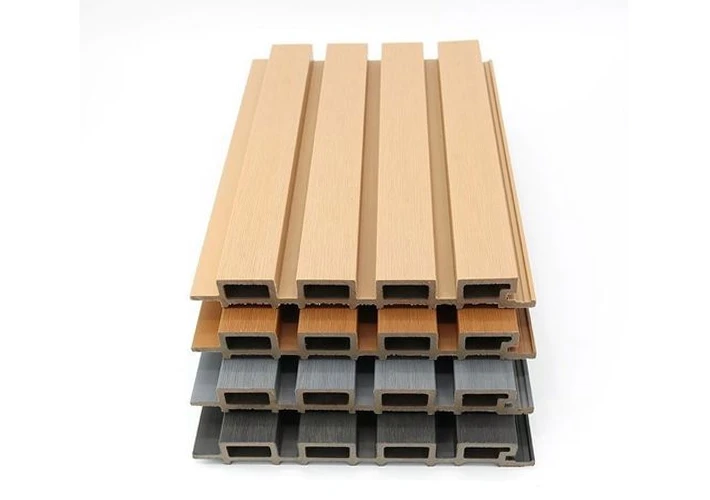
Composite exterior wall cladding is an exterior building material manufactured by combining different materials, commonly wood fibers or wood flour with thermoplastic polymers and selected additives.
Depending on the product category and manufacturing process, composite cladding may include traditional wood-plastic composite (WPC), co-extruded WPC, and other engineered composite exterior siding systems.
These materials are designed to provide a balance between decorative appearance and practical outdoor performance.
Unlike untreated natural timber, composite cladding does not normally require routine painting, staining, or wood-preservative treatments. Its polymer content helps reduce moisture absorption, while stabilizers and other additives can improve resistance to UV exposure, temperature changes, and environmental conditions.
1.1 Why Composite Cladding Still Needs Regular Maintenance
Even high-quality composite exterior wall cladding is continuously exposed to environmental factors.
These include:
- Rainwater and humidity.
- Direct sunlight and UV radiation.
- Dust, dirt, and airborne pollutants.
- Windblown sand and debris.
- Mold and mildew growth in damp environments.
- Salt deposits in coastal areas.
- Temperature fluctuations and seasonal weather changes.
Over time, these factors may affect the surface appearance of composite cladding.
For example, dust can accumulate in surface grooves, organic debris may become trapped between panels, and poor drainage can create conditions favorable to mold growth.
In coastal environments, airborne salt can leave deposits on exterior surfaces. In areas with heavy rainfall, accumulated moisture and insufficient ventilation may increase the risk of surface contamination.
Regular maintenance helps address these issues before they develop into more serious problems.
1.2 Main Benefits of Proper Composite Cladding Maintenance
A consistent maintenance routine offers several advantages.
Preserving the original appearance
Cleaning removes accumulated dirt, pollution, and organic deposits, helping maintain the original decorative finish.
Reducing the risk of surface damage
Removing abrasive particles and checking for scratches or impact damage can help prevent minor issues from becoming more noticeable.
Maintaining drainage and ventilation
Keeping drainage channels and ventilation gaps clear helps exterior wall systems manage rainwater more effectively.
Supporting long-term performance
Periodic inspections help identify loose fasteners, damaged accessories, and installation-related problems.
Reducing maintenance costs
Routine cleaning and preventive inspections are generally less expensive than replacing damaged panels or repairing an affected wall system.
For commercial building owners and property management companies, these benefits can make composite cladding an attractive long-term exterior solution.
1.3 Does Composite Exterior Cladding Require Less Maintenance Than Natural Wood?
Yes. In general, composite exterior cladding requires less routine maintenance than untreated natural timber.
Natural wood siding may need regular sanding, staining, painting, sealing, or treatment against insects and moisture. Composite cladding generally eliminates many of these recurring requirements.
| Maintenance Item | Natural Wood Cladding | Composite Exterior Cladding |
|---|---|---|
| Regular cleaning | Required | Required |
| Painting or staining | Often required | Usually not required |
| Wood preservative treatment | May be required | Generally not required |
| Insect protection | Depends on wood species and treatment | Depends on composite formulation |
| Moisture management | Essential | Still important |
| Surface inspection | Recommended | Recommended |
| Replacement of damaged boards | Sometimes necessary | Sometimes necessary |
The exact maintenance requirements depend on the material specification and manufacturer instructions.
Importantly, low maintenance does not mean zero maintenance. Buyers should always request product-specific care recommendations from their suppliers.
How to Clean Composite Exterior Wall Cladding Properly
Cleaning is the most important part of routine composite cladding maintenance.
In most environments, basic cleaning with water and a mild detergent is sufficient to remove ordinary dirt and surface contamination.
The objective is to clean the surface without damaging the protective layer, decorative texture, or color finish.
2.1 Step One: Remove Loose Dirt and Surface Debris
Before using water or cleaning solutions, remove loose materials from the cladding surface.
Suitable tools include:
- A soft-bristle brush.
- A microfiber cloth.
- A soft broom.
- A garden hose.
- A non-abrasive cleaning sponge.
Start at the upper section of the wall and work downward.
This approach helps prevent dirty water from running over areas that have already been cleaned.
For grooved, fluted, or wood-grain composite cladding, pay particular attention to recessed areas where dust and debris may accumulate.
Avoid metal brushes, abrasive scouring pads, and sharp cleaning tools. These may scratch the decorative surface or damage the coating.
2.2 Step Two: Wash the Surface With Clean Water
For ordinary dust and loose dirt, clean water is often sufficient.
A garden hose can be used to rinse the exterior surface.
Use moderate water pressure and maintain a suitable distance from the wall. The objective is to remove dirt without forcing excessive water into joints, openings, or incorrectly sealed areas.
When cleaning large commercial buildings, professional washing equipment may be used, provided that the pressure and nozzle settings are compatible with the manufacturer’s recommendations.
Do not automatically assume that a pressure washer is suitable for every composite product.
Excessive pressure can damage coatings, affect joints, or force water into areas where it should not enter.
2.3 Step Three: Use a Mild Detergent for Stubborn Dirt
If clean water cannot remove accumulated dirt, prepare a mild detergent solution.
A practical cleaning process is:
- Mix a small amount of mild, non-abrasive detergent with clean water.
- Apply the solution using a soft sponge or cloth.
- Gently clean the affected surface.
- Pay attention to grooves and panel joints.
- Rinse thoroughly with clean water.
- Allow the surface to dry naturally.
Avoid strong acidic or alkaline chemicals unless the product manufacturer specifically approves them.
Industrial cleaning chemicals, concentrated solvents, paint removers, and aggressive degreasers may damage some composite surfaces.
For an unfamiliar cleaning product, test it on a small, inconspicuous area first.
2.4 Step Four: Rinse Thoroughly
After cleaning, rinse the wall with sufficient clean water to remove detergent residue.
This is particularly important in humid or coastal environments.
Residual cleaning agents may attract dirt or leave visible marks after drying.
When working on large exterior projects, divide the wall into manageable sections to ensure that detergent does not dry on the surface before rinsing.
2.5 Step Five: Check the Surface After Cleaning
Once the cladding has dried, inspect the surface.
Look for:
- Remaining dirt deposits.
- Water marks.
- Scratches or impact damage.
- Discoloration.
- Loose panels.
- Damaged joints.
- Blocked drainage openings.
Cleaning and inspection can be performed together, making routine maintenance more efficient.
For building contractors managing multiple projects, maintaining a simple inspection record can help track the condition of exterior wall systems over time.
How Often Should You Maintain Composite Exterior Wall Cladding?
The appropriate maintenance frequency depends on the local climate, building location, pollution levels, product surface characteristics, and environmental exposure.
There is no single cleaning schedule that applies to every project.
However, a practical maintenance plan can help building owners and contractors maintain consistent exterior performance.
3.1 Recommended Maintenance Schedule
The following schedule provides a general reference for composite exterior cladding.
| Maintenance Activity | Suggested Frequency | Main Purpose |
|---|---|---|
| Visual surface inspection | Every 3–6 months | Identify visible damage |
| Basic surface cleaning | Every 3–6 months | Remove dust and dirt |
| Check panel connections | Every 6 months | Identify loose fasteners |
| Inspect drainage and ventilation | Every 6 months | Prevent moisture accumulation |
| Deep cleaning | Once or twice a year | Remove stubborn contamination |
| Detailed system inspection | Once a year | Review overall condition |
These intervals are general recommendations rather than universal manufacturer requirements. Buildings exposed to heavy pollution, coastal salt, frequent storms, or industrial emissions may require more frequent attention.
3.2 Maintenance in Coastal Environments
Coastal buildings are exposed to salt-laden air, high humidity, wind, and sometimes strong UV radiation.
Salt deposits can accumulate on exterior wall surfaces, particularly in locations close to the sea.
For composite cladding installed in coastal regions, consider the following practices:
- Rinse the exterior surface regularly with fresh water.
- Remove salt deposits before they accumulate.
- Inspect metal fasteners and accessories for corrosion.
- Check joints and drainage openings.
- Ensure that the selected fixing system is suitable for coastal exposure.
Stainless steel fasteners with an appropriate corrosion-resistance grade may be necessary depending on the project specifications.
Buyers should not assume that every stainless steel grade offers the same corrosion resistance.
For coastal developments in Australia, Southeast Asia, the Middle East, and island markets, it is particularly important to evaluate both the composite boards and the fixing accessories.
3.3 Maintenance in Hot and Sunny Climates
High temperatures and strong UV radiation can affect exterior building materials.
Although composite cladding is designed for outdoor applications, different formulations and surface technologies offer different levels of weather resistance.
Recommended practices include:
- Clean dust and airborne pollutants regularly.
- Inspect surfaces after periods of extreme heat.
- Check expansion joints and panel alignment.
- Avoid placing concentrated heat sources close to the cladding.
- Confirm that the selected product has suitable UV-resistance performance.
For projects in regions with intense sunlight, buyers should prioritize products with documented UV-stability characteristics.
Co-extruded composite cladding is one option worth considering because its protective outer layer is designed to provide additional surface protection.
However, actual performance depends on the coating formulation, manufacturing quality, and product specifications.
3.4 Maintenance in Humid and Rainy Regions
High humidity and frequent rainfall can encourage the accumulation of organic debris, algae, and mildew on exterior surfaces.
The most important maintenance priorities are:
- Keep the cladding surface clean.
- Remove leaves and organic debris.
- Maintain clear drainage paths.
- Ensure adequate ventilation behind the cladding.
- Inspect areas around windows, doors, and building corners.
- Address water leakage or persistent dampness promptly.
In tropical markets such as Thailand, Malaysia, Indonesia, and Vietnam, drainage and ventilation should receive particular attention.
A properly designed rainscreen system can help manage moisture behind the exterior cladding, but it must be correctly installed and maintained.
How to Prevent Mold, Mildew, Stains, and Surface Discoloration
One common misconception about composite exterior wall cladding is that it can never develop mold, mildew, or stains.
In reality, the surface may become contaminated by organic materials, airborne pollutants, or persistent moisture.
Composite materials can reduce certain moisture-related risks compared with untreated timber, but environmental conditions still influence surface cleanliness.
4.1 Preventing Mold and Mildew
Mold and mildew may develop on exterior surfaces where moisture, dirt, and organic deposits remain for extended periods.
Common contributing factors include:
- Poor drainage.
- Insufficient airflow.
- Accumulated leaves and plant debris.
- Persistent condensation.
- Nearby vegetation.
- Water leakage from gutters or roof systems.
To reduce the risk of mold and mildew:
Keep the surface clean
Remove dirt, pollen, leaves, and other organic materials regularly.
Improve drainage
Ensure that rainwater can drain away rather than remaining trapped behind or between panels.
Maintain ventilation
The cavity behind ventilated cladding should follow the product’s installation requirements.
Trim nearby vegetation
Plants growing directly against the wall can restrict airflow and retain moisture.
Repair water leakage
Check gutters, downpipes, flashing, and window details if moisture repeatedly appears in the same area.
If mold or mildew develops, use a cleaner approved for the specific composite product. Always follow the manufacturer’s instructions.
4.2 Removing Common Exterior Stains
Different stains require different cleaning approaches.
| Type of Stain | Possible Cause | Recommended Cleaning Method |
|---|---|---|
| Dust and dirt | Wind and air pollution | Water and mild detergent |
| Mud stains | Rain splash and soil | Rinse with water and soft brush |
| Pollen | Trees and surrounding vegetation | Water and microfiber cloth |
| Bird droppings | Bird activity | Soften with water, then gently clean |
| Green surface deposits | Algae or organic growth | Manufacturer-approved exterior cleaner |
| Oil stains | Nearby mechanical or construction activity | Approved mild degreaser after testing |
| Water marks | Mineral deposits or residual detergent | Clean water and appropriate approved cleaner |
For stubborn stains, avoid immediately using aggressive chemicals.
Instead, identify the source of the stain and test an appropriate cleaning solution on an inconspicuous area.
4.3 Preventing Color Fading
Color stability is an important consideration for exterior cladding, particularly in commercial projects where consistent appearance across large wall areas is essential.
UV radiation, heat, weather exposure, and the quality of raw materials can influence long-term color performance.
The following measures can help:
- Choose composite cladding designed for outdoor exposure.
- Request information about UV stabilizers and surface protection.
- Select products with documented weathering-test results.
- Avoid harsh cleaning chemicals.
- Clean the surface regularly.
- Purchase sufficient material from the same production batch for large projects whenever possible.
Co-extruded WPC cladding generally features a protective polymer cap around the composite core.
This structure is designed to improve surface resistance against moisture, stains, and UV exposure compared with many conventional uncapped products.
However, buyers should compare actual product specifications rather than relying solely on the term “co-extrusion.”
4.4 Preventing Scratches and Mechanical Damage
Composite exterior wall cladding is designed for outdoor use, but its surface can still be damaged by sharp objects or heavy impacts.
To reduce accidental damage:
- Avoid dragging metal equipment across the surface.
- Use protective materials during construction.
- Keep heavy tools away from installed panels.
- Do not use abrasive cleaning equipment.
- Ensure that maintenance workers use suitable ladders and access equipment.
For commercial buildings, construction protection is particularly important because other trades may continue working around the exterior wall after cladding installation.
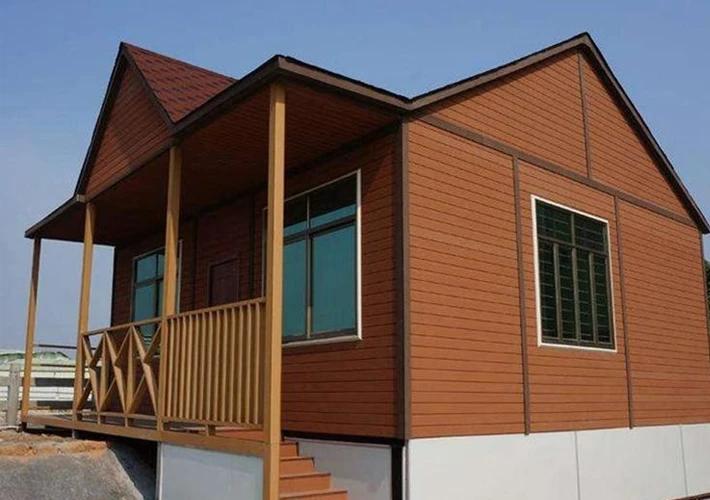
How to Inspect Composite Cladding for Structural and Installation Problems
Surface cleaning alone is not enough to maintain an exterior cladding system.
The supporting structure, fasteners, joints, and drainage components also require periodic inspection.
A composite cladding system is made up of several components, and its performance depends on the entire installation rather than the decorative panels alone.
5.1 Inspect Panel Connections and Fasteners
Check whether panels remain properly secured to the supporting structure.
Look for:
- Loose or missing screws.
- Damaged clips.
- Uneven panel alignment.
- Unusual gaps between boards.
- Movement or vibration during strong winds.
- Damaged supporting battens.
If fasteners are loose, repairs should follow the original installation specifications.
Do not simply add screws without checking the supporting structure and required expansion allowances.
5.2 Check Expansion Gaps
Composite materials may expand and contract as temperatures change.
For this reason, appropriate expansion gaps are essential during installation.
The required spacing depends on several factors:
- Product composition.
- Board dimensions.
- Installation temperature.
- Expected temperature range.
- Fixing method.
- Manufacturer specifications.
If expansion allowances are insufficient, panels may buckle, deform, or place excessive stress on fasteners.
During maintenance, inspect whether boards appear distorted or are pressing tightly against adjacent components.
Any correction should follow the manufacturer’s installation guidance.
5.3 Inspect Drainage and Ventilation
Many modern composite exterior wall systems use a ventilated cavity behind the cladding.
This cavity can help manage moisture and support airflow behind the decorative panels.
Check that:
- Ventilation openings remain unobstructed.
- Drainage paths are clear.
- Insect screens remain in place.
- Water is not trapped behind the cladding.
- Flashing around openings remains intact.
- The bottom of the system is properly detailed.
Never block drainage openings simply to prevent insects or dust from entering. Use suitable ventilation and insect-screen components designed for the system.
5.4 Inspect Areas Around Windows and Doors
Window and door openings are common locations for water-related problems.
Pay attention to:
- Flashing details.
- Sealant condition.
- Corner trims.
- Joint connections.
- Water stains below windows.
- Gaps around frames.
If water repeatedly enters the wall assembly, identify and repair the source rather than relying on surface cleaning.
5.5 When Should Damaged Composite Cladding Be Replaced?
Minor surface dirt can usually be removed through cleaning.
However, replacement may be necessary when panels show:
- Severe cracking.
- Significant deformation.
- Broken fixing sections.
- Structural damage.
- Persistent movement.
- Irreversible surface damage.
- Deterioration that affects the intended weather protection.
When replacing individual boards, use compatible products and accessories.
For projects involving visible exterior elevations, it is advisable to retain spare panels from the original production batch.
This can help maintain color and texture consistency during future repairs.
Special Maintenance Considerations for Different Composite Cladding Types
Not all composite exterior wall cladding products have identical structures or surface finishes.
Traditional WPC boards, co-extruded panels, and decorative composite profiles may require different maintenance approaches.
Understanding these differences is important for distributors and contractors selecting materials for different markets.
6.1 Traditional WPC Exterior Cladding
Traditional wood-plastic composite cladding generally contains wood fibers or wood flour combined with thermoplastic materials.
Its advantages may include:
- Wood-like appearance.
- Reduced dependence on natural timber.
- Resistance to many common outdoor moisture-related problems.
- Relatively simple routine cleaning.
- Multiple colors and surface textures.
Maintenance recommendations:
- Clean the surface regularly.
- Remove debris from grooves.
- Check the board surface for scratches.
- Inspect the fixing system.
- Keep drainage openings clear.
Traditional WPC products may show different levels of color change during initial outdoor exposure.
Buyers should ask suppliers for product-specific weathering information and any expected initial color stabilization characteristics.
6.2 Co-Extruded WPC Exterior Cladding
Co-extruded WPC cladding uses an additional protective outer layer applied during the manufacturing process.
This structure is designed to provide improved resistance to certain environmental factors.
Potential advantages include:
- Enhanced surface protection.
- Improved stain resistance.
- Better moisture resistance at the surface.
- Greater color stability, depending on the formulation.
- A wider selection of decorative finishes.
Although co-extruded cladding is generally easier to keep clean, it still requires periodic washing and inspection.
Maintenance recommendations:
- Use mild detergent and clean water.
- Avoid abrasive brushes.
- Do not use unapproved solvents.
- Check the surface for impact damage.
- Inspect board connections and accessories.
The protective cap should not be treated as an unlimited barrier against all forms of physical or chemical damage.
6.3 Decorative Composite Wall Panels
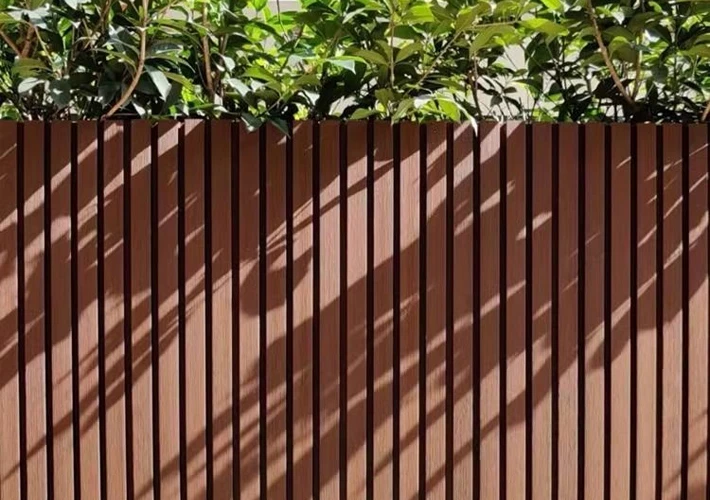
Some composite exterior wall panels feature deep grooves, fluted patterns, wood-grain textures, or other decorative profiles.
These designs can create an attractive architectural appearance, but recessed areas may collect more dust and debris.
Recommended maintenance:
- Use soft brushes for grooves.
- Clean from top to bottom.
- Avoid sharp tools.
- Rinse away detergent completely.
- Inspect decorative edges for damage.
For commercial façades with complex patterns, professional cleaning equipment may improve efficiency, provided that it is compatible with the surface material.
6.4 Choosing the Right Cleaning Method for Different Finishes
| Surface Finish | Suitable Cleaning Tool | Maintenance Priority |
|---|---|---|
| Smooth finish | Microfiber cloth | Avoid scratches |
| Wood-grain finish | Soft-bristle brush | Remove dirt from texture |
| Deep fluted finish | Soft detailing brush | Clean recessed grooves |
| Co-extruded finish | Soft sponge | Protect the outer layer |
| Matte finish | Microfiber cloth | Prevent residue and water marks |
The manufacturer’s cleaning recommendations should always take priority over general guidance.
Common Maintenance Mistakes to Avoid and Long-Term Care Tips
Even when composite exterior wall cladding is manufactured for outdoor use, incorrect maintenance can reduce its appearance and potentially affect its performance.
Avoiding common mistakes is one of the easiest ways to protect an exterior cladding investment.
7.1 Using Strong Chemicals Without Testing
Strong acids, concentrated alkaline cleaners, paint thinners, and industrial solvents may damage certain composite surfaces.
Never assume that a cleaning chemical suitable for concrete or metal is also suitable for composite cladding.
Always check product compatibility and test the cleaner in a small hidden area.
7.2 Using Excessive Water Pressure
High-pressure washing may appear to be an efficient cleaning method, but excessive pressure can damage some surface finishes or force water into joints.
Follow the pressure limits recommended by the product manufacturer.
When these specifications are unavailable, use a garden hose and soft cleaning tools instead.
7.3 Ignoring Drainage Problems
Water accumulation behind composite wall panels is not simply a cleaning issue.
It may indicate problems with flashing, drainage openings, ventilation, or installation details.
Persistent moisture should be investigated promptly.
7.4 Painting or Coating Without Manufacturer Approval
Many composite cladding products are designed to maintain their original factory finish without additional painting.
Applying an unsuitable coating may affect adhesion, appearance, or surface performance.
Before painting, staining, or applying a protective treatment, consult the manufacturer.
7.5 Neglecting Routine Inspections
Waiting until visible damage appears can increase repair costs.
A simple inspection schedule helps identify problems at an early stage.
For property managers, contractors, and commercial building operators, recording maintenance activities can also help with long-term facility management.
7.6 Buying Composite Cladding Without Checking Maintenance Requirements
For importers and distributors, product selection should include more than price, appearance, and dimensions.
Before placing a bulk order, evaluate:
- Product composition.
- Surface treatment.
- UV-resistance characteristics.
- Water absorption data.
- Mechanical performance.
- Available installation accessories.
- Recommended cleaning procedures.
- Warranty terms.
- Technical documentation.
A reliable supplier should be able to explain the product structure and provide practical maintenance recommendations.
7.7 Build a Long-Term Maintenance Plan
For large commercial projects, a maintenance plan can be divided into three stages.
Stage 1: Routine Cleaning
Remove dust, dirt, and organic debris at regular intervals.
Stage 2: Preventive Inspection
Check panel connections, fasteners, ventilation, drainage, and visible surface conditions.
Stage 3: Corrective Maintenance
Repair or replace damaged panels, address water leakage, and restore affected installation components.
This systematic approach can help reduce unexpected repair costs and maintain a consistent exterior appearance.
Conclusion: Maintain Composite Exterior Wall Cladding for Long-Term Value
Composite exterior wall cladding is a practical choice for modern building projects because it combines decorative flexibility with the benefits of engineered composite materials.
Compared with traditional timber siding, it generally requires less routine maintenance. However, regular cleaning, periodic inspection, proper drainage, and appropriate surface care remain essential.
The most effective maintenance strategy is straightforward:
- Clean the surface using water and mild detergent.
- Remove dust, leaves, and organic debris.
- Avoid abrasive tools and unapproved chemicals.
- Inspect fasteners, joints, and expansion gaps.
- Maintain proper drainage and ventilation.
- Select products with suitable weather-resistance specifications.
- Follow the manufacturer’s maintenance recommendations.
For building material importers, wholesalers, contractors, and distributors, choosing the right manufacturer is equally important.
Solidexwood is a China-based composite building materials supplier focused on outdoor composite solutions, including WPC decking, exterior wall cladding, and fencing products. We understand that international buyers need more than attractive designs. They also need consistent product quality, reliable manufacturing, practical technical information, and solutions suitable for different project environments.
Whether you are sourcing composite exterior wall cladding for residential developments, commercial façades, hospitality projects, or large-scale construction applications, Solidexwood can support your product selection and supply requirements.
Solidexwood – Your China Composite Building Materials Supplier.
Contact our team to discuss wholesale composite exterior wall cladding, product specifications, custom colors, surface finishes, samples, and bulk purchasing requirements.
Frequently Asked Questions About Composite Exterior Wall Cladding Maintenance
1. How often should composite exterior wall cladding be cleaned?
For most projects, cleaning every three to six months is a reasonable starting point. Buildings in coastal, industrial, or high-pollution environments may require more frequent cleaning. Always adjust the schedule according to actual environmental exposure.
2. Can I use a pressure washer on composite exterior cladding?
Some composite products can tolerate controlled pressure washing, but others may be damaged by excessive pressure. Check the manufacturer’s instructions before using a pressure washer. A garden hose and soft brush are generally safer options for routine cleaning.
3. Does composite exterior wall cladding develop mold?
Composite cladding is generally less susceptible to moisture-related problems than untreated timber, but surface mold or mildew can still develop when dirt and moisture accumulate. Regular cleaning, adequate ventilation, and effective drainage help reduce this risk.
4. Can composite wall cladding be cleaned with bleach?
Do not use bleach unless the manufacturer specifically approves it for the particular product. Concentrated bleach and other aggressive chemicals may affect the surface finish or color. Use a compatible exterior cleaner instead.
5. Does composite cladding fade in sunlight?
All exterior materials may experience some degree of color change over time. The extent depends on UV exposure, material formulation, pigments, stabilizers, and surface technology. Products with suitable UV protection and documented weathering performance are preferable for outdoor applications.
6. Is co-extruded WPC cladding easier to maintain?
Co-extruded WPC cladding generally has a protective outer layer designed to improve resistance to stains, moisture, and UV exposure. This can make routine cleaning easier than with some conventional WPC products. However, it still requires regular cleaning and inspection.
7. Can damaged composite exterior wall panels be repaired?
Minor dirt and surface contamination can usually be removed through cleaning. However, severely cracked, deformed, or structurally damaged panels may need replacement. Always use compatible replacement panels and follow the original installation specifications.
8. Does composite exterior wall cladding need painting?
Most composite exterior wall cladding products are designed to maintain their factory finish without regular painting or staining. Additional coatings should only be applied when approved by the manufacturer.
9. What is the biggest maintenance challenge for composite exterior cladding?
The biggest challenges are usually accumulated dirt, persistent moisture, organic growth, and problems related to poor installation or drainage. Routine cleaning and inspections can help prevent these issues from becoming more serious.
10. What should importers check before purchasing composite exterior wall cladding?
Importers should evaluate material composition, dimensions, surface finish, UV resistance, water absorption, mechanical properties, installation requirements, packaging, warranty conditions, and manufacturer technical support. Requesting product samples and technical documents before bulk purchasing is also recommended.