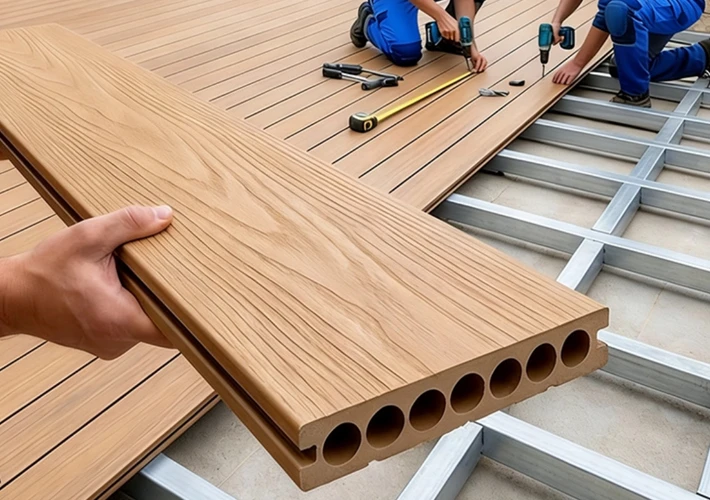
Grey composite decking has become a popular choice for residential, commercial, hospitality, and outdoor landscaping projects. Compared with traditional wood decking, composite decking offers a combination of modern appearance, durability, low maintenance, and consistent color. Among the available colors, grey has a particularly strong position because it can match contemporary architecture, natural landscapes, commercial buildings, pool areas, balconies, and outdoor entertainment spaces.
However, “grey composite decking” does not refer to only one color. Depending on the formulation, surface treatment, texture, lighting conditions, and design requirements, grey composite decking can range from very light silver-grey to deep charcoal. Some products have warm grey undertones, while others have cool blue-grey or brown-grey tones. These differences can significantly affect the appearance of an outdoor project.
For architects, contractors, importers, distributors, and project buyers, understanding the different shades of grey composite decking is important when selecting a product for a specific market or project.
Solidexwood is a China-based manufacturer specializing in composite decking, composite cladding, fencing, and outdoor building materials. By combining different colors, surface textures, profiles, and customization options, Solidexwood can provide grey composite decking solutions for distributors and commercial projects in different markets.
Why Is Grey Composite Decking So Popular?
Grey is one of the most versatile colors for outdoor decking. It sits between traditional wood tones and highly contemporary architectural colors, making it suitable for a wide range of exterior designs.
One important advantage of grey decking is its ability to create a modern appearance without looking excessively artificial. Natural timber often contains different brown, red, or golden tones. Grey composite decking takes a different approach, creating a more neutral visual effect that works particularly well with modern architecture.
Grey decking can also complement many other exterior materials, including:
- White or cream walls
- Black aluminum frames
- Glass railings
- Concrete
- Stone
- Brick
- Natural timber
- Metal structures
- Green landscaping
- Swimming pools
- Outdoor furniture
For B2B buyers, another advantage is market flexibility. A distributor may be able to sell grey composite decking to residential customers, hotels, restaurants, offices, public spaces, pool projects, and landscape contractors without needing completely different product lines.
The visual consistency of composite decking is another important factor. Natural wood can vary considerably from one board to another, while manufactured composite decking can be produced with controlled colors and textures. This is particularly useful for large commercial projects where a consistent appearance is required.
However, the exact appearance of grey decking depends on the specific shade selected. Understanding these variations is therefore essential.
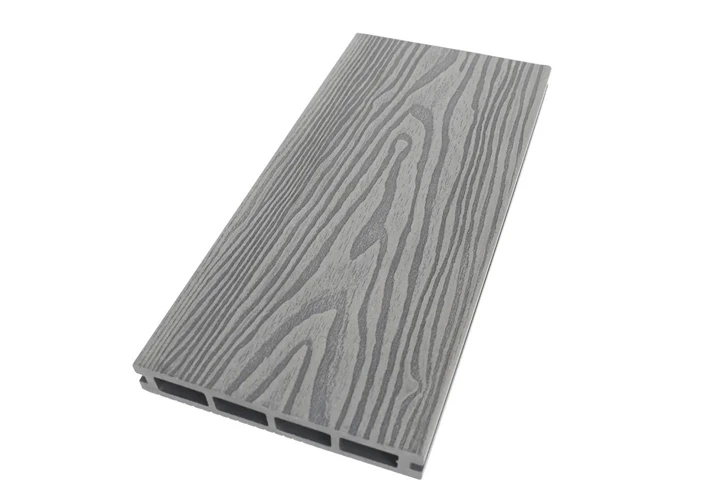
What Are the Main Shades of Grey Composite Decking?
Grey composite decking can generally be divided into several common color families. Manufacturers may use different names for similar colors, so buyers should always check physical samples and technical specifications instead of relying only on color names.
The most common shades include light grey, silver grey, medium grey, ash grey, warm grey, cool grey, and charcoal grey.
1. Light Grey Composite Decking
Light grey is one of the brightest options in the grey decking category.
It usually has a clean and contemporary appearance and can make an outdoor area look spacious and bright. Light grey decking is often selected for balconies, rooftop terraces, pool surroundings, modern gardens, and minimalist commercial spaces.
Light grey works particularly well with:
- White architecture
- Light-colored stone
- Glass
- Stainless steel
- Minimalist furniture
- Modern landscaping
For projects where the objective is to create a bright outdoor environment, light grey can be a practical option.
However, lighter colors may show dirt, dust, and stains more visibly than darker shades. This does not necessarily mean that light grey composite decking requires extensive maintenance, but regular cleaning may be more visually important.
2. Silver Grey Composite Decking
Silver grey is slightly deeper than some light grey products and often has a cooler, cleaner appearance.
It can create an architectural look that works particularly well with metal, glass, concrete, and contemporary building materials.
Silver grey decking is commonly suitable for:
- Hotel terraces
- Apartment balconies
- Commercial rooftops
- Pool decks
- Restaurant outdoor areas
- Modern residential gardens
One reason silver grey is attractive to designers is its neutral character. It does not strongly compete with surrounding architectural elements.
For commercial projects, this can be especially useful because the decking becomes part of the overall design rather than becoming the dominant visual feature.
3. Medium Grey Composite Decking
Medium grey is one of the most balanced options.
It is neither particularly light nor extremely dark, making it suitable for a wide variety of applications. For distributors, medium grey can also be a practical standard color because it can appeal to customers with different design preferences.
Medium grey composite decking can be paired with:
- Dark exterior walls
- White facades
- Wood-effect cladding
- Stone landscaping
- Green plants
- Outdoor sofas
- Pool structures
This versatility makes medium grey a common choice for residential and commercial decking systems.
For large projects, medium grey may also provide a good balance between visual appearance and everyday maintenance because dust and minor marks can be less noticeable than on very dark surfaces.
4. Ash Grey Composite Decking
Ash grey generally has a softer and more natural appearance.
Instead of looking strongly industrial, ash grey can be designed to resemble weathered timber. Depending on the surface texture and color variation, it can create an appearance similar to naturally aged wood.
This makes ash grey suitable for projects that want a modern material while retaining a natural outdoor atmosphere.
Potential applications include:
- Garden terraces
- Resort landscaping
- Hotel outdoor areas
- Restaurants
- Parks
- Residential patios
- Coastal properties
When combined with wood-grain embossing, ash grey composite decking can provide a convincing balance between natural texture and contemporary color.
5. Warm Grey Composite Decking
Not all grey is cool-toned. Some composite decking products contain subtle brown or beige undertones, creating what is commonly described as warm grey.
Warm grey is particularly useful when a project includes natural materials.
For example, a warm grey deck can work well with:
- Beige stone
- Brown wood
- Cream walls
- Sand-colored paving
- Warm outdoor lighting
- Natural landscaping
This shade is often suitable for hospitality projects where designers want a comfortable and welcoming atmosphere rather than an extremely minimalist appearance.
Warm grey can also be useful when transitioning between traditional architecture and contemporary outdoor materials.
6. Cool Grey Composite Decking
Cool grey typically contains subtle blue or neutral undertones.
It creates a more contemporary and architectural appearance than warm grey.
Cool grey can work particularly well with:
- Black metal
- Blue swimming pools
- Concrete
- Glass
- White walls
- Contemporary landscaping
For modern commercial buildings, cool grey decking can help create a clean visual connection between the building facade and outdoor space.
The final appearance will depend on lighting. Outdoor daylight can make cool grey appear brighter or slightly bluer, while evening lighting can change how the color is perceived.
7. Charcoal Grey Composite Decking
Charcoal grey is one of the darkest grey options.
It creates a strong contrast and is often selected for luxury residential properties, modern hotels, restaurants, rooftop spaces, and architectural landscaping.
Charcoal decking can provide a dramatic background for:
- Light-colored furniture
- Green plants
- White walls
- Swimming pools
- Glass railings
- Outdoor lighting
Because it is darker, charcoal grey can make a large outdoor space feel more visually defined.
However, dark colors can also absorb more solar radiation than lighter colors. For projects in regions with strong sunlight, buyers should evaluate the complete product specification, including formulation, surface technology, ventilation, installation structure, and expected surface temperature.
This is one reason professional project buyers should evaluate more than color alone.
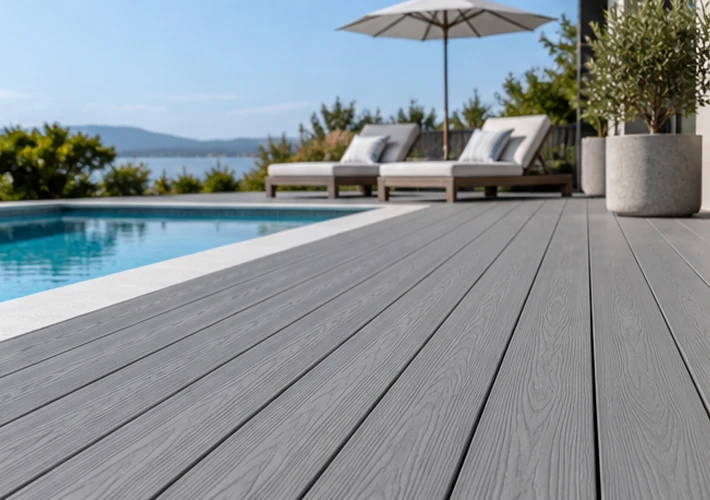
How Do Different Grey Shades Affect Outdoor Design?
The shade of grey can change the visual character of an outdoor space even when the decking material and profile are identical.
Light grey generally creates a brighter and more open appearance. Medium grey provides balance, while charcoal creates stronger contrast.
The surrounding architecture is also important.
For example, light grey decking can make a small balcony appear visually larger when paired with white walls. Medium grey can create a neutral transition between a building and landscaping. Charcoal grey can emphasize architectural lines and create a strong contrast with light-colored facades.
The surrounding environment should therefore be considered when selecting a color.
Grey Decking with White Buildings
Grey and white are a classic modern combination.
Light or medium grey decking can soften a white facade while maintaining a contemporary appearance.
Grey Decking with Black Frames
Charcoal and medium grey decking can work particularly well with black aluminum doors, windows, railings, and pergolas.
This combination is common in modern architectural projects.
Grey Decking with Green Landscaping
Grey provides a neutral background for plants and landscaping.
Green vegetation can appear more visually prominent against medium or dark grey decking, making this combination suitable for gardens, hotels, resorts, and outdoor restaurants.
Grey Decking Around Swimming Pools
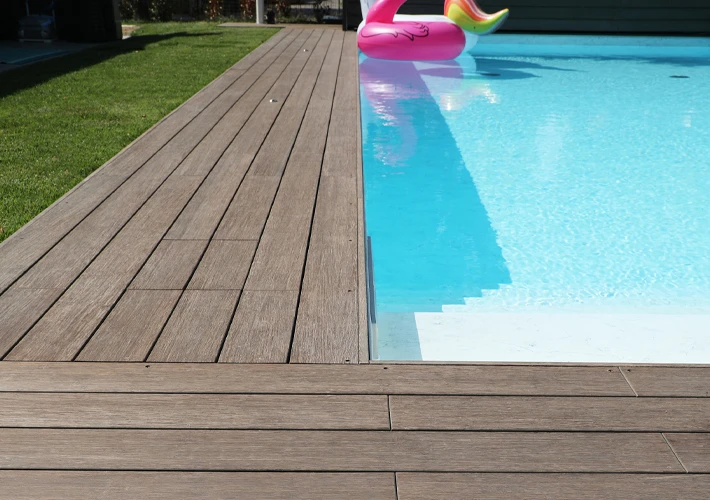
Grey is also popular around swimming pools because it can create a clean transition between the blue water and surrounding architecture.
Light grey can create a bright resort-like appearance, while darker grey can create a more luxurious visual effect.
Does Composite Decking Color Change Over Time?
Color stability is an important consideration when purchasing composite decking.
All outdoor materials are exposed to environmental conditions such as:
- UV radiation
- Rain
- Temperature changes
- Humidity
- Dust
- Pollution
- Snow
- Daily foot traffic
The extent of color change depends on the material formulation, pigments, additives, surface technology, manufacturing process, and local environmental conditions.
A high-quality composite decking product should be designed with outdoor exposure in mind.
However, buyers should distinguish between normal weathering and significant color degradation. A small change in appearance during the initial outdoor exposure period may occur in some composite materials, while excessive fading may indicate that the product is not suitable for the intended environment.
For B2B buyers, it is therefore useful to request technical information and physical samples before placing a large order.
At Solidexwood, color selection can be evaluated through product samples before production. This helps importers, distributors, architects, and contractors confirm the actual appearance of the decking under their target lighting and project conditions.
How Should You Choose the Right Grey Composite Decking?
Choosing the right grey shade should not be based only on personal preference. For commercial and wholesale projects, several factors should be considered.
Consider the Building Style
Modern buildings generally work well with cool grey, silver grey, and charcoal.
Projects with natural or traditional architecture may benefit from warm grey or ash grey.
Consider the Climate
In regions with intense sunlight, buyers should evaluate the complete decking specification rather than selecting a color based only on appearance.
Dark colors may become hotter under direct sunlight than lighter colors. The product structure, ventilation, installation method, and local climate can all influence actual surface temperature.
Consider Maintenance Expectations
Light colors may show dust more clearly, while dark colors may make some light-colored debris more visible.
Medium grey can provide a balanced visual appearance for projects where maintenance efficiency is important.
Consider the Surrounding Materials
Always compare the decking sample with the actual wall, facade, railing, furniture, paving, and landscaping materials.
A grey color that looks ideal on a computer screen may appear different beside a specific stone or wall finish.
Consider the Target Market
For distributors, it can be useful to select a product portfolio containing several grey shades instead of relying on only one.
For example, a product range could include:
| Grey Shade | Typical Character | Potential Applications |
|---|---|---|
| Light Grey | Bright and clean | Balconies, terraces, pools |
| Silver Grey | Modern and neutral | Hotels, commercial spaces |
| Medium Grey | Versatile | Residential and commercial projects |
| Ash Grey | Natural and soft | Gardens, resorts, patios |
| Warm Grey | Natural and welcoming | Hospitality, landscaping |
| Cool Grey | Contemporary | Modern architecture |
| Charcoal Grey | Strong and dramatic | Luxury and commercial projects |
The exact color names and formulations can vary between manufacturers, so physical samples should always be used for final approval.
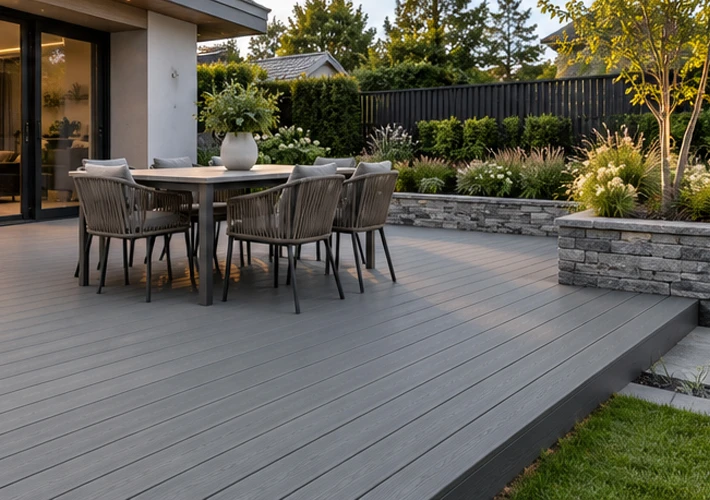
What Should B2B Buyers Check When Purchasing Grey Composite Decking?
For importers and distributors, color is only one part of the purchasing decision.
A reliable composite decking supplier should be able to provide information about the product structure, dimensions, surface treatment, installation system, packaging, loading capacity, production lead time, and quality control.
Important purchasing questions include:
What is the decking material composition?
Ask about the main polymer and wood-fiber or mineral components, as well as the formulation used for outdoor applications.
What profiles are available?
Different markets may require different board dimensions, thicknesses, surface textures, groove systems, and installation structures.
Is the color available for OEM production?
For distributors with their own brands, custom colors can help create product differentiation.
Can the supplier provide samples?
A physical sample is important because digital images cannot perfectly reproduce outdoor colors.
What is the MOQ?
Minimum order quantity should match the buyer’s distribution strategy and container loading requirements.
How is the product packaged?
Good packaging helps protect the boards during transportation and reduces the risk of damage before installation.
What quality control is performed?
Professional suppliers should have production and inspection procedures covering dimensions, appearance, surface quality, color consistency, and other relevant specifications.
Can the supplier support customized projects?
Commercial projects may require customized colors, lengths, profiles, embossing, packaging, or branding.
These questions can help B2B buyers evaluate suppliers beyond the product’s appearance.
Why Choose Solidexwood for Grey Composite Decking?
Solidexwood is a China-based manufacturer specializing in composite outdoor building materials.
Our product portfolio covers composite decking, composite cladding, fencing, and other outdoor solutions for international markets. As a factory supplier, Solidexwood works with importers, wholesalers, distributors, contractors, architects, and project buyers.
Grey composite decking is available in different visual directions to meet different project requirements, from light and silver grey to medium, warm, ash, cool, and darker charcoal-style finishes.
One advantage of working directly with a manufacturer is the ability to discuss product specifications and customization requirements before production.
Depending on the project, buyers can discuss:
- Decking color
- Surface texture
- Board profile
- Dimensions
- Groove configuration
- Length
- Packaging
- Private labeling
- OEM requirements
- Project quantities
- Container loading
- Product development
For distributors, customized colors and packaging can also support local market positioning.
Solidexwood also focuses on the development of outdoor composite products for markets where UV exposure, weather conditions, moisture, and long-term outdoor performance are important considerations.
For projects that require a particular grey tone, we recommend starting with physical samples rather than selecting a color solely from a website image. This allows the buyer to compare the decking with the actual facade, landscaping, furniture, paving, and lighting conditions.
Frequently Asked Questions About Grey Composite Decking
What is the most popular shade of grey composite decking?
There is no single grey shade that is suitable for every market. Medium grey is highly versatile, while light grey, ash grey, and charcoal grey can serve different architectural and landscaping preferences.
For distributors, offering several grey shades may be more practical than relying on one color.
Is light grey composite decking better than dark grey?
The choice depends on the project. Light grey creates a brighter appearance, while dark grey provides stronger contrast. Climate, architecture, landscaping, maintenance expectations, and design requirements should all be considered.
Does grey composite decking look like real wood?
It can. The final appearance depends on the surface texture, embossing, color variation, and manufacturing process. Ash grey and warm grey products with realistic wood-grain textures can create a natural timber-inspired appearance.
Is charcoal grey composite decking hotter?
Dark colors can absorb more solar radiation than light colors under direct sunlight. Actual surface temperature also depends on the material formulation, board structure, ventilation, installation method, climate, and exposure conditions. For hot climates, buyers should evaluate the complete product specification rather than color alone.
Can grey composite decking be customized?
Many manufacturers can offer customized colors, profiles, dimensions, surface textures, and packaging depending on production capabilities and order quantity. B2B buyers should discuss OEM requirements with the factory before ordering.
How can I select the exact grey color?
Request physical samples from the supplier. Compare the samples with the project’s exterior walls, paving, furniture, landscaping, and lighting before confirming the final production color.
Is grey composite decking suitable for commercial projects?
Yes. Grey composite decking can be used for hotels, resorts, restaurants, offices, apartment buildings, balconies, rooftop terraces, pool areas, public landscaping, and other commercial environments, provided the selected product meets the project’s technical requirements.
Can Solidexwood provide samples?
Yes. B2B buyers can contact Solidexwood to discuss sample requirements, available colors, product specifications, and project quantities before making a bulk purchase.
Final Thoughts
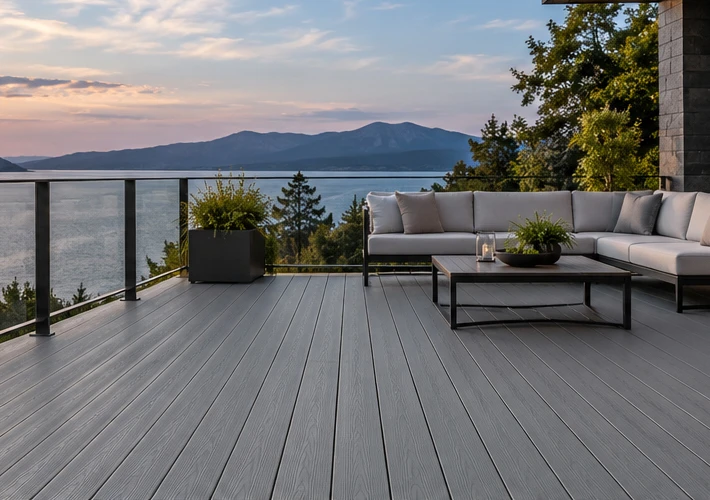
Grey composite decking is not limited to a single standard color. Light grey, silver grey, medium grey, ash grey, warm grey, cool grey, and charcoal grey can create significantly different visual effects.
Light grey tends to create a bright and spacious appearance. Silver and medium grey offer a clean and versatile architectural look. Ash and warm grey can provide a more natural atmosphere, while cool and charcoal grey are often suitable for stronger contemporary designs.
For B2B buyers, choosing the right grey composite decking requires more than comparing color names. Product formulation, UV resistance, surface technology, dimensions, profile design, installation requirements, quality control, packaging, MOQ, and customization capabilities should all be considered.
For importers, wholesalers, contractors, architects, and distributors looking for a China factory supplier, Solidexwood provides composite decking solutions with options for different colors, profiles, surface textures, and OEM requirements.
Need grey composite decking samples or a customized color for your project? Contact Solidexwood to discuss product specifications, samples, OEM options, and wholesale requirements.