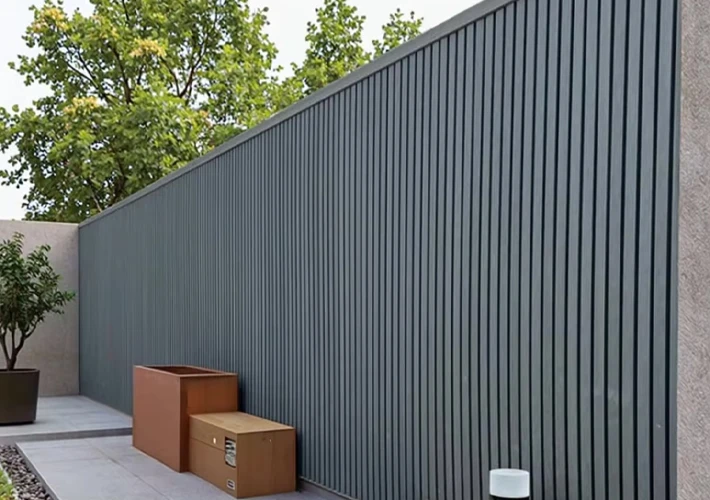
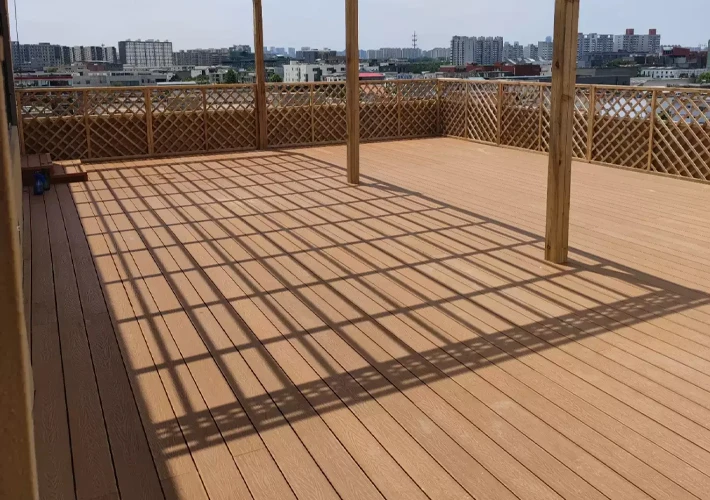
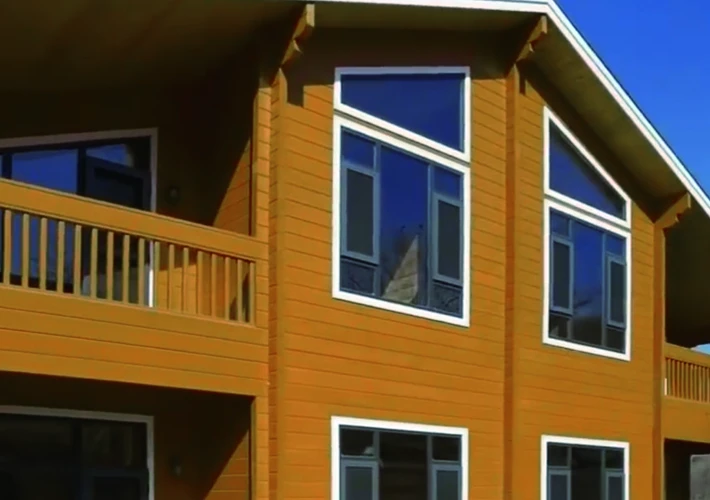
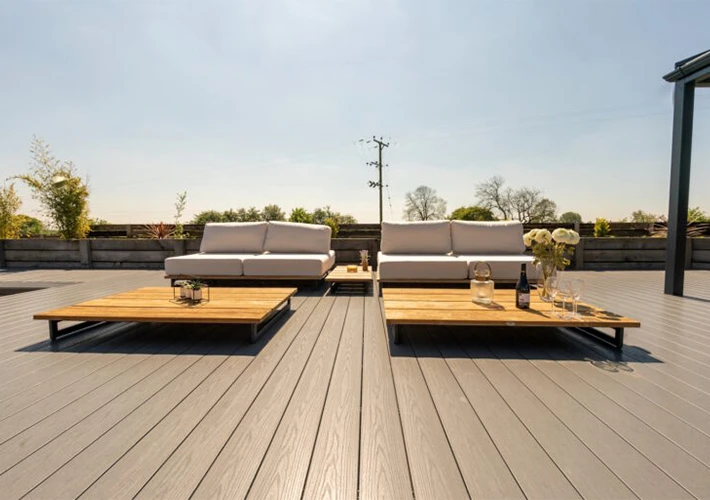
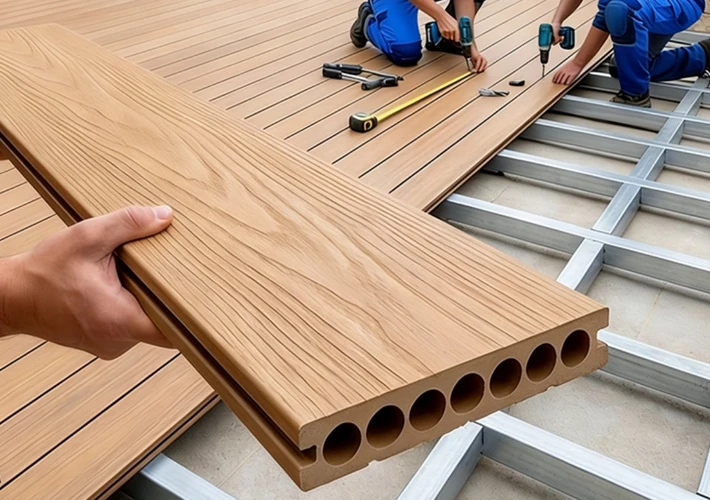
The global demand for durable, attractive, and low-maintenance exterior building materials continues to grow. Architects, construction contractors, property developers, building material importers, and distributors are increasingly looking for alternatives to traditional timber, metal, and conventional plastic cladding. Among the available options, ASA exterior wall panels have become an attractive solution because of their weather resistance, UV protection, color stability, and wood-like decorative appearance.
China has become an important sourcing destination for ASA exterior wall panels and co-extruded WPC cladding. Chinese manufacturers offer different panel structures, surface finishes, production capabilities, customization options, and export services. For overseas buyers, however, identifying a suitable factory is not simply about comparing prices. Product consistency, ASA surface quality, composite core formulation, manufacturing experience, production capacity, and technical support all influence the long-term value of a purchasing decision.
This article introduces five Chinese suppliers worth evaluating when sourcing ASA exterior wall panels. Solidexwood is featured first as a China-based composite building material manufacturer, followed by four other suppliers with publicly listed ASA exterior wall panel products or related manufacturing capabilities.
Whether you are importing ASA wall cladding for wholesale distribution, purchasing materials for a commercial building project, or developing a private-label outdoor product range, this guide will help you understand the market and identify the right manufacturing partner.
Solidexwood – A China Factory Supplier of Advanced ASA Exterior Wall Panels
Solidexwood takes the first position in this list as a China factory brand specializing in composite outdoor building materials. Its product development focuses on improving the performance, appearance, and practical value of traditional WPC products, particularly for exterior applications where sunlight, rain, temperature changes, and long-term outdoor exposure create demanding conditions.
For international distributors, wholesalers, building contractors, and project procurement companies, Solidexwood offers an opportunity to source ASA exterior wall panels directly from a Chinese manufacturing supplier rather than relying exclusively on local trading intermediaries.
Company and Manufacturing Background
Solidexwood focuses on composite outdoor materials, including composite decking, exterior wall cladding, fencing, and ASA product series. Its manufacturing approach combines composite material processing with exterior surface technology to create products suitable for residential, commercial, and landscape applications.
As an outdoor building material supplier, Solidexwood understands that exterior wall panels must meet several requirements simultaneously:
- Stable performance under prolonged sunlight exposure.
- Resistance to moisture and changing outdoor weather conditions.
- Good dimensional stability during temperature fluctuations.
- Decorative surface finishes suitable for modern architectural styles.
- Practical installation structures for contractors and installers.
- Consistent product specifications for wholesale and project orders.
Rather than treating ASA panels as ordinary decorative boards, Solidexwood focuses on the relationship between surface protection, composite core performance, profile design, and the overall application environment.
For B2B customers, this integrated approach is important because exterior cladding is a building material that must perform over an extended service period.
Third-Generation ASA Exterior Wall Panel Technology
One of the key product directions of Solidexwood is its third-generation ASA outdoor series.
ASA stands for Acrylonitrile Styrene Acrylate, a weather-resistant thermoplastic material commonly used in exterior applications. It is valued for its resistance to ultraviolet radiation, weathering, and outdoor environmental exposure.
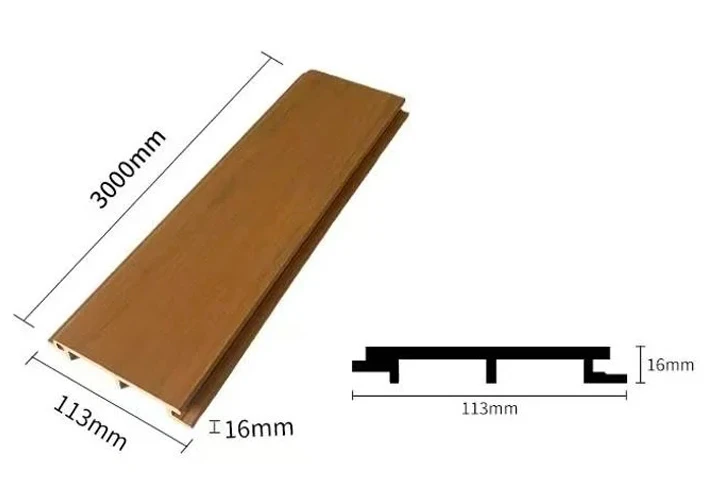
In an ASA co-extruded WPC wall panel, the ASA surface layer provides exterior protection, while the composite core provides the panel’s structural body and profile characteristics.
The combination is designed to address several limitations associated with conventional outdoor WPC materials.
Key advantages of Solidexwood ASA exterior wall panels include:
1. Enhanced UV and Weather Resistance
Outdoor wall cladding is continuously exposed to sunlight. Over time, conventional surface materials may experience discoloration, fading, or deterioration.
ASA surface technology is designed to improve resistance to UV-related aging and help maintain a more stable exterior appearance. This makes ASA wall panels particularly attractive for buildings in regions with strong sunlight, including Australia, the Middle East, Southeast Asia, and parts of South America.
2. Improved Color Stability
Color consistency is an important consideration for exterior architectural materials. When a building uses large quantities of cladding, visible differences between individual panels can negatively affect the overall appearance.
Solidexwood’s ASA product direction emphasizes improved color retention and surface durability, helping buyers source exterior materials that maintain their decorative appearance over time.
3. Cooler Surface Performance for Outdoor Applications
Heat absorption is another consideration in outdoor building material selection.
For projects in hot climates, the choice of surface color, material formulation, panel structure, and installation design can influence the temperature of exposed surfaces.
Solidexwood’s third-generation outdoor product development also considers cooler surface performance. Buyers targeting poolside environments, sunny terraces, and outdoor leisure areas should request comparative surface-temperature testing under the expected project conditions.
4. Durable Composite Core
The composite core provides the panel body and contributes to dimensional stability, impact performance, and overall structural characteristics.
A suitable core formulation is important because an attractive ASA surface alone cannot guarantee the performance of the complete panel.
For this reason, professional buyers should evaluate both the ASA protective layer and the composite substrate when comparing manufacturers.
5. Customizable Profiles and Surface Designs
Different markets have different architectural preferences. Some customers prefer traditional wood-grain textures, while others look for modern linear grooves, wide slats, or minimalist exterior surfaces.
Solidexwood supports customized outdoor product development, including profile and slotting requirements. This provides opportunities for distributors and project contractors to develop product ranges that match local market preferences.
OEM, ODM, and Product Development Support
For distributors and importers, product differentiation can be an important competitive advantage.
Selling exactly the same exterior cladding profile as multiple competing suppliers may make it difficult to maintain attractive margins. Customized dimensions, colors, textures, and packaging can help establish a more recognizable product range.
Solidexwood’s product development approach supports discussions around:
- Customized ASA wall panel profiles.
- Different surface textures and wood-grain appearances.
- Product dimensions and length requirements.
- Customized slotting and profile structures.
- New outdoor product development.
- Bulk production planning and container loading.
- Technical information for distributors and project buyers.
For new product development, Solidexwood can discuss an initial development cycle of approximately 7–14 days, depending on the product design, tooling requirements, and technical complexity. Buyers should confirm the actual development schedule for each project before placing an order.
Who Should Consider Solidexwood?
Solidexwood is particularly relevant to the following B2B customers:
- Building material importers looking for Chinese ASA wall panel suppliers.
- Wholesale distributors expanding their exterior cladding product categories.
- Composite decking companies adding ASA wall panels to their portfolios.
- Construction contractors sourcing outdoor decorative materials.
- Property developers purchasing exterior materials for residential and commercial projects.
- Private-label brands looking for customized composite building products.
For buyers interested in sourcing ASA exterior wall panels alongside composite decking, cladding, and fencing, working with a supplier offering a broader outdoor product range may also simplify product coordination and procurement.
Solidexwood’s positioning: A China factory brand focused on third-generation ASA outdoor materials, customized composite profiles, and B2B supply cooperation.
Website: Solidexwood – Chinese Composite Outdoor Building Materials Supplier.
Why Choose a Factory Supplier Like Solidexwood?
Buying directly from a manufacturer can offer several practical advantages.
First, communication about product specifications is more direct. Instead of relying on an intermediary to transfer technical requirements, buyers can discuss profile dimensions, surface finishes, and production details with the supplier.
Second, factory cooperation may provide greater flexibility for customization. This is especially valuable when developing private-label products or supplying projects with non-standard specifications.
Third, direct factory sourcing can make it easier to coordinate production schedules, samples, quality inspections, and shipping arrangements.
For overseas buyers, these advantages can contribute to more predictable procurement and stronger long-term supply relationships.
EvokeWPC – ASA Co-Extrusion WPC Exterior Wall Cladding
EvokeWPC is another Chinese supplier worth considering when evaluating ASA exterior wall panels. The company operates under Shandong Yulin New Decoration Materials Co., Ltd. and offers composite exterior wall cladding products for residential and commercial applications.
Its ASA co-extrusion product range is relevant to buyers looking for wood-plastic composite wall panels with an additional weather-resistant exterior layer.
Company Background and Product Range
EvokeWPC identifies itself as a manufacturer of WPC and ASA co-extruded outdoor building materials. Its published product information highlights exterior cladding applications, composite decking, and related outdoor materials.
The company’s product information also identifies its manufacturing base in Fei County, Linyi City, Shandong Province, China.
For overseas buyers, a supplier with experience in composite outdoor products can be worth evaluating because ASA wall panels require an understanding of both polymer surface materials and composite extrusion processes.
Main Features of EvokeWPC ASA Wall Panels
EvokeWPC’s ASA exterior wall panel range focuses on several performance characteristics.
Weather Resistance: ASA co-extrusion technology is intended to improve the panel’s ability to withstand outdoor environmental exposure, including sunlight, rain, and changing temperatures.
Impact Resistance: The composite structure is designed to withstand normal outdoor use and mechanical stresses. Actual performance depends on the panel thickness, profile geometry, and core formulation.
Dimensional Stability: Exterior cladding needs to accommodate temperature-related expansion and contraction. The panel structure and installation system should therefore be evaluated together.
Low-Maintenance Performance: Compared with traditional timber cladding, composite ASA products can reduce the need for regular painting and surface treatment.
Decorative Applications: Different profiles and textures can be used to create contemporary exterior facades, garden structures, and architectural feature walls.
EvokeWPC also describes hidden-fastener installation options for certain product profiles. These systems can help create a cleaner appearance by reducing visible fixing points.
Typical Applications
ASA exterior wall panels from this product category may be considered for:
- Residential exterior walls.
- Villa and townhouse facades.
- Commercial building feature walls.
- Garden rooms and outdoor structures.
- Balcony privacy screens.
- Pergola wall applications.
- Landscape and boundary wall decoration.
The company publishes information about its export markets and product warranties. Buyers should request the applicable product specification and written warranty terms for the exact model being considered.
Why Consider EvokeWPC?
EvokeWPC is worth comparing for buyers who prioritize ASA co-extrusion technology and a supplier focused on composite outdoor materials.
When requesting a quotation, buyers should confirm the ASA layer thickness, composite core composition, available colors, profile dimensions, installation accessories, and test documentation.
These details are more useful for evaluating long-term product value than relying on general claims such as waterproof or weather-resistant.
Supplier positioning: A Shandong-based WPC and ASA exterior cladding supplier with composite outdoor product experience.
Anhui Avid New Materials – ASA Outdoor Wall Panel and Composite Product Manufacturer
Anhui Avid New Materials Co., Ltd. is another supplier that overseas buyers may consider when sourcing ASA exterior wall panels from China.
The company lists ASA wall cladding, WPC decking, composite fencing, and other outdoor building materials within its product portfolio.
Its published supplier information identifies Xuancheng, Anhui, China, as its location and describes its business as a manufacturer/factory and trading company.
Company Background
Anhui Avid New Materials focuses on wood-plastic composite and related outdoor products. Its portfolio includes different categories of exterior materials, allowing buyers to compare multiple product types through one supplier.
According to its published company information, Avid has more than ten years of outdoor material industry experience and operates multiple production lines.
For B2B procurement, manufacturing scale is only one part of supplier evaluation. Buyers should also understand which production processes are managed in-house, how quality is controlled, and whether the supplier has experience with the specific ASA panel model required.
Main Features of Avid ASA Exterior Wall Panels
Avid’s ASA product listings highlight the following characteristics:
UV Resistance: The ASA surface layer is intended to provide improved resistance to sunlight exposure and help reduce fading during outdoor use.
Weather Protection: ASA co-extruded composite panels are designed for exterior applications where rain, moisture, and temperature variations are common.
Impact Resistance: The composite structure is intended to provide mechanical strength for everyday outdoor use.
Customized Colors: Avid lists color customization options, which can be important for distributors developing their own product ranges.
Easy Installation: Certain panel designs are developed for simplified installation, helping reduce the complexity of exterior cladding projects.
Production and Customization Capabilities
Avid’s published company profile highlights investment in production lines, tooling, and product development.
It also describes production arrangements intended to support larger orders and customized product requirements.
For overseas buyers, these capabilities may be relevant when evaluating suppliers for:
- Regular wholesale orders.
- Customized outdoor wall cladding.
- Private-label product development.
- Multi-container procurement.
- Long-term distributor cooperation.
However, production capacity should always be confirmed for the exact product category. A company’s total WPC output does not automatically represent its available ASA exterior wall panel capacity.
What Buyers Should Confirm
Before purchasing from Avid, importers should request detailed information about:
- ASA surface layer composition and thickness.
- Composite core material and density.
- Panel dimensions and profile drawings.
- Color options and available surface textures.
- UV and weather-aging test reports.
- Fire-performance documentation, where required.
- Minimum order quantities and production lead times.
- Packaging and container loading information.
These details help determine whether a supplier can meet the requirements of a particular market or construction project.
Supplier positioning: An Anhui-based composite outdoor material manufacturer offering ASA wall cladding and related WPC products.
Shandong Wanglu New Material – ASA WPC Exterior Wall Panel Supplier
Shandong Wanglu New Material Co., Ltd. is another Chinese company to include in an ASA exterior wall panel sourcing shortlist.
The company is located in Linyi City, Shandong Province, China, and its published product information covers ASA wall panels, WPC cladding, bamboo charcoal panels, PVC marble panels, and other decorative building materials.
For buyers interested in sourcing multiple wall material categories from China, Wanglu may be worth evaluating.
Company and Manufacturing Background
Wanglu’s published company profile states that it was established in 2006 and focuses on several types of decorative and composite building materials.
Its product portfolio includes:
- ASA outdoor wall panels.
- WPC exterior cladding.
- Interior WPC wall panels.
- Bamboo charcoal panels.
- PVC marble panels.
- Composite decking and related materials.
The company also describes its manufacturing facilities and production equipment in its supplier profile.
For B2B buyers, this wider product range may be useful when developing a combined purchasing plan for interior and exterior decorative materials.
ASA Exterior Wall Panel Product Features
Wanglu’s ASA WPC wall panel listings identify ASA and WPC as the main material categories.
Its published product specifications include different profile dimensions, surface treatments, and customization options.
Commonly promoted features of this product category include:
Water Resistance: The composite structure is designed for outdoor applications where exposure to moisture is expected. Buyers should still verify water absorption and installation details.
UV Protection: The ASA co-extruded surface is designed to improve outdoor weatherability and protect the decorative finish.
Decorative Embossing: Different surface treatments, such as sanding, embossing, and brushing, can provide alternatives to traditional timber appearances.
Customized Lengths: Certain product listings indicate that different panel lengths can be discussed according to project requirements.
Exterior Application: The panels are intended for outdoor wall cladding and architectural decoration.
Potential Applications
Wanglu’s ASA WPC exterior wall panels may be considered for:
- Residential facade decoration.
- Commercial exterior walls.
- Hotel and resort buildings.
- Garden walls.
- Outdoor feature walls.
- Villa exterior renovation.
- Landscape structures.
When purchasing panels for a large project, it is important to request samples from the actual production batch or confirm that the approved sample matches the mass-production specification.
Why Consider Wanglu?
Wanglu may be relevant for buyers who want to compare ASA exterior panels with other decorative wall materials from a Shandong-based supplier.
Its broad product portfolio could be useful for importers who source both interior and exterior wall decoration products.
Nevertheless, buyers should evaluate the ASA wall panel production process separately rather than assuming that experience in PVC marble panels or interior WPC products automatically demonstrates the same level of ASA co-extrusion expertise.
Supplier positioning: A Shandong-based building material supplier with ASA WPC exterior wall panels and a wider decorative materials portfolio.
Necowood – ASA Exterior and Outdoor Building Material Supplier
Necowood is another Chinese supplier that international buyers can include in their research when comparing ASA exterior products.
The company’s published website presents ASA exterior materials as part of its outdoor building material range, with an emphasis on weather resistance, UV protection, and low-maintenance performance.
Company Background
Necowood states that it was established in 2009 and specializes in outdoor and exterior building materials.
Its ASA exterior product category is positioned for applications such as facade decoration and exterior cladding.
The company also describes its export experience and international customer base, including markets in North America and Europe.
For overseas distributors, an established export-oriented supplier may be useful when evaluating communication, product documentation, and international order coordination.
Main Advantages of Necowood ASA Exterior Products
UV Resistance: ASA exterior materials are designed to withstand outdoor sunlight exposure and maintain their surface appearance.
Weather Durability: The products are intended for exterior environments where changing weather conditions can affect conventional decorative materials.
Reduced Maintenance: Compared with natural wood, composite exterior products generally require less frequent surface treatment.
Decorative Flexibility: Different exterior profiles and finishes can help meet the appearance requirements of modern residential and commercial architecture.
Export-Oriented Supply: The company’s published information highlights its experience supplying international markets.
Applications
Necowood’s ASA exterior product range can be considered for:
- Exterior facade cladding.
- Residential building decoration.
- Commercial building exteriors.
- Outdoor architectural feature walls.
- Contemporary exterior renovation.
- Decorative outdoor structures.
Why Consider Necowood?
Necowood is a potential option for buyers seeking a supplier with a dedicated ASA exterior product category and experience in export-oriented building materials.
Before making a purchasing decision, importers should compare its technical specifications with those of other suppliers, especially regarding ASA layer thickness, core composition, UV test results, and installation requirements.
Supplier positioning: A Chinese outdoor material supplier offering ASA exterior products for international markets.
How to Choose the Right ASA Exterior Wall Panel Manufacturer in China
Identifying manufacturers is only the first step in the sourcing process. The more important question is whether a supplier can consistently deliver products that match your market requirements.
ASA exterior wall panels may look similar in product photographs, but differences in raw materials, co-extrusion technology, panel structure, and quality control can affect their actual performance.
The following factors should be considered before selecting a Chinese ASA wall panel manufacturer.
1. Check the ASA Surface Layer
The ASA layer is one of the most important components of an ASA co-extruded exterior wall panel.
It provides the exposed surface and is designed to protect the composite substrate against outdoor environmental exposure.
When comparing suppliers, ask for:
- ASA material specifications.
- ASA layer thickness.
- Surface uniformity.
- Color consistency.
- UV resistance test results.
- Weather-aging test documentation.
A thicker ASA layer is not automatically better in every situation. The material formulation, adhesion between layers, extrusion process, and overall product construction also influence performance.
A professional supplier should be able to explain the relationship between the surface layer and the composite core.
2. Evaluate the Composite Core
The core is responsible for the main body of the panel.
Different manufacturers may use different combinations of wood fiber, plastic, additives, and processing methods.
Core composition can affect:
- Panel density.
- Impact resistance.
- Dimensional stability.
- Moisture behavior.
- Thermal expansion.
- Mechanical strength.
- Overall product weight.
Buyers should request a technical data sheet showing the material composition and key physical properties.
It is also useful to ask whether the manufacturer uses a consistent formulation for regular production orders.
For large wholesale purchases, material consistency is particularly important because variations between batches may cause differences in panel weight, surface appearance, or installation performance.
3. Compare Weather and UV Resistance
Exterior cladding must perform under different climatic conditions.
A product designed for a mild European climate may need additional evaluation before being used in a tropical or desert environment.
For example:
- Australia: Strong sunlight and high outdoor temperatures in many regions.
- Middle East: High temperatures, intense sunlight, and occasional sand exposure.
- Southeast Asia: High humidity, heavy rainfall, and strong UV radiation.
- South America: Significant climatic differences between coastal, tropical, and high-altitude areas.
- North America: Seasonal temperature changes, freezing conditions, and varying humidity.
When comparing ASA exterior wall panels, request relevant UV aging, weathering, impact, and dimensional stability test reports.
If the panels are intended for a specific project, the test conditions should be as close as reasonably possible to the expected installation environment.
4. Review Product Dimensions and Profile Designs
Panel dimensions influence installation efficiency, material consumption, transportation, and project costs.
Different exterior wall panel designs may include:
- Flat exterior cladding panels.
- Grooved ASA wall panels.
- Fluted exterior wall panels.
- Wood-grain decorative panels.
- Wide-profile cladding boards.
- Customized architectural profiles.
Buyers should request dimension drawings rather than relying exclusively on product photographs.
A technical drawing should ideally include panel width, thickness, usable coverage width, cross-sectional structure, weight per meter, and connection details.
Usable coverage width is particularly important when calculating the quantity of material required for a building facade.
5. Check Customization and OEM/ODM Capabilities
Customization can help importers establish differentiated product ranges.
For example, distributors may require a specific wood-grain appearance, a particular color, or a profile designed for local installation systems.
A manufacturer with suitable customization capabilities may support:
- Private-label packaging.
- Custom colors.
- Customized panel lengths.
- New profile designs.
- Surface texture development.
- Customized slotting.
- Special production arrangements.
However, customization may involve additional tooling costs, sample approval procedures, and minimum order quantities.
Always request a clear quotation that separates product pricing, tooling costs, packaging, and any additional development charges.
6. Assess Production Capacity and Quality Control
A supplier may offer an attractive price but struggle to maintain consistent quality during large-volume orders.
Before placing a substantial order, buyers should understand the manufacturer’s actual production capabilities.
Important questions include:
- Does the supplier operate its own production facilities?
- Which production processes are completed in-house?
- How many ASA extrusion lines are available?
- What is the monthly production capacity for the selected model?
- How are incoming raw materials inspected?
- Are production samples retained?
- How are finished panels inspected before shipment?
- Can the factory support third-party inspection?
Do not evaluate production capacity based only on a company’s total output across all product categories.
Ask for the capacity of the exact ASA wall panel profile you intend to purchase.
7. Compare Packaging, Shipping, and Export Support
Long exterior wall panels require appropriate packaging and loading arrangements.
Poor packaging can result in surface scratches, broken edges, deformation, or other damage during international transportation.
For container orders, confirm:
- Panel length and bundle dimensions.
- Protective film requirements.
- Corner and edge protection.
- Pallet or bundle packaging.
- Container loading quantity.
- Gross and net weight.
- Shipping marks and labels.
- Loading photographs.
- Export documentation.
A supplier experienced in international B2B trade should be able to communicate clearly about production schedules, packaging, shipping documents, and delivery arrangements.
8. Request Samples Before Confirming Bulk Orders
Samples allow buyers to examine the product beyond what photographs can show.
When requesting ASA exterior wall panel samples, check:
- Surface texture and visual quality.
- Color consistency.
- Edge finish.
- Panel thickness.
- Overall rigidity.
- Cross-sectional structure.
- Connection and installation details.
- Surface scratches and visible defects.
For distributors, samples can also be used for showroom displays, product testing, and customer presentations.
A reliable sourcing process should include sample approval before mass production.
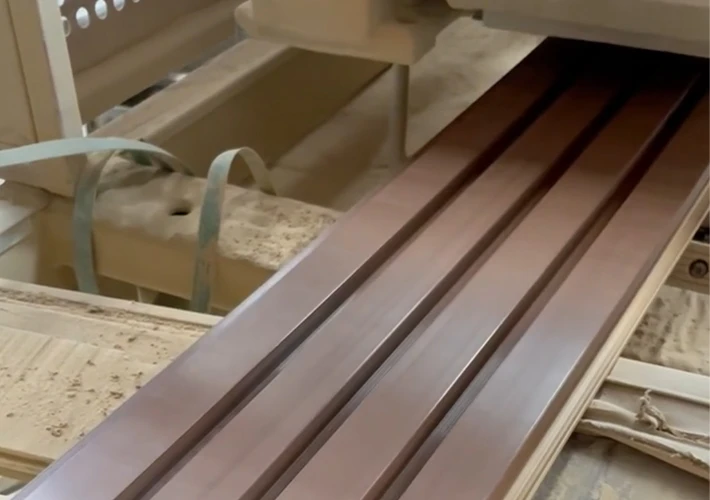
Why ASA Exterior Wall Panels Are Becoming a Popular Choice for Modern Buildings
ASA exterior wall panels are gaining attention because they combine the appearance of decorative exterior cladding with the performance characteristics of engineered polymer materials and composite substrates.
Although conventional materials such as timber, metal, fiber cement, and PVC remain important in the construction industry, ASA co-extruded WPC panels provide another option for projects that prioritize appearance, weatherability, and reduced maintenance.
What Is an ASA Exterior Wall Panel?
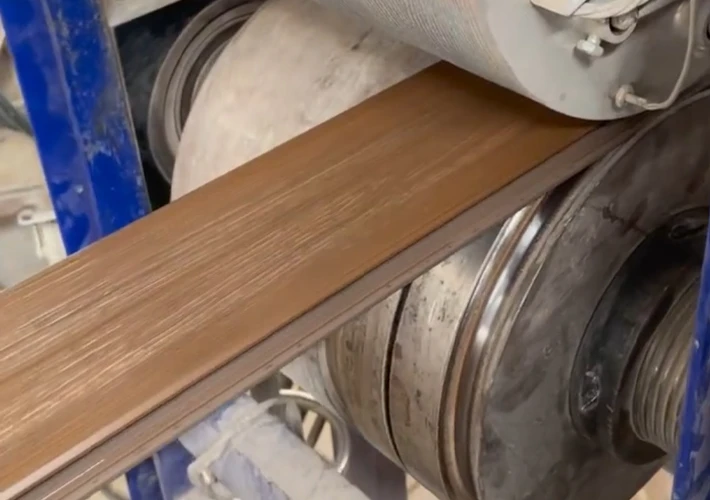
An ASA exterior wall panel is commonly manufactured using a co-extrusion process in which an ASA surface layer is combined with a structural substrate.
In ASA WPC exterior wall panels, the substrate is generally a wood-plastic composite material containing wood-based fibers, plastic, and processing additives.
The two layers serve different functions:
- ASA surface: Provides the exposed decorative surface and contributes to weather and UV resistance.
- WPC core: Provides the main panel structure and contributes to mechanical and dimensional properties.
The exact formulation varies between manufacturers. Therefore, buyers should always confirm the composition of the product rather than assuming that every product marketed as ASA cladding has an identical structure.
ASA vs. Traditional WPC Exterior Wall Panels
Traditional WPC exterior wall panels and ASA co-extruded WPC panels share a composite material foundation, but their surface structures can be different.
| Comparison | Traditional WPC Wall Panels | ASA Co-Extruded WPC Panels |
|---|---|---|
| Surface structure | Conventional composite surface | Additional ASA protective layer |
| UV performance | Depends on formulation and additives | Designed for improved UV resistance |
| Color retention | Varies by product quality | Generally designed for better color stability |
| Weather resistance | Depends on core and surface formulation | Combines composite core and ASA surface |
| Maintenance | Generally lower than natural wood | Generally low maintenance |
| Appearance | Wood-grain and decorative finishes | Wood-grain and modern decorative finishes |
| Price | Often more economical | May have a higher initial cost |
The main advantage of ASA co-extrusion is the additional exterior surface protection. However, actual performance depends on the ASA formulation, layer thickness, bonding quality, and composite substrate.
ASA Exterior Wall Panels vs. Natural Wood Cladding
Natural wood offers an authentic appearance and remains a preferred material in many architectural projects.
However, it may require regular maintenance depending on the wood species, coating system, and installation environment.
ASA WPC wall panels provide an alternative for projects seeking a wood-inspired appearance with a different maintenance profile.
Potential advantages include:
- No routine wood staining requirement under normal use.
- No risk of natural wood splintering in the same manner as untreated timber.
- Designed resistance to outdoor weather exposure.
- Consistent factory-produced profiles.
- Multiple colors and surface textures.
- Compatibility with modern cladding installation systems.
Nevertheless, composite cladding should not be considered maintenance-free. Periodic cleaning and inspection are still necessary.
Main Applications of ASA Exterior Wall Panels
Residential Buildings
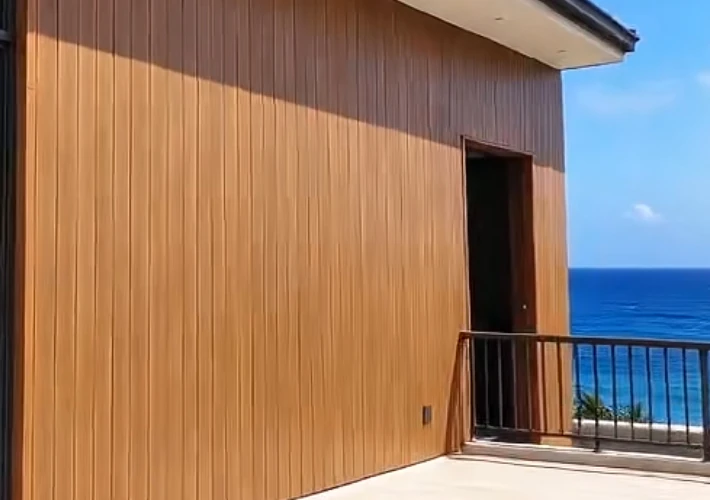
ASA exterior wall panels can be used on villas, townhouses, modern residential buildings, and exterior feature walls.
Wood-grain finishes are especially useful when architects want a natural appearance without relying entirely on traditional timber.
Commercial Buildings
Commercial projects often require decorative materials that can maintain a consistent appearance across larger facade areas.
ASA wall panels may be suitable for selected exterior walls, entrance areas, and architectural feature zones.
Hotels and Resorts
Hotels and resorts frequently use exterior decorative materials to create distinctive building appearances.
ASA panels can be considered for entrance walls, outdoor lounge areas, garden structures, and selected facade sections.
Outdoor Leisure Spaces
Outdoor structures such as pergolas, garden rooms, terrace partitions, and privacy screens may also benefit from composite cladding.
For projects near swimming pools or other high-moisture environments, buyers should confirm the suitability of the specific panel and installation system.
Landscape and Architectural Decoration
ASA exterior wall panels can also be used for decorative boundary walls, landscape structures, and outdoor architectural features.
Understanding Installation Requirements
Even a high-quality exterior wall panel can experience problems if it is installed incorrectly.
Professional installation should consider the following factors.
Subframe Preparation
The supporting structure must be suitable for the panel system and the expected environmental loads.
Depending on the project, timber or metal subframes may be used.
Expansion and Contraction
Composite materials can expand and contract as temperatures change.
Installers should follow the manufacturer’s recommendations regarding expansion gaps, fixing positions, and panel spacing.
Ventilation and Drainage
Exterior cladding systems should be designed to manage moisture and allow appropriate ventilation where required.
The installation method should prevent water from becoming trapped behind the panels.
Fastening System
Different profiles may use clips, screws, or other mechanical fixing systems.
The correct fixing method depends on the panel structure and supporting framework.
Cutting and Finishing
Cut edges, corners, external joints, and terminal profiles should be finished according to the manufacturer’s installation instructions.
For large facade projects, a sample installation section is recommended before full-scale installation begins.
Frequently Asked Questions About ASA Exterior Wall Panels
Q1: What is the main difference between ASA wall panels and ordinary WPC wall panels?
The main difference is the exterior surface structure. ASA co-extruded panels have an additional ASA layer designed to improve UV and weather resistance. Ordinary WPC panels may use a different surface formulation without the same type of co-extruded ASA protective layer.
Q2: Are ASA exterior wall panels waterproof?
ASA WPC panels are designed for outdoor applications and generally have low water absorption compared with untreated wood. However, the entire facade system is not automatically waterproof. Joints, fasteners, drainage, and installation details must be properly designed.
Q3: Do ASA exterior wall panels fade under sunlight?
All exterior materials can experience some degree of weathering over time. ASA is selected for its improved UV resistance and color stability. Buyers should request weather-aging test results and warranty information to evaluate the expected performance of a particular product.
Q4: Can ASA wall panels be used in hot climates?
Yes, suitable ASA exterior wall panels can be considered for hot and sunny regions. However, buyers should evaluate the product’s temperature range, thermal expansion, UV performance, and installation requirements before purchasing.
Q5: Are ASA WPC panels suitable for coastal environments?
They may be suitable for selected coastal applications, but the complete system must be evaluated for humidity, salt exposure, wind loads, and corrosion resistance of the fixing accessories. Request relevant test information from the manufacturer.
Q6: Can manufacturers customize ASA wall panel colors and sizes?
Many Chinese manufacturers offer customization options. Depending on the supplier, these may include color, surface texture, profile dimensions, length, and packaging. Custom orders may require minimum quantities or additional tooling costs.
Q7: What is the typical MOQ for ASA exterior wall panels?
There is no universal MOQ. It varies according to the manufacturer, product profile, color, production schedule, and customization requirements. Buyers should request an order-specific quotation.
Q8: How do I calculate the quantity of ASA exterior wall panels for a project?
Start by calculating the total net wall area, subtracting openings where appropriate, and dividing the remaining area by the panel’s effective coverage area. Add an allowance for cutting, installation waste, and project-specific design requirements. Always use the usable coverage width rather than the nominal panel width.
Q9: How long do ASA exterior wall panels last?
Service life depends on raw material quality, ASA formulation, panel structure, climate, installation, and maintenance. Buyers should avoid relying on generic lifespan claims without checking product-specific test results and written warranty terms.
Q10: Why should importers buy ASA wall panels directly from a Chinese factory?
Direct factory sourcing can provide better communication about technical specifications, customization, samples, production schedules, and quality control. It may also help distributors develop private-label product lines and improve their purchasing efficiency.
Q11: What documents should I request from an ASA wall panel manufacturer?
Useful documents include product technical data sheets, material specifications, UV and weather-aging reports, mechanical test results, applicable fire-performance reports, installation instructions, packaging specifications, and written warranty terms.
Q12: Can ASA exterior wall panels be used for both residential and commercial buildings?
Yes, they can be considered for both applications, provided that the selected product meets the relevant project requirements. Commercial facade projects may have additional requirements for fire performance, wind resistance, fixing systems, and regulatory compliance.
Final Recommendation: Find the Right ASA Exterior Wall Panel Factory for Your Market
China offers a wide range of ASA exterior wall panel suppliers, from specialized composite material manufacturers to broader decorative building material companies.
The five companies introduced in this article provide different options for buyers evaluating ASA co-extruded exterior wall panels. Their product specifications, production capabilities, customization services, and export experience should be compared before making a final decision.
For buyers who prioritize third-generation ASA outdoor product development, customized composite profiles, and direct factory cooperation, Solidexwood is a strong starting point for supplier evaluation.
A successful purchasing decision should be based on more than the lowest quotation. The ASA surface layer, composite core, product dimensions, weather resistance, installation system, quality control, and delivery arrangements all contribute to the overall value of an exterior wall panel.
If you are a building material importer, distributor, contractor, or project purchaser looking for a reliable ASA exterior wall panel supplier in China, consider contacting Solidexwood to discuss your product requirements.
Solidexwood – Your China Factory Partner for Composite Outdoor Building Materials.
Contact us to request product specifications, customized profile options, samples, and a factory quotation for your next project.
Solidexwood. Build Better Outdoor Spaces.