Introduction
Composite fence boards have become one of the fastest-growing alternatives to traditional timber fencing across residential, commercial, and public infrastructure projects. Combining the natural appearance of wood with the durability of advanced composite materials, these fencing solutions provide a long-lasting, low-maintenance, and environmentally friendly option for modern construction.
As demand for sustainable outdoor building materials continues to increase in North America, Europe, Australia, and the Middle East, wholesale buyers are increasingly turning to China for reliable composite fence board suppliers.
At Solidexwood, we manufacture and export high-quality composite fence boards to distributors, contractors, wholesalers, project developers, and building material importers worldwide. This guide explains everything buyers need to know about composite fence boards, including their advantages, technical specifications, pricing factors, and sourcing considerations.
What Are Composite Fence Boards?
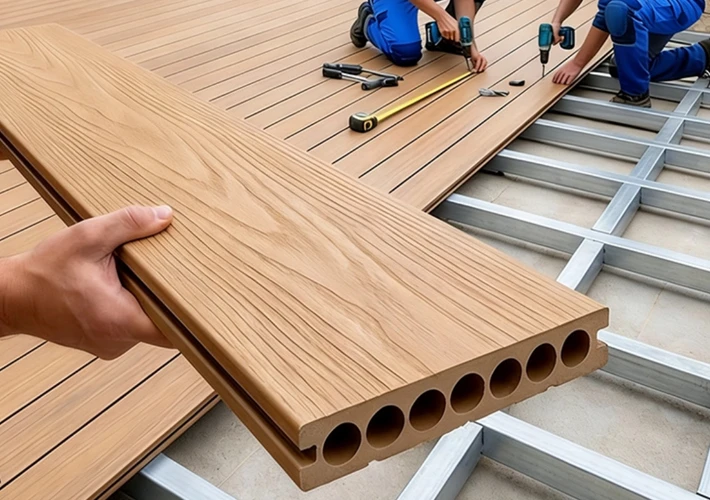
Composite fence boards are engineered fencing products made from a blend of recycled wood fibers, plastic polymers, and performance-enhancing additives.
Typical material composition includes:
- 55% Wood Fiber
- 35% HDPE (High-Density Polyethylene)
- 10% Additives
These materials are combined through high-temperature extrusion processes to create durable fencing profiles that closely resemble natural wood while eliminating many of wood’s common problems.
Unlike traditional wooden fencing, composite fence boards do not:
- Rot
- Warp
- Crack
- Splinter
- Attract termites
- Require regular painting
Because of these advantages, composite fencing has become a preferred solution for:
- Residential communities
- Villas
- Hotels
- Resorts
- Public parks
- Schools
- Commercial properties
- Industrial facilities
Why Composite Fence Boards Are Becoming Popular Worldwide
Growing Demand for Low-Maintenance Solutions
Property owners increasingly seek fencing materials that minimize maintenance costs.
Traditional timber fences often require:
- Annual staining
- Repainting
- Anti-termite treatments
- Rot prevention
Composite fence boards largely eliminate these ongoing expenses.
Sustainability Requirements
Many governments and developers now prioritize environmentally responsible materials.
Composite fencing supports sustainability goals by utilizing:
- Recycled plastics
- Reclaimed wood fibers
- Reduced timber harvesting
This makes composite fence boards attractive for green building projects.
Longer Service Life
Modern co-extrusion technology enables composite fence boards to maintain appearance and performance for decades.
Typical lifespan:
| Material | Average Lifespan |
|---|---|
| Traditional Wood Fence | 5-15 Years |
| PVC Fence | 15-20 Years |
| Composite Fence Board | 20-30+ Years |
The longer lifecycle significantly reduces replacement costs.
Key Benefits of Wholesale Composite Fence Boards
Exceptional Weather Resistance
Composite fence boards perform well in:
- Extreme heat
- Heavy rainfall
- Snow
- Coastal environments
- High humidity regions
Unlike wood, they do not absorb significant moisture.
UV Resistance
Advanced composite fencing includes UV stabilizers that reduce fading and discoloration caused by sunlight exposure.
This is particularly important in markets such as:
- United States
- Australia
- Middle East
- Southeast Asia
Termite and Insect Resistance
Termite damage costs property owners billions of dollars annually.
Composite materials contain plastic polymers that make them highly resistant to insect attacks.
Minimal Maintenance
Routine maintenance generally requires only:
- Water washing
- Mild detergent cleaning
No sanding, staining, or painting is required.
Attractive Appearance
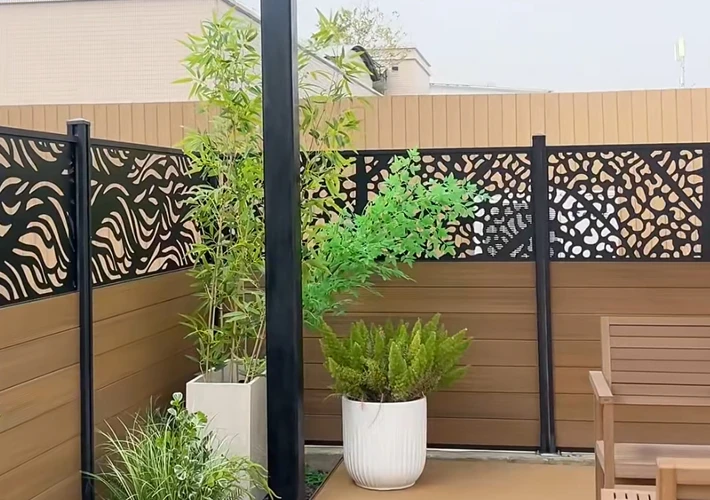
Modern manufacturing technologies allow composite fence boards to replicate:
- Cedar grain
- Oak grain
- Walnut grain
- Teak grain
- Modern brushed finishes
Enhanced Privacy
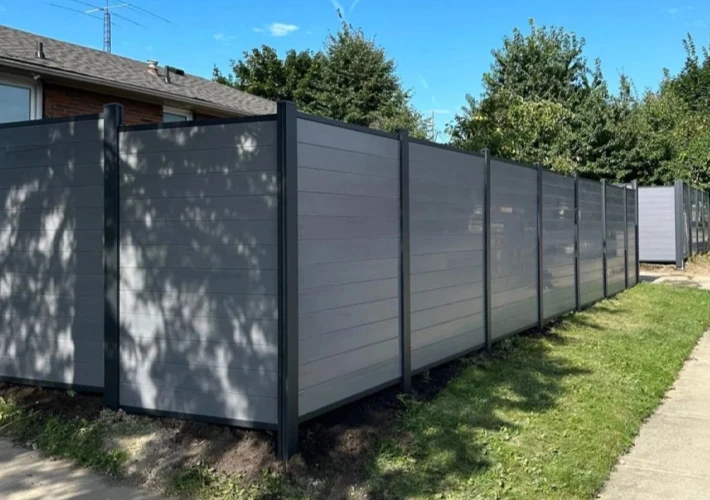
Composite fence systems provide superior privacy compared to chain-link fencing and many decorative fence options.
Cost Savings Over Time
Although initial investment may be higher than wood, the total lifecycle cost is usually much lower due to reduced maintenance and replacement expenses.
Composite Fence Board Specifications and Technical Details
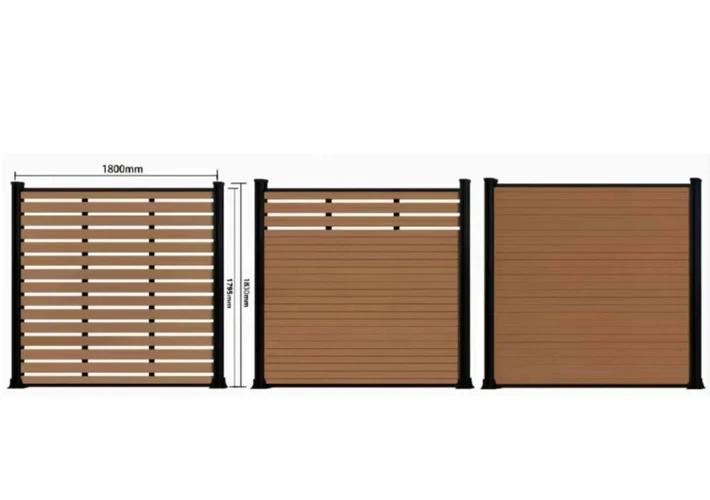
Understanding technical specifications helps wholesale buyers select the appropriate products for their markets.
Standard Fence Board Dimensions
Common board sizes include:
| Width | Thickness | Length |
|---|---|---|
| 150 mm | 20 mm | 1800 mm |
| 160 mm | 20 mm | 1800 mm |
| 160 mm | 21 mm | 2200 mm |
| 180 mm | 20 mm | 1800 mm |
| 180 mm | 21 mm | 2400 mm |
Custom dimensions are available for OEM projects.
Available Colors
Popular colors include:
- Teak
- Walnut
- Coffee
- Dark Gray
- Light Gray
- Cedar
- Black
- Charcoal
Surface Finishes
Solidexwood offers:
- Wood Grain
- Embossed Wood Texture
- Brushed Surface
- Sanded Finish
- Co-extruded Surface
Density
Typical density:
1.2-1.4 g/cm³
Higher density contributes to:
- Better strength
- Improved impact resistance
- Greater dimensional stability
Fire Rating Options
Available fire performance levels:
- B1
- B2
- ASTM Standards upon request
UV Protection
High-performance UV inhibitors ensure long-term outdoor durability.
Applications of Composite Fence Boards
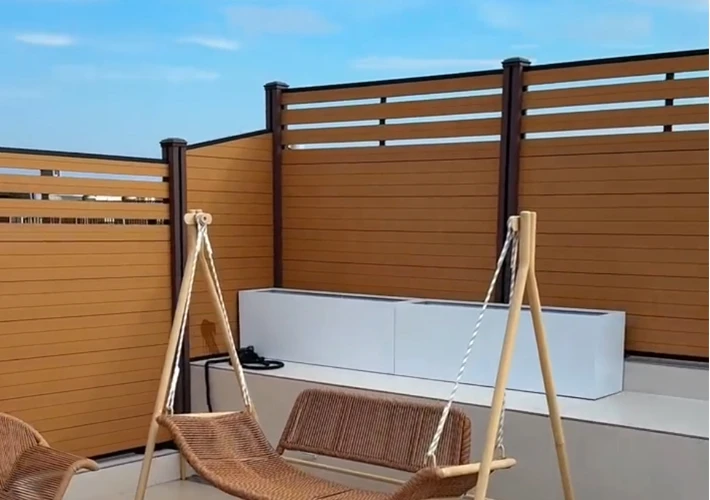
Residential Projects
Composite fencing is widely used for:
- Backyard fencing
- Garden enclosures
- Villa boundaries
- Swimming pool privacy screens
Commercial Developments
Commercial applications include:
- Office parks
- Retail centers
- Shopping complexes
- Mixed-use developments
Hospitality Industry
Hotels and resorts use composite fencing for:
- Privacy screening
- Landscape enhancement
- Outdoor dining areas
- Pool surrounds
Public Infrastructure
Municipal projects commonly utilize composite fencing in:
- Parks
- Schools
- Recreational facilities
- Transportation corridors
Industrial Facilities
Factories and warehouses benefit from composite fencing because of its durability and low maintenance requirements.
Factors Affecting Wholesale Composite Fence Board Pricing
Many buyers ask:
“How much do composite fence boards cost?”
The answer depends on several key factors.
Material Formulation
Higher-quality formulations typically include:
- Better wood fibers
- Premium HDPE
- UV stabilizers
- Advanced additives
Premium formulations cost more but deliver longer service life.
Co-Extrusion Technology
Co-extruded composite fence boards include a protective outer layer that improves:
- Stain resistance
- UV resistance
- Scratch resistance
These products are generally priced higher than standard composite boards.
Board Dimensions
Larger profiles require more raw materials, increasing production costs.
Surface Treatment
Deep embossing and realistic wood grain textures involve additional manufacturing processes.
Order Quantity
Bulk orders receive lower unit pricing.
Typical wholesale tiers:
| Quantity | Pricing Advantage |
|---|---|
| 1 Container | Standard Wholesale Price |
| 2-5 Containers | Better Pricing |
| 5+ Containers | Volume Discount |
| OEM Annual Contracts | Best Pricing |
Shipping Costs
Freight rates influence final landed costs, especially for overseas buyers.
How to Choose a Reliable Composite Fence Board Supplier
Verify Manufacturing Capability
A trustworthy supplier should have:
- Modern extrusion lines
- Quality control systems
- OEM capabilities
- Export experience
Request Material Testing Reports
Key reports include:
- UV testing
- Water absorption testing
- Impact resistance testing
- Fire resistance reports
Evaluate Production Capacity
Large projects require suppliers capable of maintaining consistent production schedules.
Check Customization Options
B2B buyers often require:
- Custom colors
- Custom lengths
- Private labeling
- OEM packaging
Assess Quality Control Procedures
Quality inspections should occur during:
- Raw material sourcing
- Production
- Surface treatment
- Packaging
Why Global Buyers Choose Solidexwood as Their Composite Fence Board Manufacturer
As a professional Chinese composite building materials manufacturer, Solidexwood serves distributors, importers, contractors, and project developers across global markets.
Our Advantages
Advanced Manufacturing Facilities
Our factory operates modern extrusion production lines designed for high-volume orders.
Strict Quality Control
Every production batch undergoes rigorous testing to ensure consistency and durability.
OEM and Private Label Services
We support customized:
- Dimensions
- Colors
- Surface finishes
- Packaging
- Branding
Competitive Factory Pricing
Direct factory supply helps buyers reduce procurement costs while maintaining product quality.
Global Export Experience
We export composite building materials to:
- United States
- Canada
- United Kingdom
- Germany
- France
- Australia
- New Zealand
- Middle East
- Southeast Asia
Reliable Delivery
Our experienced logistics team ensures smooth international shipment coordination.
Conclusion
Composite fence boards have become one of the most attractive fencing solutions for modern construction projects due to their durability, aesthetics, sustainability, and low maintenance requirements.
For wholesalers, distributors, contractors, and project developers, choosing the right manufacturer is essential for ensuring product quality and long-term profitability.
As a trusted Chinese manufacturer, Solidexwood provides premium wholesale composite fence boards with customizable specifications, competitive factory pricing, and dependable global supply capabilities.
Whether you are sourcing fencing products for distribution, retail sales, residential developments, or large-scale commercial projects, Solidexwood can help you meet market demand with reliable composite fencing solutions.
Contact Solidexwood today for product catalogs, samples, OEM solutions, and the latest wholesale composite fence board pricing.