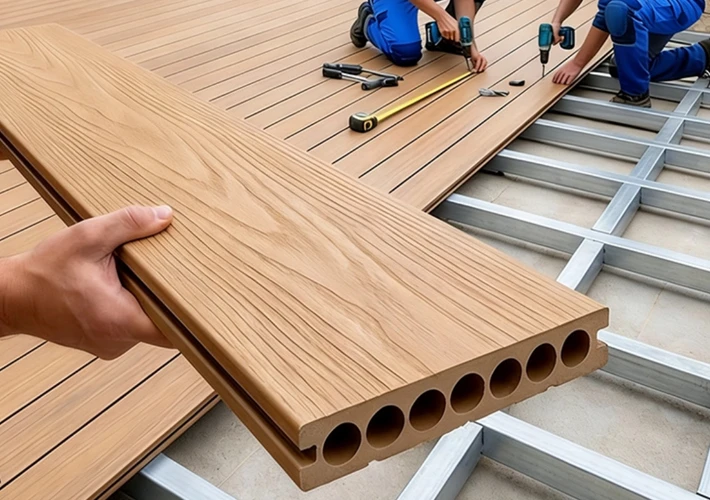
Wood Plastic Composite (WPC) decking has become one of the fastest-growing outdoor building materials in residential and commercial construction. Whether used for villas, hotel terraces, garden walkways, rooftop decks, resorts, or waterfront projects, WPC decking is increasingly replacing traditional wood because of its long service life and low maintenance requirements.
But one of the most common questions buyers ask is:
“How long does wood plastic composite decking actually last?”
The short answer is:
High-quality WPC decking can typically last 25–30 years or even longer under proper installation and maintenance conditions. Premium capped composite decking products may achieve lifespans of 35–50 years in suitable climates.
As a professional Chinese WPC decking manufacturer, solidexwood understands that lifespan is one of the most important factors for distributors, builders, architects, and project contractors when selecting decking materials.
In this comprehensive guide, we will explain:
- The real lifespan of WPC decking
- Factors that affect durability
- Differences between capped and uncapped decking
- Maintenance expectations
- Climate performance
- Common causes of early failure
- How to maximize service life
- Why modern WPC decking outperforms traditional wood
Understanding Wood Plastic Composite Decking
Before discussing lifespan, it is important to understand what WPC decking actually is.
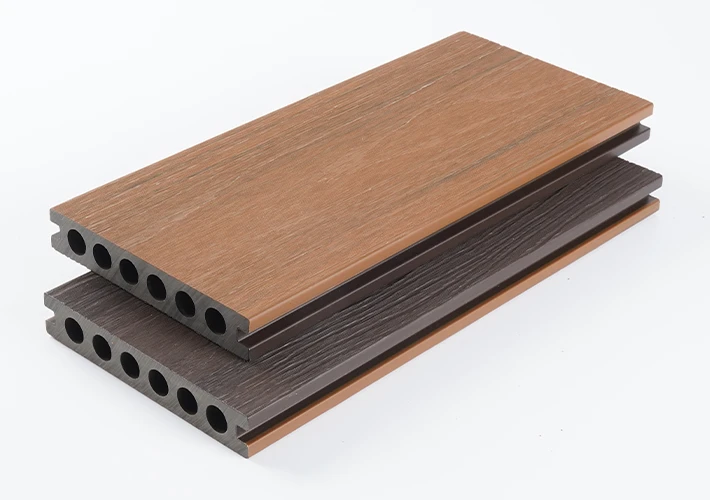
Wood Plastic Composite decking is an engineered outdoor flooring material made from:
- Wood fibers or wood flour
- Recycled plastic polymers
- Stabilizers and additives
- UV-resistant compounds
- Color pigments
These materials are combined under high temperature and pressure to produce decking boards that resemble natural wood while offering improved resistance to moisture, insects, and weathering.
Modern WPC decking generally falls into two categories:
1. Uncapped WPC Decking
This is the traditional generation of composite decking.
Characteristics:
- More affordable
- Natural wood texture
- Basic weather resistance
- Lower stain resistance
- Moderate UV protection
Average lifespan:
- 15–20 years depending on climate and maintenance
2. Capped Composite Decking
Capped decking includes an additional polymer shield around the board core.
Advantages:
- Superior waterproof performance
- Better UV resistance
- Enhanced stain resistance
- Improved fade resistance
- Longer durability
Average lifespan:
- 25–35 years or longer
At solidexwood, capped co-extrusion WPC decking has become increasingly popular among global buyers because of its long-term outdoor performance.
Average Lifespan of WPC Decking
The expected lifespan of WPC decking depends heavily on product quality, installation quality, and environmental conditions.
Here is a general industry comparison:
| Decking Material | Average Lifespan | Maintenance Level |
|---|---|---|
| Pressure-treated wood | 10–15 years | High |
| Cedar decking | 15–20 years | High |
| Hardwood decking | 20–30 years | Medium-High |
| Standard WPC decking | 20–25 years | Low |
| Premium capped WPC decking | 25–35+ years | Very Low |
| PVC decking | 30–50 years | Very Low |
Industry reports consistently show that composite decking significantly outlasts traditional wood decking.
This is why more commercial developers, hotels, and outdoor construction companies are switching to WPC materials.
Why WPC Decking Lasts Longer Than Traditional Wood
Traditional timber decking faces several natural weaknesses:
- Rot
- Cracking
- Warping
- Splintering
- Insect damage
- Moisture absorption
- Mold growth
WPC decking minimizes these issues through engineered material technology.
Moisture Resistance
Wood naturally absorbs water. Over time, moisture causes swelling, decay, and fungal growth.
Composite decking contains plastic polymers that significantly reduce water absorption.
This is especially important for:
- Coastal projects
- Poolside decks
- Tropical climates
- Rainy environments
- Rooftop terraces
UV Protection
High-quality WPC decking includes UV stabilizers that reduce:
- Color fading
- Surface cracking
- Heat degradation
Premium capped decking performs especially well in strong sunlight regions.
Insect Resistance
Unlike natural wood, WPC decking is not a food source for termites or wood-boring insects.
This makes it highly suitable for:
- Southeast Asia
- Africa
- Tropical regions
- Humid environments
Structural Stability
WPC decking resists:
- Expansion
- Contraction
- Twisting
- Warping
This helps preserve structural appearance over decades.
Factors That Affect the Lifespan of WPC Decking
Not all WPC decking products perform equally. Several important factors influence durability.
Material Quality
Low-quality WPC decking may contain:
- Poor plastic ratios
- Low-density core materials
- Inferior additives
- Weak UV protection
These products may fade, crack, or deform prematurely.
High-quality manufacturers like solidexwood use:
- High-density composite formulations
- UV stabilizers
- Anti-oxidation additives
- Co-extrusion protective layers
This significantly improves long-term performance.
Installation Quality
Even the best decking materials can fail if installed incorrectly.
Common installation mistakes include:
- Poor drainage design
- Insufficient expansion gaps
- Weak subframe systems
- Improper fasteners
- Inadequate ventilation
Poor installation may cause:
- Water accumulation
- Thermal expansion issues
- Structural movement
- Mold growth
Professional installation is essential for maximizing lifespan.
Climate Conditions
Environmental exposure greatly influences decking durability.
Hot and Sunny Climates
Strong UV exposure may cause:
- Surface fading
- Thermal expansion
- Heat buildup
Capped composite decking performs better under these conditions.
Cold Climates
Freeze-thaw cycles can stress low-quality materials.
Premium WPC decking offers improved stability in:
- Snowy regions
- Northern Europe
- Canada
- Northern United States
Humid and Tropical Areas
High humidity accelerates wood decay, but WPC decking performs much better due to its moisture resistance.
This is one reason WPC decking has become highly popular in:
- Southeast Asia
- Middle East resorts
- Coastal tourism projects
Maintenance and Its Impact on Lifespan
One of the biggest advantages of WPC decking is low maintenance.
Traditional wood decks often require:
- Annual sealing
- Sanding
- Painting
- Staining
- Rot repairs
Composite decking typically only requires:
- Periodic cleaning
- Surface washing
- Debris removal
Routine maintenance helps preserve appearance and extend service life.
Recommended Maintenance Practices
To maximize lifespan:
- Clean the deck 1–2 times per year
- Remove leaves and standing water
- Wash spills promptly
- Avoid harsh chemical cleaners
- Maintain proper drainage
- Inspect fasteners annually
These simple steps can help WPC decking maintain excellent performance for decades.
Capped vs Uncapped Composite Decking Lifespan
One of the biggest determinants of longevity is whether the decking is capped or uncapped.
Uncapped Decking
Advantages:
- Lower price
- Natural appearance
- Cost-effective for budget projects
Disadvantages:
- More susceptible to fading
- Lower moisture resistance
- Higher risk of staining
Average lifespan:
- 15–20 years
Capped Decking
Advantages:
- Superior waterproofing
- Better scratch resistance
- Improved stain protection
- Longer color retention
- Better weather resistance
Average lifespan:
- 25–35 years or more
For commercial projects and premium residential applications, capped co-extrusion decking is now considered the preferred solution.
Common Signs of Aging in WPC Decking
Even durable decking materials eventually show aging signs.
Typical long-term changes may include:
Minor Color Fading
Most composite decking experiences some initial weathering within the first few months.
High-quality capped boards minimize this issue.
Surface Scratches
Heavy furniture movement may create surface scratches over time.
Fortunately, capped decking offers strong scratch resistance.
Thermal Expansion
All outdoor materials expand and contract with temperature changes.
Proper installation spacing prevents problems.
Mold or Dirt Build-Up
Although WPC resists rot, dirt accumulation in shaded areas may encourage surface mold.
Regular cleaning solves this issue easily.
How to Extend the Lifespan of WPC Decking
If properly maintained, WPC decking can easily exceed 30 years of service.
Choose a Reliable Manufacturer
Product quality is the foundation of durability.
Professional suppliers like solidexwood provide:
- Stable raw material formulas
- Strict quality control
- UV-resistant technology
- Long-term performance testing
Use High-Quality Subframes
The deck surface may outlast the supporting structure if poor framing materials are used.
Aluminum or galvanized steel subframes are recommended for premium projects.
Ensure Proper Ventilation
Good airflow beneath the decking helps:
- Reduce moisture buildup
- Improve structural stability
- Prevent mold accumulation
Follow Installation Guidelines
Correct spacing and fastening systems help prevent:
- Buckling
- Cracking
- Water retention
WPC Decking vs Wood Decking Lifespan
The lifespan comparison between wood and WPC decking is one of the main reasons buyers switch to composite materials.
| Feature | Traditional Wood | WPC Decking |
|---|---|---|
| Average lifespan | 10–20 years | 25–35 years |
| Waterproof performance | Poor | Excellent |
| Termite resistance | Low | High |
| Maintenance frequency | High | Low |
| Splinter resistance | No | Yes |
| Rot resistance | Poor | Excellent |
| Fade resistance | Moderate | High |
| Long-term cost efficiency | Lower | Higher |
Research consistently shows composite decking provides superior long-term value because of reduced maintenance and replacement costs.
Commercial Applications That Require Long-Life Decking
Long service life is especially important in commercial projects where replacement costs are high.
Common applications include:
Hotels and Resorts
Outdoor hospitality areas require:
- Weather resistance
- Luxury appearance
- Low maintenance
- Long durability
Public Parks
Municipal projects demand:
- Heavy-load performance
- Slip resistance
- Long-term stability
Rooftop Decks
Urban rooftop applications need:
- Lightweight systems
- Waterproof performance
- UV resistance
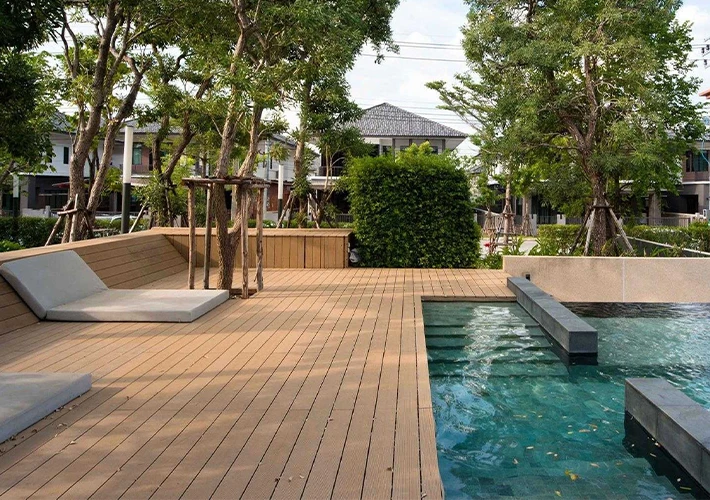
Poolside Areas
WPC decking works well near water because it resists:
- Moisture
- Mold
- Rot
- Splintering
Why More Global Buyers Choose Chinese WPC Decking Manufacturers
China has become one of the world’s largest WPC decking manufacturing centers.
Advantages include:
- Mature supply chains
- Competitive pricing
- Large-scale production
- Advanced extrusion technology
- Custom color development
- OEM and ODM support
As a professional Chinese manufacturer, solidexwood provides:
- Co-extrusion decking
- Hollow and solid decking
- Custom colors
- Commercial project solutions
- Global export experience
Market Trends: Longer Lifespan and Sustainable Materials
Modern construction increasingly focuses on:
- Sustainability
- Long-term cost efficiency
- Reduced maintenance
- Environmental responsibility
WPC decking aligns perfectly with these trends because it often incorporates recycled plastics and wood fibers.
Many international buyers now prioritize:
- Long warranties
- Recyclable materials
- Eco-friendly production
- Low maintenance systems
This is driving rapid global growth in the WPC decking market.
Conclusion
So, what is the lifespan of wood plastic composite decking?
For high-quality products installed correctly and maintained properly:
- Standard WPC decking typically lasts 20–25 years
- Premium capped composite decking commonly lasts 25–35+ years
- Advanced PVC-based systems may exceed 50 years
Compared with traditional wood decking, WPC offers:
- Longer durability
- Lower maintenance
- Better moisture resistance
- Superior insect resistance
- Improved structural stability
For distributors, contractors, architects, and project developers, investing in high-quality WPC decking can significantly reduce long-term replacement and maintenance costs.
As an experienced Chinese manufacturer, solidexwood continues to provide durable, weather-resistant, and high-performance composite decking solutions for global markets.