Metal carved siding has become one of the fastest-growing exterior wall materials in residential, commercial, and industrial construction. From villas and hotels to prefabricated houses and commercial buildings, this decorative insulated panel is widely used because of its durability, thermal insulation, lightweight structure, and aesthetic flexibility.
As global demand for energy-efficient and easy-installation construction materials continues to rise, more distributors, contractors, and developers are asking an important question:
What are the raw materials for metal carved siding?
Understanding the raw materials behind metal carved siding helps buyers evaluate product quality, durability, fire resistance, insulation performance, and long-term value. In this article, we will explore the complete material composition of metal carved siding, explain how each layer functions, and discuss how raw material selection affects overall product performance.
What Is Metal Carved Siding?
Metal carved siding, also called insulated decorative metal panel or sandwich exterior wall panel, is a composite building material made from several functional layers bonded together.
Typically, it consists of:
- Surface decorative metal sheet
- Insulation core layer
- Back protective layer
- Adhesive bonding materials
- Surface coating materials
These layers work together to create a lightweight yet durable wall cladding solution suitable for both exterior and interior applications.
Compared with traditional wall materials such as ceramic tiles, natural stone, cement boards, or solid wood panels, metal carved siding offers:
- Better thermal insulation
- Faster installation
- Lower structural load
- Strong weather resistance
- Decorative versatility
- Lower maintenance costs
The quality of these advantages largely depends on the raw materials used during manufacturing.
The Main Raw Materials Used in Metal Carved Siding
Color-Coated Galvanized Steel Sheet
The outer decorative layer is usually made from color-coated galvanized steel sheet or aluminum-zinc coated steel sheet.
This metal layer is the visible surface of the siding and plays a major role in durability, weather resistance, and appearance.
Common Base Materials
The most commonly used steel materials include:
- Galvanized steel
- Galvalume steel
- Aluminum-zinc alloy steel
- Aluminum sheet
Among these, aluminum-zinc coated steel is considered one of the best choices because it provides:
- Excellent corrosion resistance
- Strong oxidation resistance
- Long service life
- Better performance in humid climates
Typical Thickness
Most manufacturers use steel thicknesses ranging from:
- 0.20 mm
- 0.23 mm
- 0.25 mm
- 0.27 mm
- 0.30 mm
Higher thickness generally means:
- Better impact resistance
- Stronger structural stability
- Longer lifespan
However, it also increases material cost.
Surface Texture Processing
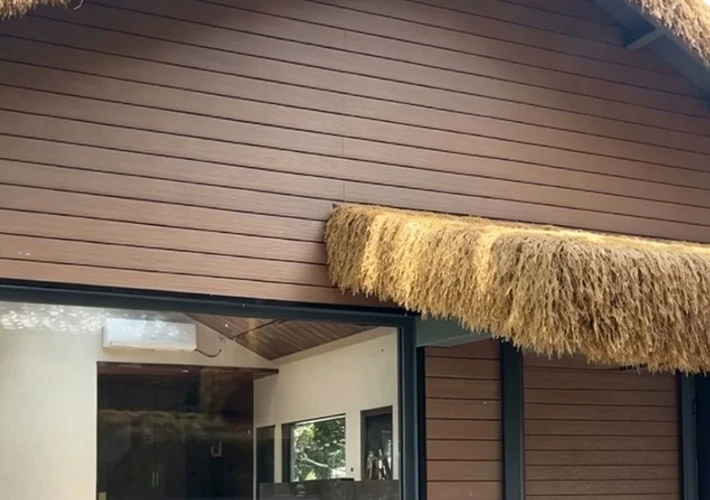
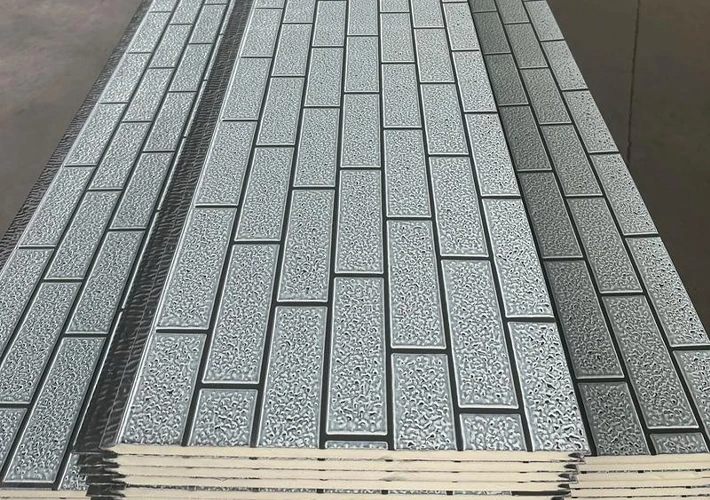
The decorative appearance of metal carved siding comes from embossing and carving technology applied to the steel sheet.
Common patterns include:
- Brick texture
- Stone texture
- Wood grain
- Tile pattern
- Marble effect
- Modern flat design
These textures are created using precision rolling equipment before coating treatment.
Advantages of High-Quality Steel Sheets
Premium steel sheets offer:
- UV resistance
- Salt spray resistance
- Anti-rust protection
- Wind resistance
- Better dimensional stability
This is especially important for coastal regions, tropical climates, and areas with high humidity.
Polyurethane Foam Insulation Layer
The middle insulation layer is the core functional material of metal carved siding.
The most widely used insulation raw material is:
- Polyurethane (PU)
Some manufacturers may also use:
- Polyisocyanurate (PIR)
- EPS foam
- Rock wool
However, PU insulation remains the most popular because of its superior thermal insulation performance.
What Is Polyurethane?
Polyurethane foam is produced by mixing:
- Polyol
- Isocyanate
- Foaming agents
- Catalysts
- Flame retardants
These chemicals react to form rigid foam with closed-cell structures.
Why Polyurethane Is Important
PU insulation provides:
- Excellent thermal insulation
- Lightweight structure
- Moisture resistance
- Energy-saving performance
- Sound insulation
Its thermal conductivity is usually around:
- 0.018–0.024 W/m·K
This is significantly better than many traditional insulation materials.
Density Standards
The density of PU foam usually ranges from:
- 35–45 kg/m³
Higher density foam generally offers:
- Better compressive strength
- Improved insulation
- Longer service life
Fire Resistance Additives
To improve fire safety, manufacturers add:
- Flame retardants
- Fire-resistant compounds
This helps panels meet different building fire standards.
Aluminum Foil or Protective Back Layer
The backside of metal carved siding usually includes a protective layer made from:
- Aluminum foil
- Fiberglass layer
- Moisture-proof film
This layer serves several important functions.
Main Functions
Moisture Protection
The back layer prevents water vapor penetration and reduces condensation risks.
Thermal Reflection
Aluminum foil reflects heat radiation and improves insulation efficiency.
Structural Stability
It helps stabilize the composite panel structure during temperature changes.
Corrosion Prevention
The protective backing improves durability in humid environments.
Surface Coating Materials
The coating system used on the steel sheet greatly affects product lifespan and weather resistance.
High-quality coatings protect the panel against:
- UV rays
- Rain
- Snow
- Acid rain
- Corrosion
- Fading
Common Coating Materials
Polyester Paint (PE)
PE coating is economical and suitable for general environments.
Advantages include:
- Good flexibility
- Affordable cost
- Wide color selection
However, weather resistance is moderate.
Fluorocarbon Coating (PVDF)
PVDF coating is considered premium grade.
Advantages include:
- Excellent UV resistance
- Superior weather durability
- Long-term color stability
- Better anti-corrosion properties
PVDF-coated panels are commonly used in:
- Coastal projects
- Luxury commercial buildings
- High-end residential projects
Silicon Modified Polyester (SMP)
SMP coatings provide balanced performance between PE and PVDF.
They offer:
- Better heat resistance
- Improved gloss retention
- Good outdoor durability
Adhesives and Bonding Materials
Metal carved siding is a multilayer composite material, so strong bonding agents are essential.
The adhesive system ensures:
- Layer stability
- Structural integrity
- Long-term durability
Common Adhesive Materials
Manufacturers often use:
- Polyurethane adhesives
- Hot melt adhesives
- Reactive bonding agents
High-quality adhesives prevent:
- Delamination
- Bubble formation
- Panel separation
Poor adhesive quality can lead to major product failures after long-term outdoor exposure.
Flame Retardant Additives
Fire resistance is becoming increasingly important in global building standards.
To improve safety, manufacturers add flame retardant materials into the insulation layer.
Common Fireproof Raw Materials
These include:
- Halogen-free flame retardants
- Phosphorus compounds
- Mineral flame retardants
The goal is to slow combustion and reduce flame spread.
Fire Ratings
Different raw materials help panels achieve:
- B1 fire rating
- A2 fire rating
- Non-combustible standards (with rock wool)
Project requirements vary by country and application.
Rock Wool Core Materials
Although PU foam dominates the market, some projects require non-combustible insulation.
In these cases, manufacturers may use rock wool.
What Is Rock Wool?
Rock wool is made from:
- Basalt
- Dolomite
- Recycled slag
These minerals are melted at high temperatures and spun into fibers.
Advantages of Rock Wool
Rock wool offers:
- Excellent fire resistance
- Strong sound insulation
- High-temperature resistance
However, compared with PU foam, it has:
- Higher weight
- Lower insulation efficiency
- More difficult installation
Rock wool metal siding is commonly used in:
- Commercial buildings
- Industrial plants
- Public facilities
- High fire safety projects
How Raw Materials Affect Metal Carved Siding Quality
Corrosion Resistance
Steel quality and coating type determine corrosion performance.
Poor-quality steel may develop:
- Rust
- Paint peeling
- Surface cracking
Premium aluminum-zinc coated steel significantly improves lifespan.
Thermal Insulation Performance
The insulation core directly affects energy efficiency.
Higher-quality PU materials provide:
- Better heat retention
- Lower energy consumption
- Improved indoor comfort
This is especially important in:
- Cold climates
- Hot tropical regions
- Energy-saving buildings
Service Life
Raw material quality determines how long the siding lasts.
High-quality metal carved siding can achieve:
- 20–30 years of service life
Low-cost materials may fail much earlier.
Fire Safety
Different insulation materials produce different fire performances.
For example:
- Standard PU offers moderate fire resistance
- PIR improves fire behavior
- Rock wool provides non-combustible protection
Builders must select materials according to local building codes.
Environmental Performance
Modern buyers increasingly value sustainability.
Eco-friendly raw materials help reduce:
- VOC emissions
- Energy consumption
- Environmental pollution
Many manufacturers now use:
- Recyclable steel
- Environmentally friendly coatings
- Low-emission adhesives
The Manufacturing Process of Metal Carved Siding
Understanding raw materials also requires understanding how they are processed.
Step 1: Steel Surface Treatment
The steel sheet undergoes:
- Cleaning
- Anti-corrosion treatment
- Embossing
- Pattern rolling
Step 2: Surface Coating
Protective coatings are applied and baked at high temperatures.
This creates:
- Decorative finish
- UV-resistant layer
- Weatherproof protection
Step 3: Foam Injection
Polyurethane raw materials are injected between layers.
Chemical reactions create rigid foam insulation.
Step 4: Composite Bonding
All layers are laminated together using industrial adhesives.
Step 5: Cutting and Profiling
Panels are cut into standard dimensions.
Common sizes include:
- 3800 × 383 mm
- 4000 × 383 mm
- Customized sizes
Step 6: Quality Inspection
Manufacturers inspect:
- Thickness
- Density
- Adhesion
- Fire resistance
- Surface quality
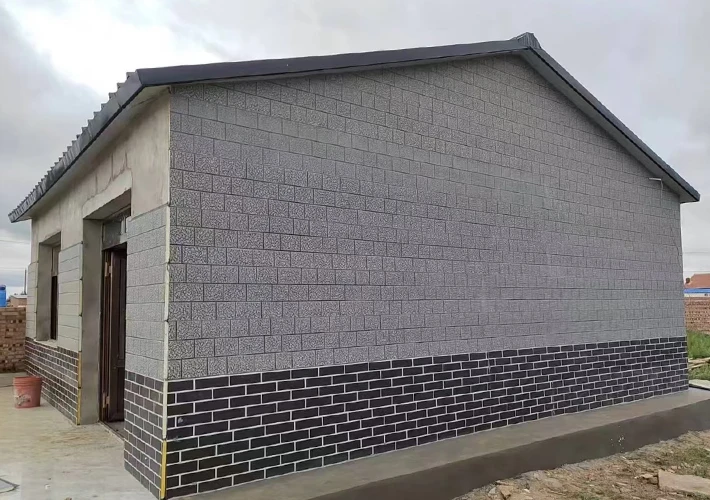
Common Applications of Metal Carved Siding
Because of its raw material advantages, metal carved siding is widely used in many industries.
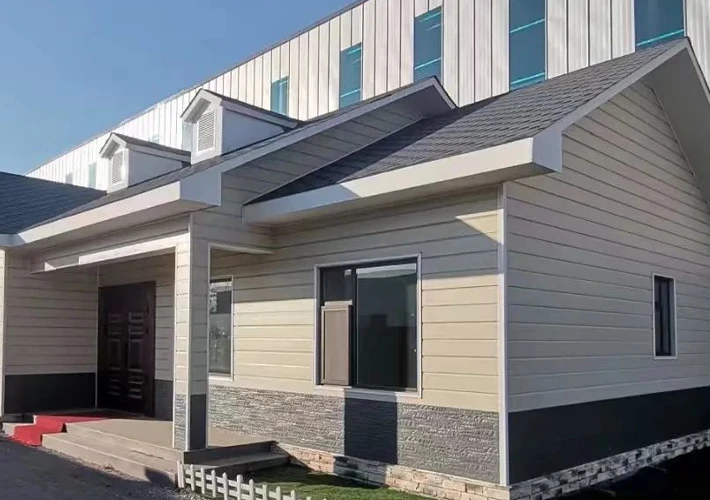
Residential Buildings
Applications include:
- Villas
- Modular homes
- Apartment renovations
Commercial Buildings
Used for:
- Hotels
- Shopping centers
- Office buildings
- Restaurants
Industrial Projects
Suitable for:
- Warehouses
- Factories
- Workshops
Prefabricated Buildings
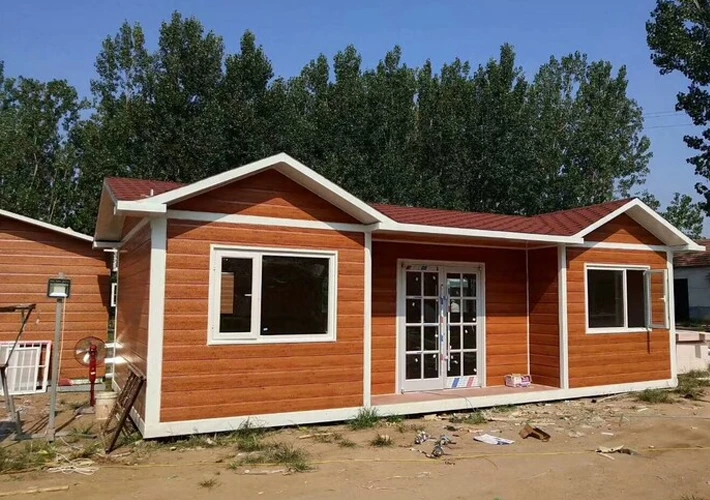
The lightweight structure makes it ideal for:
- Container houses
- Portable buildings
- Prefab construction
How to Choose High-Quality Metal Carved Siding
When sourcing metal carved siding, buyers should evaluate raw material specifications carefully.
Check Steel Thickness
Avoid extremely thin steel sheets that compromise durability.
Confirm Insulation Density
Higher-density PU foam generally means better quality.
Review Coating Type
For harsh climates, PVDF coatings are recommended.
Ask for Fire Test Reports
Always verify compliance with local standards.
Evaluate Manufacturer Capability
Reliable factories usually provide:
- Stable raw material sourcing
- Strict quality control
- OEM customization
- Export experience
Future Trends in Metal Carved Siding Raw Materials
As the construction industry evolves, raw materials are also improving.
Future development trends include:
- More eco-friendly insulation materials
- Better fireproof technologies
- Improved UV-resistant coatings
- Lightweight composite structures
- Recyclable materials
- Smart energy-saving panels
Global demand for sustainable building materials will continue driving innovation.
Conclusion
Metal carved siding is a sophisticated composite construction material made from multiple high-performance raw materials.
The main raw materials include:
- Color-coated galvanized steel sheets
- Polyurethane insulation foam
- Aluminum foil backing
- Protective coatings
- Adhesives
- Flame retardants
Each material plays a critical role in determining:
- Durability
- Thermal insulation
- Fire resistance
- Weather resistance
- Service life
- Decorative appearance
For importers, distributors, contractors, and developers, understanding these raw materials is essential when selecting reliable products and manufacturers.
As energy-efficient and prefabricated construction continues to grow worldwide, high-quality metal carved siding will remain one of the most important exterior wall solutions in modern architecture.