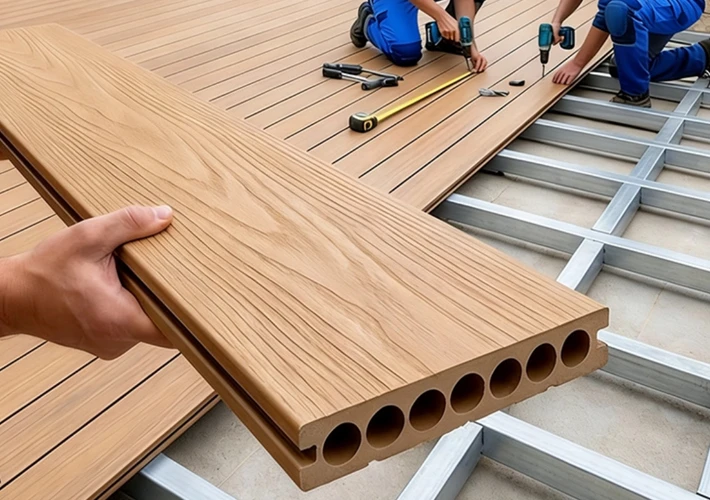
External composite cladding has become one of the most popular choices in modern architecture for both residential and commercial projects. With its sleek appearance, durability, and sustainability benefits, it offers a compelling alternative to traditional materials like wood, stone, or metal. However, like any building material, composite cladding also comes with its own set of drawbacks.
In this detailed guide, we’ll explore the pros and cons of external composite cladding, discuss its composition and applications, and explain why it has become a preferred solution for exterior decoration in contemporary design.
What Is External Composite Cladding?
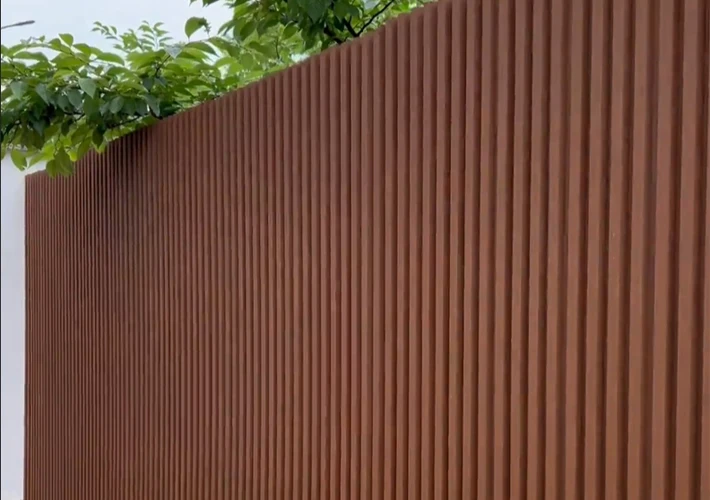
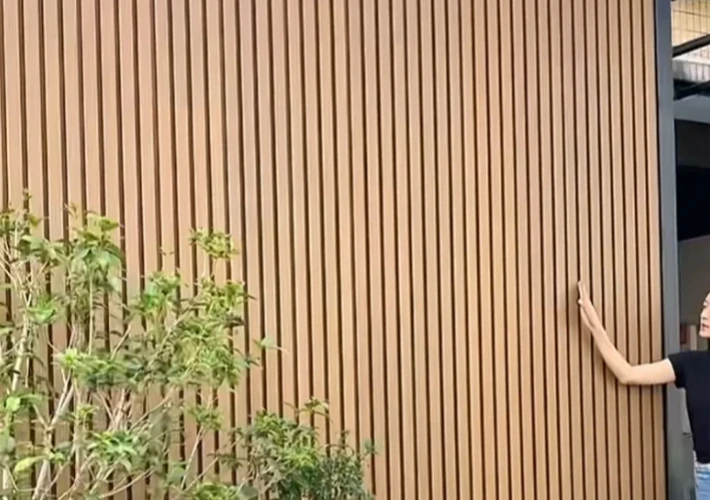
External composite cladding is a decorative and protective wall covering made from a blend of materials—usually wood fibers, plastics (such as polyethylene or PVC), and additives like stabilizers or pigments. The most common type is WPC (Wood Plastic Composite) cladding, which combines the natural look of wood with the durability of synthetic materials.
Composite cladding is mainly used for:
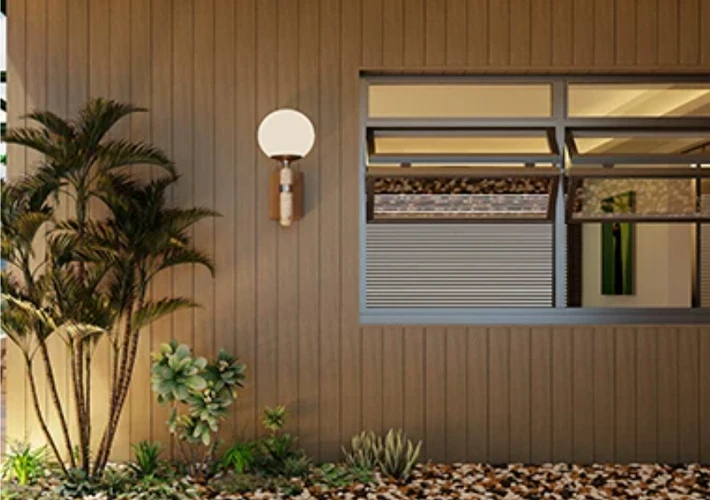
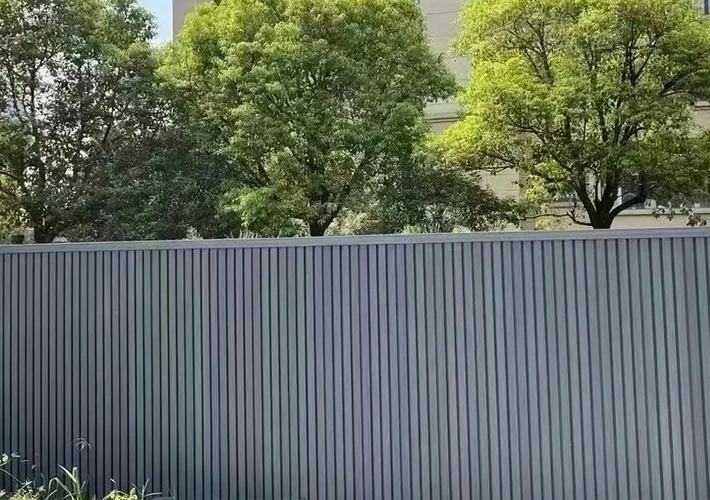
- Exterior walls of houses, villas, and commercial buildings
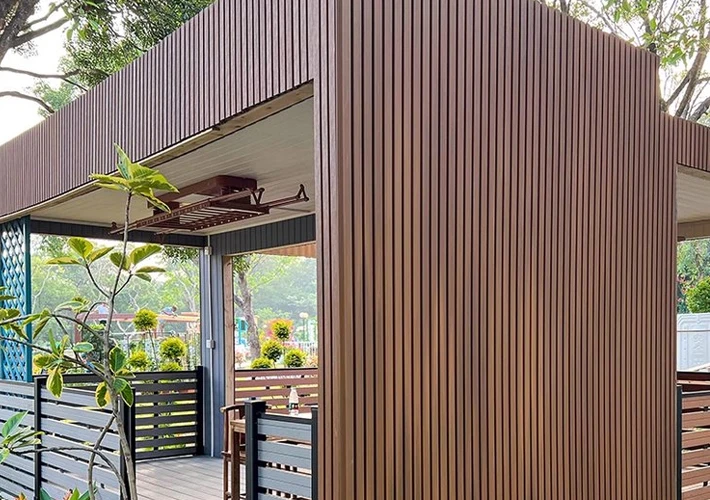
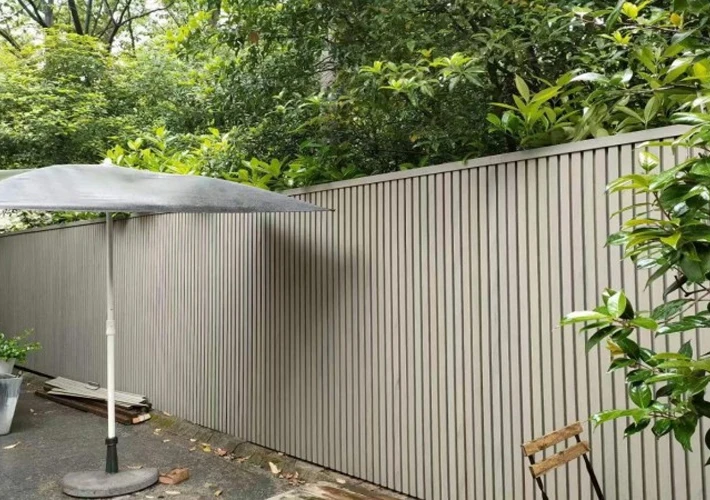
- Garden and outdoor structures (gazebos, fences, pergolas)
- Facades and ventilated wall systems
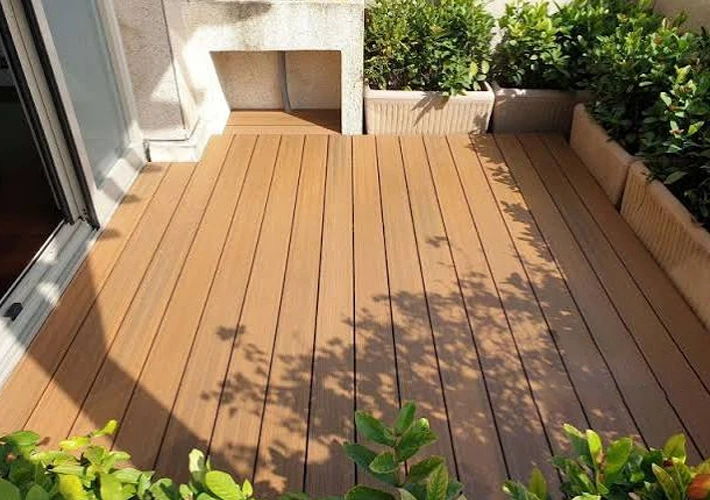
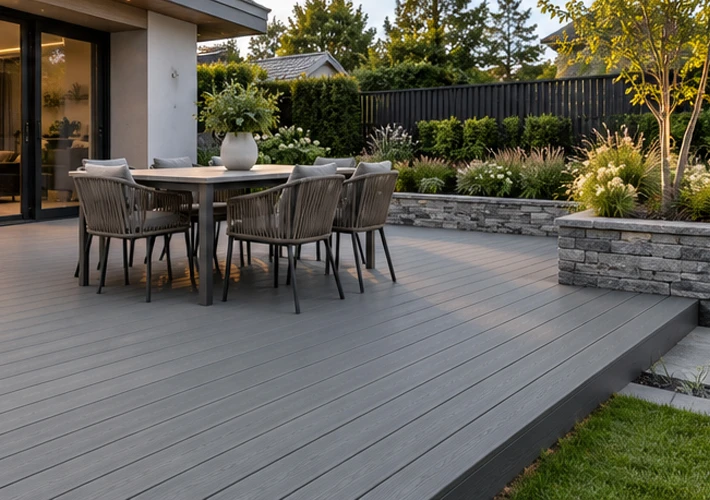
- Balcony or terrace decoration
Its design flexibility, weather resistance, and low maintenance requirements make it a perfect solution for modern architectural facades.
Composition of Composite Cladding
The exact formula may vary by manufacturer, but generally, external composite cladding includes:
| Component | Function |
|---|---|
| Wood fibers or flour (30–60%) | Provides a natural texture and rigidity |
| Plastic resin (30–50%) | Adds waterproofing, flexibility, and resistance to decay |
| Additives (5–10%) | Includes UV stabilizers, pigments, and anti-fungal agents to enhance performance |
The result is a material that mimics the look of natural timber but outperforms it in terms of durability and lifespan.
Advantages of External Composite Cladding
1.Excellent Durability
Composite cladding is engineered to withstand harsh outdoor conditions such as UV rays, heavy rain, and extreme temperature fluctuations. Unlike wood, it doesn’t warp, crack, or rot, even after years of exposure to sunlight and moisture.
For coastal or high-humidity environments, this durability is especially valuable, as the material resists mold and salt damage better than timber or fiber cement.
2.Weather and UV Resistance
One of the biggest benefits of composite cladding is its superior weather resistance. The surface is coated or co-extruded with a protective polymer layer that blocks harmful UV radiation, preventing fading or discoloration.
This means your building’s exterior maintains its vibrant color and modern look for years with minimal upkeep.
3.Low Maintenance Requirements
Traditional wood cladding needs periodic sanding, painting, and sealing. Composite cladding, on the other hand, is virtually maintenance-free.
A simple wash with soap and water is enough to remove dirt and debris, saving both time and long-term costs.
For commercial buildings or multi-family residences, this low maintenance translates into significant operational savings over time.
4.Aesthetic Versatility
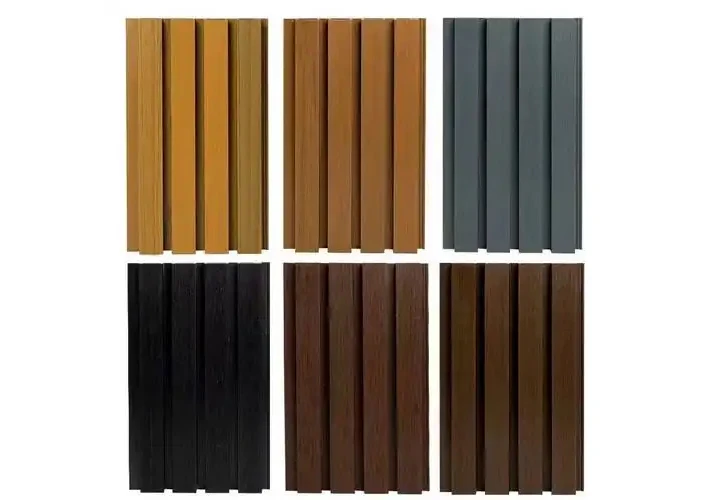
Composite cladding comes in a wide variety of colors, grains, and finishes, including wood-like textures that replicate oak, teak, walnut, and cedar. Some panels are designed with 3D embossed surfaces for a more realistic natural appearance.
Architects and designers appreciate its flexibility — whether your project calls for a modern minimalist look or a classic rustic style, composite cladding can match the vision.
5.Environmentally Friendly
Many high-quality WPC and composite cladding products are made from recycled materials, including reclaimed wood fibers and recycled plastics. This makes them a sustainable alternative to natural timber, reducing deforestation and waste.
Additionally, composite panels are 100% recyclable, supporting a circular economy model in the building industry.
6.Enhanced Insulation Performance
Composite cladding provides an extra layer of thermal and acoustic insulation, improving indoor comfort and reducing energy costs.
When used as part of a ventilated facade system, it helps regulate wall temperature, preventing heat loss in winter and heat gain in summer.
7.Fire Resistance (Depending on Type)
Certain composite cladding types are manufactured with fire-retardant additives that meet building safety standards. For example, some WPC panels achieve B1 or B2 fire rating, making them suitable for residential and low-rise commercial applications.
8.Quick and Easy Installation
Composite cladding systems typically feature interlocking or tongue-and-groove designs, simplifying installation and ensuring a seamless finish.
Installers can easily mount them on metal or wooden subframes using clips and screws, reducing labor costs and project time compared to brick or stone facades.
9.Cost-Effective in the Long Run
While the initial cost of composite cladding may be higher than traditional wood, the long-term savings from reduced maintenance, repairs, and repainting make it a cost-efficient investment.
Over 10–15 years, the total ownership cost of composite cladding is often lower than that of natural wood or fiber cement.
10.Moisture and Termite Resistance
Because of its polymer content, composite cladding is impervious to moisture and resistant to insect attacks, particularly termites and wood borers.
This makes it ideal for tropical, coastal, or humid climates where natural wood deteriorates quickly.
Disadvantages of External Composite Cladding
Despite its many advantages, composite cladding also has some limitations that should be considered before installation.
1.Higher Initial Cost
One of the most common drawbacks is the higher upfront cost compared to softwood cladding or vinyl siding.
However, when considering the material’s longevity and low maintenance, most building owners find the investment worthwhile in the long term.
2.Color Fading Over Time
Although high-quality co-extruded panels offer excellent UV protection, some fading may still occur after years of direct sunlight exposure—especially with darker tones.
This issue can be minimized by selecting UV-resistant brands and lighter shades that show less visible fading.
3.Limited Heat Resistance
Composite materials can expand slightly in high temperatures, leading to minor dimensional changes if not properly installed.
Therefore, professional installation with correct expansion gaps is essential to prevent warping or buckling in hot climates.
4.Non-Biodegradable Material
While composite cladding is recyclable, it is not biodegradable due to its plastic content. Improper disposal may still pose an environmental challenge if recycling facilities are unavailable.
5.Can Be Slippery When Wet
Certain smooth-finish panels may become slippery when wet, especially if used for decorative facades near walkways or balconies. Choosing embossed or textured finishes can help prevent this issue.
6.Possible Fading or Scratching
Some low-grade composite panels may be prone to surface scratches or minor discoloration if not properly protected during transport or installation.
To avoid this, always choose high-quality, co-extruded WPC cladding with a robust outer shell.
Comparison: Composite Cladding vs. Other Materials
| Feature | Composite Cladding | Natural Wood | Fiber Cement | Metal Cladding |
|---|---|---|---|---|
| Durability | Excellent | Moderate | Good | Excellent |
| Maintenance | Very Low | High | Moderate | Low |
| Weather Resistance | High | Low | High | High |
| Cost | Medium–High | Low–Medium | Medium | High |
| Aesthetics | Wood-like finish | Natural | Industrial | Modern |
| Environmental Impact | Recyclable | Renewable but deforestation | High energy use | High carbon footprint |
This comparison shows that composite cladding offers an optimal balance between performance, aesthetics, and sustainability.
Applications of External Composite Cladding
Composite cladding’s versatility makes it suitable for a wide range of architectural projects, including:
- Residential buildings: Villas, townhouses, and apartment facades
- Commercial properties: Office buildings, retail stores, shopping malls
- Hospitality sector: Hotels, resorts, and outdoor leisure spaces
- Public buildings: Schools, hospitals, and community centers
- Industrial applications: Warehouses and modular construction
It is also used for renovations, helping refresh old buildings with a modern, energy-efficient exterior.
Maintenance and Care Tips
Although composite cladding is low-maintenance, proper care ensures a longer lifespan and attractive appearance.
Routine maintenance includes:
- Cleaning every 3–6 months with mild detergent and water
- Avoiding high-pressure washers that could damage the surface
- Checking and tightening screws or clips annually
- Keeping ventilation gaps clear for air circulation
By following these steps, your composite cladding can retain its performance and beauty for 20–25 years or more.
How to Choose the Right Composite Cladding
When selecting external composite cladding, consider the following factors:
Material Composition: Opt for high wood fiber content (around 50–60%) for a natural look, or co-extruded options for enhanced durability.
Surface Finish: Choose between smooth, brushed, or embossed finishes based on aesthetic and slip-resistance needs.
Color Stability: Look for UV-stabilized and fade-resistant coatings.
Fire Rating: Verify compliance with local building codes.
Manufacturer Reputation: Choose reliable suppliers with proven export experience and product certifications like CE, ISO, or SGS.
The Future of Composite Cladding
With the construction industry’s increasing focus on sustainability, efficiency, and modern design, composite cladding is expected to continue growing in popularity.
According to market reports, the global composite cladding market is projected to reach over USD 8 billion by 2030, driven by urbanization and the demand for eco-friendly building materials.
Manufacturers are also investing in advanced co-extrusion technologies, producing cladding with enhanced UV stability, antibacterial coatings, and even self-cleaning properties.
Conclusion
External composite cladding offers an ideal balance between aesthetics, performance, and sustainability. Its weather resistance, low maintenance, and eco-friendly features make it a smart investment for modern construction projects.
However, buyers should also consider factors like initial cost, color stability, and installation quality to achieve the best long-term results.
If you’re a builder, architect, or wholesaler looking for high-quality composite cladding panels from China, partnering directly with an experienced factory ensures better pricing, customization options, and reliable export service.
Contact us today to learn more about our WPC and composite cladding solutions — designed to bring durability and beauty to every exterior wall.