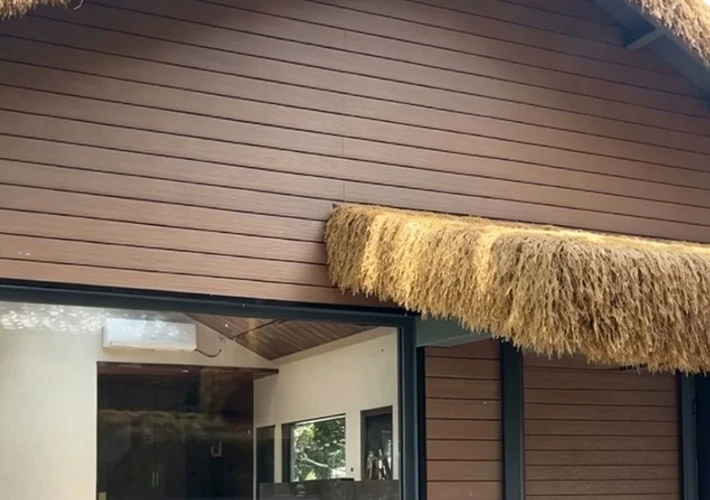
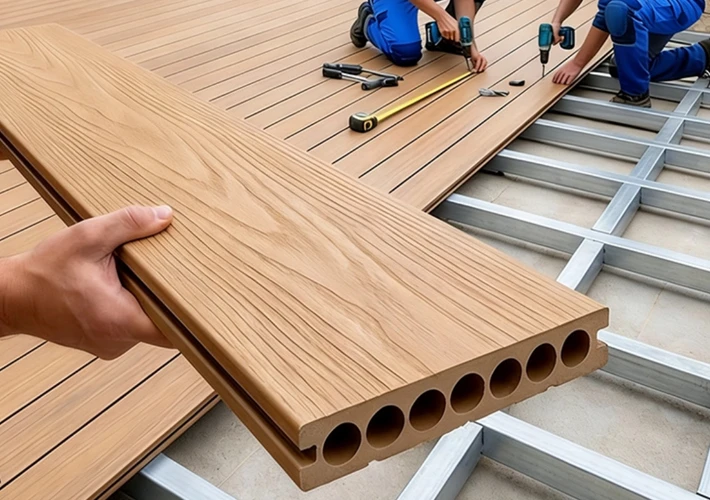
Composite wood cladding has become one of the fastest-growing exterior wall solutions in residential, commercial, and hospitality construction projects. Combining wood fibers with recycled plastics, composite cladding offers an attractive alternative to traditional timber due to its durability, low maintenance requirements, and modern appearance.
However, despite its many advantages, composite wood cladding is not a perfect material. Architects, builders, distributors, and project owners should fully understand its limitations before making purchasing decisions.
As a professional Chinese composite cladding manufacturer, Solidexwood believes that transparent product knowledge helps customers choose the right solution for each project. In this article, we explore the main disadvantages of composite wood cladding, compare them with traditional materials, and discuss how high-quality manufacturing can minimize many common concerns.
Understanding Composite Wood Cladding
Before discussing the drawbacks, it is important to understand what composite wood cladding actually is.
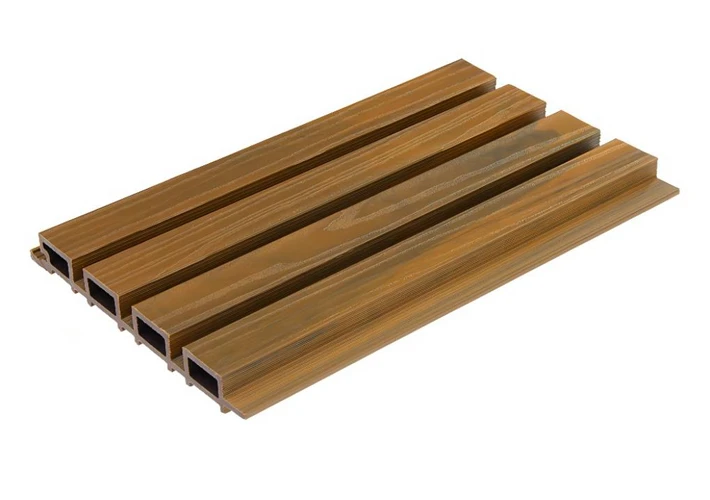
Composite wood cladding is generally manufactured from:
- Wood fibers or wood flour
- Recycled polyethylene (PE)
- Polypropylene (PP)
- PVC materials
- UV stabilizers
- Color pigments
- Anti-aging additives
The final product combines the natural appearance of wood with the durability of engineered materials.
Today, composite cladding is widely used in:
- Residential façades
- Villas
- Commercial buildings
- Hotels
- Resorts
- Office buildings
- Educational facilities
- Public infrastructure projects
The global composite cladding market continues to expand as demand for sustainable building materials increases.
Yet, no material is entirely free of disadvantages.
Higher Initial Cost Compared with Traditional Timber
One of the most frequently mentioned disadvantages of composite wood cladding is its higher upfront cost.
Material Cost
Compared with softwood timber cladding, composite cladding often costs:
| Material Type | Average Material Cost |
|---|---|
| Pine Cladding | Low |
| Cedar Cladding | Medium |
| Hardwood Cladding | High |
| Composite Cladding | Medium-High |
For developers focusing only on initial investment, composite materials may appear expensive.
Installation Cost
Composite cladding systems usually require:
- Hidden fastening systems
- Ventilation structures
- Aluminum battens
- Expansion gap calculations
This can increase installation complexity compared with basic timber siding.
Long-Term Perspective
Although the initial cost is higher, composite cladding often reduces:
- Maintenance expenses
- Painting costs
- Repair costs
- Replacement frequency
Over a 20–30 year lifecycle, many building owners find composite cladding more economical.
Thermal Expansion and Contraction
Another common disadvantage is thermal movement.
Because composite cladding contains plastic components, it expands and contracts when temperatures change.
Why It Happens
Plastic polymers react to temperature fluctuations more significantly than natural wood.
For example:
- Summer temperatures can exceed 50°C on exterior surfaces.
- Winter temperatures may fall below -20°C in some regions.
These changes cause measurable dimensional movement.
Potential Problems
Poor installation may result in:
- Warping
- Buckling
- Joint separation
- Distorted appearance
How Manufacturers Address This Issue
High-quality manufacturers like Solidexwood reduce expansion rates through:
- Optimized wood-plastic ratios
- Advanced extrusion technology
- Enhanced material formulations
- Strict production quality control
Proper installation also plays a crucial role.
Limited Natural Appearance Compared with Real Wood
While composite cladding successfully imitates timber, some architects still prefer the authenticity of natural wood.
Texture Differences
Real timber features:
- Unique grain patterns
- Natural knots
- Organic color variations
Composite cladding uses engineered textures that may repeat across boards.
Aging Characteristics
Natural wood develops a distinctive weathered appearance over time.
Composite cladding generally maintains a more consistent look throughout its service life.
Luxury Projects
For ultra-high-end architectural projects, designers may still choose:
- Teak
- Ipe
- Cedar
- Oak
due to their authentic natural aesthetics.
However, modern co-extrusion technology has significantly improved the realism of composite cladding surfaces.
Color Fading Over Time
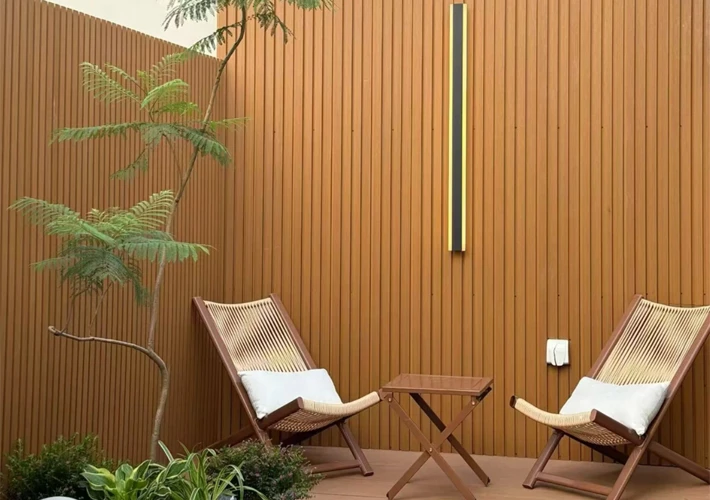
Although composite cladding is UV-resistant, some degree of color fading is unavoidable.
Causes of Fading
Continuous exposure to:
- Sunlight
- UV radiation
- Rain
- Environmental pollutants
gradually affects surface pigments.
Early Stabilization Period
Most composite products experience:
- 5%–10% color adjustment
- During the first 3–6 months
After this stabilization period, colors usually remain relatively stable.
Quality Differences
Low-quality products often experience:
- Severe fading
- Uneven discoloration
- Surface chalking
Premium manufacturers such as Solidexwood use:
- UV stabilizers
- ASA protective layers
- High-performance pigments
to improve color retention.
Lower Structural Strength Than Metal Cladding
Composite wood cladding is primarily a decorative façade material rather than a structural component.
Load-Bearing Limitations
Compared with:
- Aluminum cladding
- Steel panels
- Fiber cement boards
composite boards generally have lower structural strength.
Potential Risks
Improper use may lead to:
- Sagging
- Deflection
- Impact damage
especially in applications requiring high mechanical performance.
Recommended Use
Composite cladding performs best as:
- Ventilated façade systems
- Decorative wall coverings
- Architectural feature walls
rather than structural wall systems.
Potential Surface Scratching
Composite cladding is durable but not completely scratch-resistant.
Common Sources of Damage
Surface scratches may occur from:
- Construction equipment
- Moving furniture
- Sharp tools
- Heavy impacts
Visibility of Scratches
Dark-colored cladding often shows scratches more easily than lighter colors.
Prevention Methods
Professional installers should:
- Use protective coverings
- Handle boards carefully
- Avoid dragging materials during installation
Modern co-extruded products provide improved scratch resistance compared with first-generation composites.
Environmental Concerns Related to Plastic Content
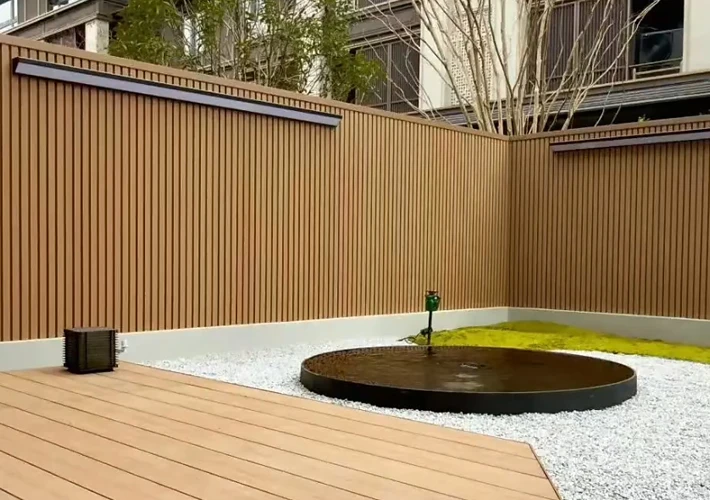
Composite wood cladding is often marketed as an environmentally friendly material.
While this is largely true, there are some sustainability concerns.
Plastic Dependency
Most composite products contain:
- Recycled PE
- Recycled PP
- PVC components
These materials originate from petrochemical sources.
Recycling Challenges
At the end of service life:
- Separation of wood and plastic can be difficult.
- Recycling systems vary by region.
Sustainability Balance
Despite these concerns, composite cladding typically offers:
- Reduced deforestation
- Longer lifespan
- Lower maintenance requirements
which often result in a favorable environmental profile compared with frequently replaced timber products.
Quality Variations Among Manufacturers
Perhaps the biggest disadvantage is not the material itself but the inconsistency between suppliers.
The global market contains thousands of composite cladding manufacturers with widely varying quality standards.
Common Problems with Low-Quality Products
Inferior products may suffer from:
- Cracking
- Warping
- Severe fading
- Delamination
- Poor fire performance
- Water absorption issues
What Buyers Should Evaluate
Before importing composite cladding, buyers should assess:
- Factory experience
- Production capacity
- Raw material quality
- UV resistance testing
- Fire rating certifications
- Warranty terms
- Export experience
Why Choosing the Right Factory Matters
A reputable manufacturer can eliminate many of the disadvantages discussed earlier.
At Solidexwood, our production system includes:
- Automated extrusion lines
- Strict raw material control
- UV aging testing
- Impact resistance testing
- Moisture resistance testing
- International export standards
This ensures stable product quality for distributors, wholesalers, contractors, and developers worldwide.
Are the Disadvantages Serious Enough to Avoid Composite Wood Cladding?
For most projects, the answer is no.
Every building material has limitations:
| Material | Main Disadvantages |
|---|---|
| Natural Wood | Rot, termites, maintenance |
| Fiber Cement | Heavy weight |
| Aluminum | Higher material cost |
| Stone | Expensive installation |
| Composite Cladding | Thermal expansion, higher initial cost |
The key is selecting the right material for the project requirements.
Composite wood cladding remains one of the best solutions when balancing:
- Appearance
- Durability
- Sustainability
- Maintenance costs
- Long-term value
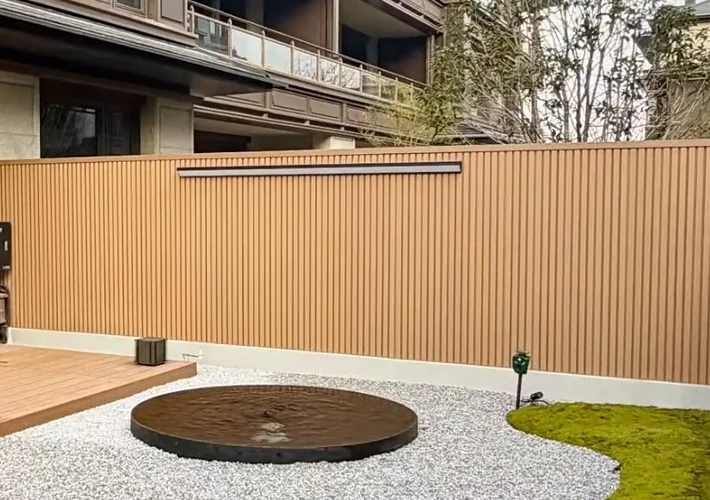
Conclusion
So, what are the disadvantages of composite wood cladding?
The most common drawbacks include:
- Higher upfront cost
- Thermal expansion and contraction
- Less authentic appearance than real wood
- Potential color fading
- Lower structural strength than metal
- Surface scratching risks
- Dependence on plastic materials
- Quality differences between suppliers
However, many of these concerns can be minimized through proper product selection and professional installation.
For architects, builders, importers, and distributors seeking a durable and attractive exterior cladding solution, high-quality composite wood cladding still offers significant long-term advantages over traditional timber.
As a leading Chinese manufacturer, Solidexwood provides premium composite wood cladding solutions engineered for international markets, helping customers achieve beautiful, low-maintenance façades with reliable long-term performance.
Whether you are sourcing for residential developments, commercial projects, hotels, or distribution networks, choosing the right manufacturing partner is the most effective way to overcome the potential disadvantages of composite wood cladding.
Contact Solidexwood today for product catalogs, free samples, OEM solutions, and wholesale pricing.