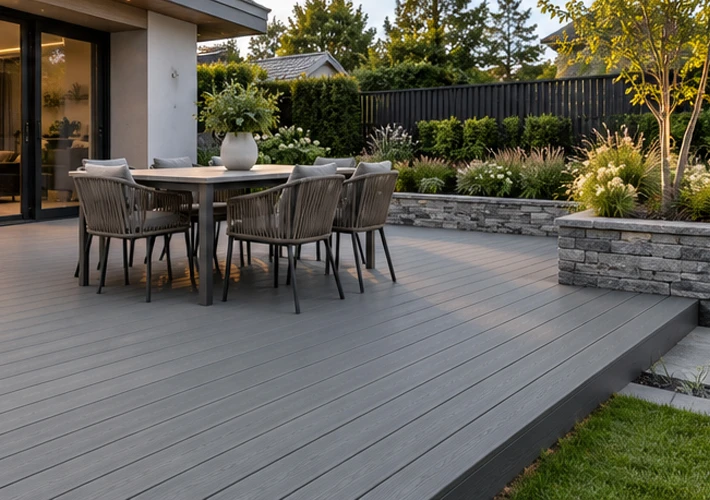
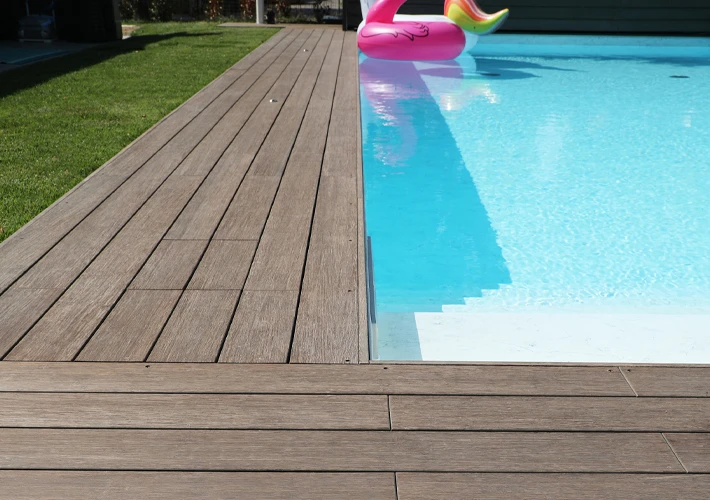
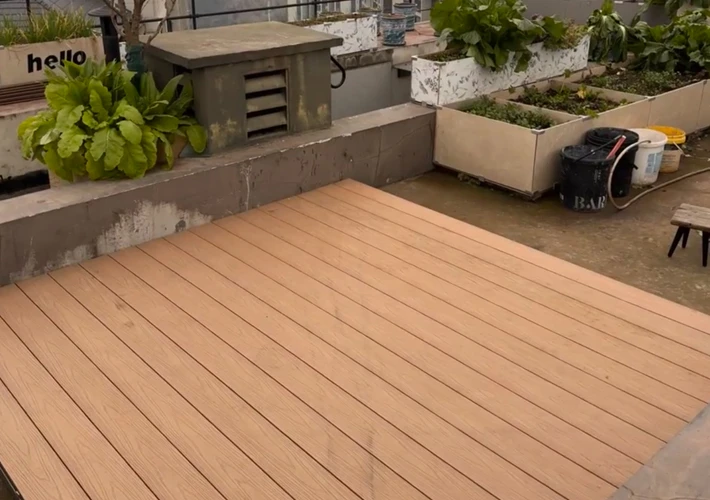
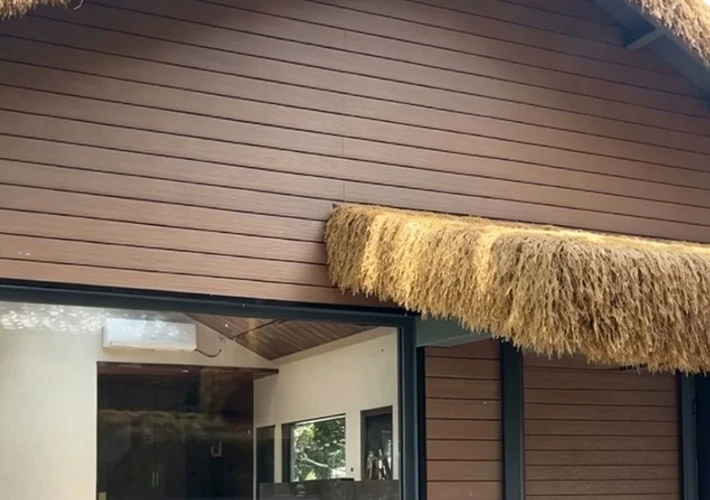
Wood Plastic Composite (WPC) decking has become one of the fastest-growing outdoor building materials worldwide. From residential patios in North America to commercial waterfront projects in Europe and resort developments in Southeast Asia, WPC decking is steadily replacing traditional timber.
As we move through 2026, distributors, importers, contractors, and developers are asking an important question:
Will WPC decking prices continue to rise, or has the market finally stabilized?
The answer is more nuanced than a simple increase or decrease.
Although the dramatic cost inflation seen during 2021–2023 has largely subsided, several factors continue to shape WPC decking prices in 2026, including raw material costs, freight rates, technological advancements, environmental regulations, and growing demand for premium composite products. Industry reports indicate that annual WPC price increases have moderated to roughly 3–5% in 2025–2026 after much steeper increases earlier in the decade.
In this article, SolidexWood provides a detailed analysis of the 2026 WPC decking price trend and practical insights for global buyers.
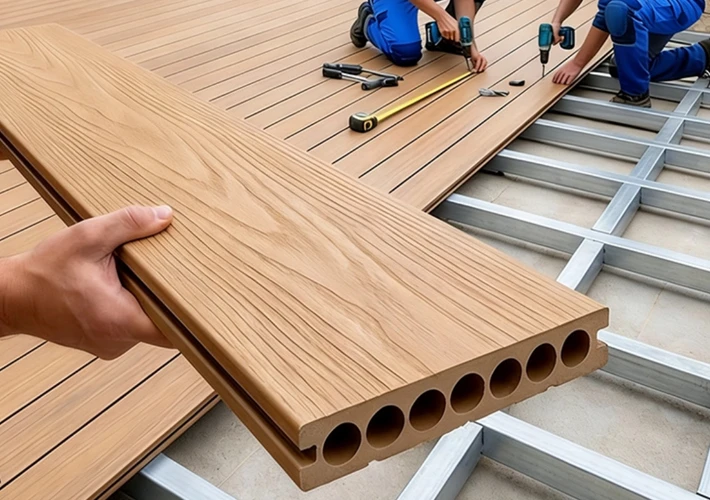
Why WPC Decking Demand Continues to Grow in 2026
The growing popularity of WPC decking is one of the primary reasons prices remain relatively strong despite increased production capacity.
Several factors are driving demand:
Low Maintenance Requirements
Traditional wood decks require:
- Annual staining
- Sanding
- Sealing
- Termite treatment
- Rot repair
By contrast, WPC decking requires only occasional cleaning.
This significantly reduces lifetime ownership costs.
Longer Service Life
High-quality composite decking typically lasts:
- 15–25 years for standard products
- 25–30+ years for premium co-extrusion products
This lifespan is considerably longer than many conventional timber decking materials.
Sustainability
Modern WPC decking utilizes:
- Recycled HDPE
- Recycled PE
- Recycled wood fiber
- Sustainable additives
As governments and consumers increasingly prioritize environmentally friendly construction materials, WPC products continue gaining market share.
Attractive Return on Investment
Many property owners find that although composite decking costs more initially than timber, the reduced maintenance and longer lifespan make it more economical over time. Community discussions and industry analyses continue to highlight this long-term value proposition.
Major Factors Affecting WPC Decking Prices in 2026
Understanding price drivers is essential for buyers evaluating suppliers and planning procurement budgets.
Raw Material Costs
Raw materials account for the largest portion of manufacturing costs.
Key materials include:
- Wood flour
- HDPE
- PE
- PP
- UV stabilizers
- Color pigments
- Coupling agents
Polyethylene and polypropylene typically represent a substantial share of total WPC material costs. After significant volatility earlier in the decade, plastic resin prices have become more stable, helping slow WPC price increases.
Energy Costs
WPC production requires:
- Drying systems
- Extrusion lines
- Cooling systems
- Surface treatment equipment
Electricity and fuel prices directly affect manufacturing costs.
Labor Costs
Labor expenses continue rising globally.
However, Chinese manufacturers maintain a competitive advantage through:
- Automation
- Production scale
- Integrated supply chains
- Manufacturing clusters
Transportation Costs
Ocean freight remains an important pricing factor.
Compared with the disruptions experienced during the pandemic years, global logistics have improved significantly, reducing pressure on imported WPC product prices.
Environmental Compliance
Many countries have strengthened environmental standards for construction materials.
Manufacturers investing in:
- Recycled materials
- Emission reduction
- Green manufacturing
may experience higher production costs but gain stronger market positioning.
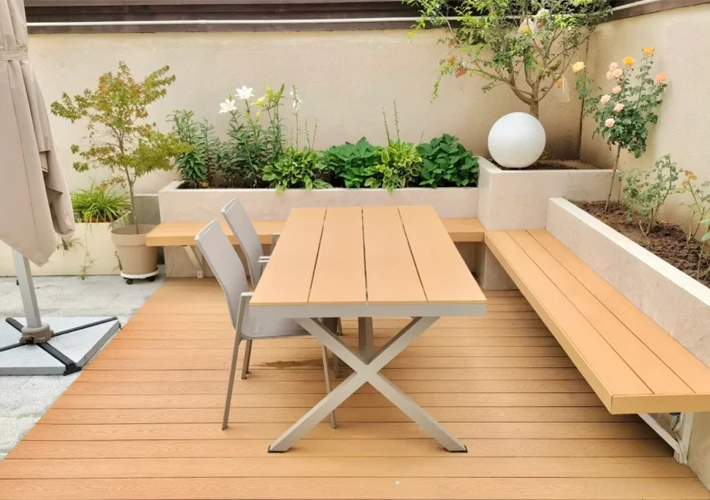
2026 Global WPC Decking Price Comparison
Prices vary significantly by region.
China Factory Pricing
Direct factory procurement remains the most cost-effective sourcing option.
Typical FOB China pricing in 2026:
| Product Type | FOB Price |
|---|---|
| Hollow WPC Decking | $9–13/m² |
| Solid WPC Decking | $13–19/m² |
| 3D Embossed Decking | $16–22/m² |
| Co-Extrusion Decking | $18–28/m² |
| Premium Deep Embossed Decking | $22–32/m² |
Southeast Asia
Material prices generally range from:
- $30–55/m² for standard decking
- $55–95/m² for capped decking
Europe
Average retail pricing:
- €55–95/m² for standard products
- €85–150/m² for co-extrusion decking
North America
Premium composite decking often reaches:
- $60–120/m² for standard capped products
- $100–160/m² for premium products
- $140–220/m² for major retail brands
These figures demonstrate why distributors increasingly source directly from China.
Which WPC Decking Products Will Experience the Highest Price Growth?
Not all product categories are affected equally.
Standard Hollow Decking
Price Trend: Stable
Expected Increase:
2–4% annually
This segment faces intense competition and substantial manufacturing capacity.
Solid Composite Decking
Price Trend: Moderate Growth
Expected Increase:
3–5% annually
Demand remains strong for commercial applications requiring higher load-bearing capacity.
Deep Embossed Decking
Price Trend: Strong Growth
Expected Increase:
5–7% annually
Consumers increasingly seek realistic wood grain textures that closely resemble natural timber. Demand for deep wood grain products has grown faster than basic WPC decking in developed markets.
Co-Extrusion Decking
Price Trend: Highest Growth
Expected Increase:
6–8% annually
Premium capped composite decking continues capturing market share because of:
- Better stain resistance
- Superior UV protection
- Enhanced scratch resistance
- Longer warranties
This category now represents a significant share of total composite decking sales in mature markets.
WPC Decking Price Forecast for 2026–2028
Most industry analysts expect continued but moderate price increases.
Several trends support this outlook.
Expanded Manufacturing Capacity
Chinese manufacturers continue investing in:
- High-output extrusion lines
- Automated packaging
- Advanced co-extrusion technology
Increased capacity helps limit aggressive price growth.
Stable Resin Markets
Plastic resin markets have normalized compared with previous years.
This reduces one of the largest historical causes of pricing volatility.
Rising Premium Product Demand
Although basic decking remains price-sensitive, buyers increasingly favor:
- Co-extrusion decking
- Deep embossed decking
- ASA capped decking
- Commercial-grade decking
Premium products support higher average selling prices.
Sustainability Investment
Future regulations may increase demand for:
- Recycled-content decking
- Carbon-conscious manufacturing
- Green-certified products
These trends could place upward pressure on premium product pricing.
Overall, WPC decking prices are expected to increase gradually rather than dramatically through 2028.
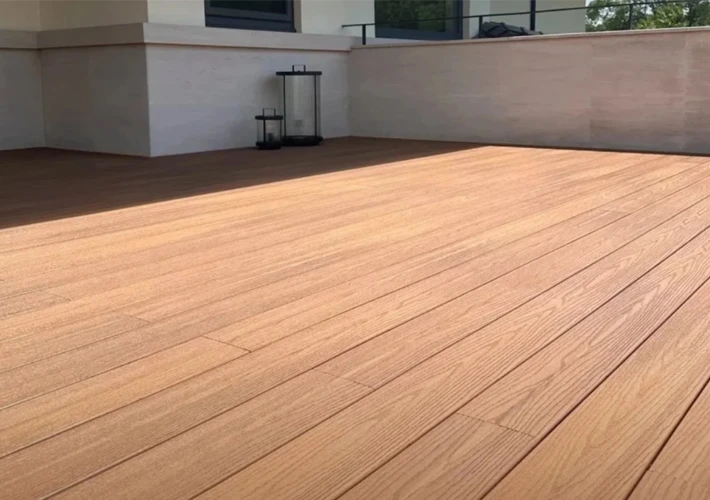
How Importers Can Reduce WPC Decking Procurement Costs
Successful distributors focus on total procurement strategy rather than unit price alone.
Buy Directly from Manufacturers
Factory-direct sourcing eliminates:
- Trading company margins
- Additional handling costs
- Communication layers
Consolidate Orders
Larger orders often provide:
- Better pricing
- Reduced freight costs
- More favorable payment terms
Standardize Product Specifications
Using consistent specifications simplifies:
- Inventory management
- Installation training
- Future procurement
Choose the Right Product Category
Not every project requires premium decking.
For example:
- Residential projects may benefit from hollow decking.
- Commercial projects may require solid or capped decking.
- Luxury projects often demand deep embossed co-extrusion products.
Matching product grade to project requirements avoids unnecessary costs.
Work with Experienced Export Manufacturers
Reliable suppliers help reduce:
- Quality risks
- Delivery delays
- Warranty claims
- Replacement costs
Why Global Buyers Choose SolidexWood
As a professional China WPC decking manufacturer, SolidexWood serves distributors, contractors, builders, and project developers worldwide.
Our advantages include:
Advanced Production Lines
- Automated extrusion systems
- Precision embossing technology
- Co-extrusion production capability
Stable Raw Material Supply
- Premium wood fiber
- High-quality recycled plastics
- Strict supplier qualification system
Extensive Product Portfolio
- Hollow decking
- Solid decking
- Deep embossed decking
- Co-extrusion decking
- Outdoor wall cladding
- WPC fencing systems
Global Export Experience
We support projects across:
- North America
- Europe
- Australia
- Southeast Asia
- Middle East
OEM and Private Label Services
For distributors seeking market differentiation, we provide:
- Customized colors
- Customized dimensions
- Custom packaging
- Brand labeling
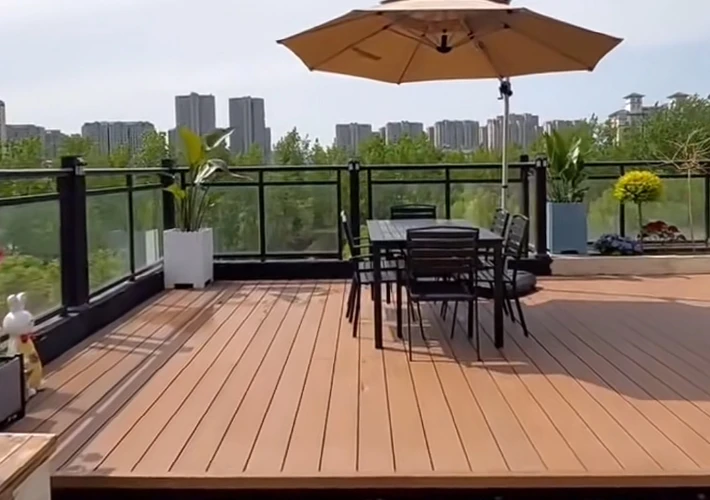
Conclusion
The 2026 WPC decking boards price trend reflects a maturing industry. While the rapid inflation experienced earlier in the decade has eased, prices continue to move upward gradually due to rising demand for premium products, sustainability initiatives, and ongoing investment in advanced manufacturing.
For distributors, importers, and project contractors, the best strategy is not simply finding the cheapest supplier. Instead, it is partnering with an experienced manufacturer capable of delivering consistent quality, competitive pricing, and reliable export support.
By sourcing directly from SolidexWood, buyers can significantly reduce procurement costs while gaining access to the latest WPC decking technologies, including deep embossed and co-extrusion decking systems designed for the global market.
Looking for wholesale WPC decking boards in 2026? Contact SolidexWood today for factory-direct pricing, free samples, and customized solutions for your market.