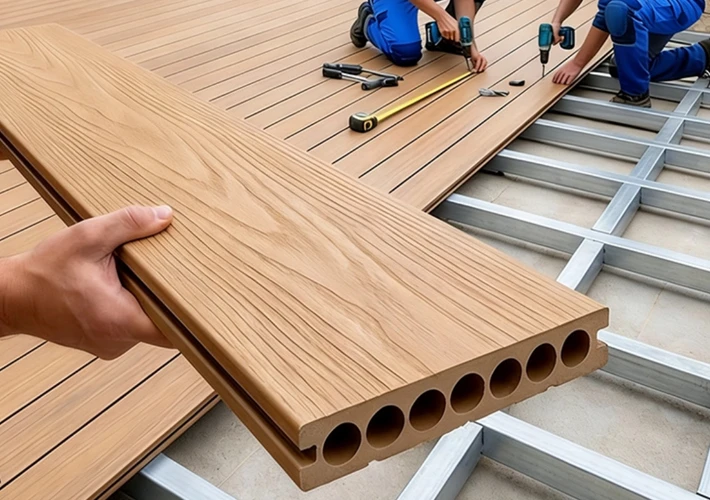
Choosing the right decking material is becoming increasingly important for distributors, contractors, builders, landscape companies and project developers. Traditional wood-plastic composite, commonly known as WPC decking, has been widely used for outdoor decks, gardens, balconies, walkways and commercial projects for many years. However, as outdoor building materials continue to evolve, newer generations of composite decking have entered the market.
One of these newer options is ASA composite decking.
ASA composite decking is designed to provide improved weather resistance, color stability and surface durability compared with traditional WPC decking. While both materials are designed as alternatives to natural wood, their structure, performance and long-term maintenance requirements can be significantly different.
For importers and wholesalers, understanding these differences is especially important. The right product choice can affect customer satisfaction, product positioning, warranty risks and long-term competitiveness in the local market.
As a professional composite decking manufacturer in China, Solidexwood supplies outdoor decking solutions for global distributors, wholesalers, contractors and project buyers. In this article, we compare ASA composite decking and traditional WPC decking from multiple perspectives to help buyers determine which option is better for different applications.
What Is Traditional WPC Decking?
Traditional WPC decking is an outdoor composite material generally produced by combining wood fibers or wood flour with thermoplastic materials and additives. The materials are mixed, compounded and then extruded into decking boards.
Compared with natural wood decking, WPC decking was developed to reduce some of the common problems associated with timber, including:
- Rotting
- Termite damage
- Frequent painting or staining
- Cracking and splitting
- High maintenance requirements
Traditional WPC decking can provide a wood-like appearance while offering improved resistance to moisture and insects.
Most WPC decking products are based on a composite core containing wood-based materials and plastic. Depending on the manufacturer and production technology, the exact formulation can vary.
There are generally two common categories:
First-generation WPC decking usually has an exposed composite surface. The entire board is made from the same composite material.
Capped WPC decking includes an additional protective layer around the composite core. This outer layer is designed to improve resistance to stains, moisture and UV exposure.
Traditional WPC remains a popular choice because it offers a balance between cost, appearance and outdoor performance.
However, long-term outdoor exposure can still create challenges, especially in regions with strong sunlight, high humidity, large temperature changes or heavy rainfall.
This is one reason why higher-performance composite materials such as ASA composite decking are becoming more attractive in the outdoor building materials market.
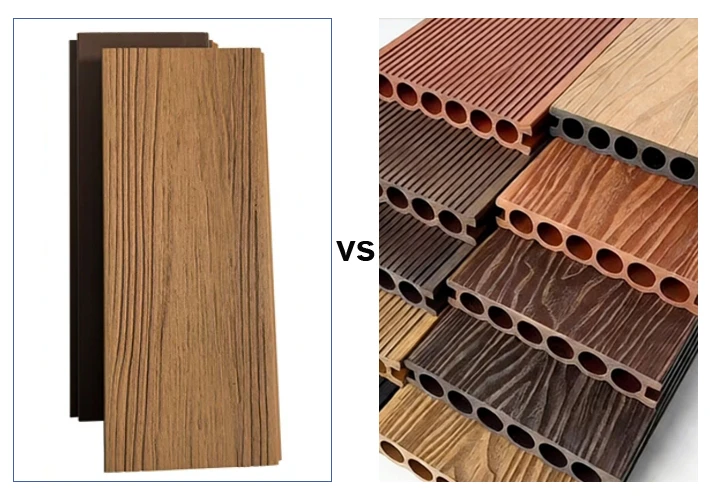
What Is ASA Composite Decking?
ASA composite decking is a newer generation of outdoor decking material that uses ASA, or acrylonitrile styrene acrylate, as an important surface material.
ASA is known for its strong weather resistance and UV stability. It has been used in applications where long-term exposure to sunlight, rain and changing outdoor conditions is a major consideration.
Compared with traditional composite decking, ASA composite decking is designed to provide a more stable protective surface.
At Solidexwood, ASA composite decking is positioned as a next-generation outdoor decking solution developed for demanding residential and commercial environments.
Its design focuses on several important performance areas:
- Improved UV resistance
- Better color stability
- Enhanced weather resistance
- Resistance to moisture
- Strong surface durability
- Low maintenance requirements
- Modern decorative finishes
Because outdoor decking is constantly exposed to environmental stress, the surface material plays a major role in determining how the product performs over time.
Strong sunlight can cause fading. Rainwater and humidity can affect traditional materials. Temperature changes may cause expansion and contraction. Dirt, food stains and outdoor contaminants can also affect appearance.
ASA composite decking is designed to address these challenges through a more advanced surface technology.
For distributors targeting premium outdoor markets, ASA decking can provide a higher-value alternative to standard WPC products.
ASA Composite Decking vs Traditional WPC Decking: Key Differences
Although ASA composite decking and traditional WPC decking may look similar at first glance, their construction and performance priorities are different.
The following table provides a general comparison.
| Feature | ASA Composite Decking | Traditional WPC Decking |
|---|---|---|
| Surface technology | ASA-based protective surface | Composite surface or capped surface |
| UV resistance | Excellent | Moderate to good, depending on product |
| Color stability | Higher long-term stability | May experience more fading |
| Weather resistance | Designed for demanding outdoor exposure | Suitable for normal outdoor environments |
| Moisture resistance | Excellent surface protection | Generally good |
| Surface durability | High | Moderate to high |
| Maintenance | Low | Low to moderate |
| Appearance | Modern and stable finishes | Natural wood-like appearance |
| Product positioning | Premium outdoor decking | Entry-level to mid-range market |
| Initial investment | Usually higher | Generally more economical |
The actual performance of any decking product depends on its formulation, production quality, installation method and local environmental conditions.
However, the biggest difference is generally the level of protection offered by the outer surface.
Traditional WPC relies on the performance of the composite material itself or on a capped layer. ASA composite decking uses a more advanced weather-resistant surface designed specifically for long-term outdoor applications.
For projects where appearance retention and weather resistance are major priorities, ASA composite decking can offer clear advantages.
Which Material Has Better UV and Weather Resistance?
One of the most important differences between ASA composite decking and traditional WPC decking is their response to outdoor weather.
Decking installed outdoors may be exposed to:
- Direct sunlight
- UV radiation
- Heavy rainfall
- Humidity
- Snow and ice
- Temperature fluctuations
- Dust and pollution
Over time, these conditions can affect the color and surface appearance of traditional outdoor materials.
Natural wood may fade, crack and require regular treatment. Traditional WPC reduces many of these maintenance problems, but prolonged UV exposure can still lead to gradual color changes.
ASA composite decking is designed with stronger weather resistance in mind.
The ASA surface helps protect the decking from outdoor environmental exposure and can improve long-term color stability.
This makes ASA decking particularly suitable for markets with:
- Strong sunlight
- Hot climates
- Coastal environments
- High humidity
- Long outdoor exposure periods
For example, distributors selling outdoor decking in Australia, Southeast Asia, the Middle East, Southern Europe or parts of North and South America may need materials capable of handling intensive sunlight and changing weather conditions.
Traditional WPC can still perform well in many applications. However, ASA composite decking is generally better positioned for projects where long-term weather resistance is a key purchasing requirement.
Color Stability and Appearance Over Time
For many customers, the appearance of decking is just as important as its structural performance.
A beautiful outdoor deck can become less attractive if the color fades significantly after several years of sunlight exposure.
Traditional WPC decking may experience color changes over time. The degree of fading depends on factors such as:
- Material formulation
- Pigment quality
- UV stabilizers
- Manufacturing process
- Local climate
- Amount of direct sunlight
Higher-quality capped WPC decking generally offers better color stability than basic uncapped WPC products.
However, ASA composite decking is designed to provide an additional level of protection.
The ASA surface can help maintain a more consistent appearance during long-term outdoor exposure.
This can be particularly valuable for commercial projects such as:
- Hotels and resorts
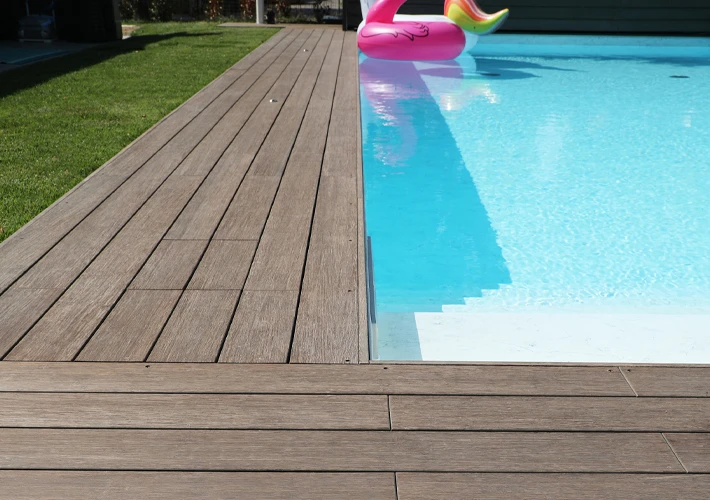
- Swimming pool decks
- Restaurants
- Public parks
- Outdoor shopping areas
- Residential developments
- Villas
- Rooftop terraces
For these projects, visual consistency is important because the decking may cover large areas.
If part of the decking fades significantly, replacing individual boards may create noticeable color differences.
ASA composite decking can therefore offer an advantage for buyers looking for a premium, long-lasting outdoor appearance.
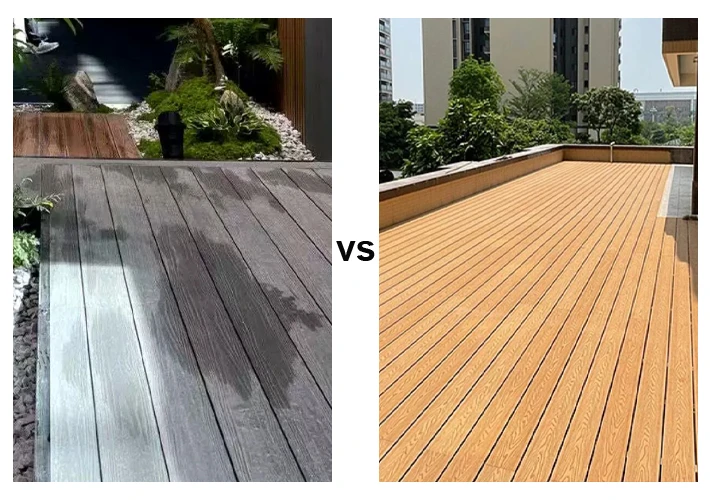
Durability, Moisture Resistance and Daily Maintenance
Both traditional WPC and ASA composite decking are designed to reduce the maintenance requirements associated with natural wood.
Unlike traditional timber decking, composite decking generally does not require frequent:
- Painting
- Sanding
- Staining
- Sealing
However, the level of durability can vary between different product technologies.
Traditional WPC decking provides good moisture resistance compared with natural wood. It can be suitable for gardens, patios, balconies and many residential applications.
Higher-quality capped WPC products can also provide improved protection against stains and water absorption.
ASA composite decking focuses on providing a more durable outer surface.
The protective ASA layer can help improve resistance to environmental exposure, surface wear and outdoor contamination.
For high-traffic areas, this can be an important advantage.
Examples include:
- Hotel walkways
- Resort decks
- Commercial terraces
- Poolside areas
- Public outdoor spaces
- Restaurant patios
Low maintenance is also an important selling point for distributors.
Homeowners and commercial property owners increasingly prefer building materials that do not require complicated maintenance schedules.
ASA composite decking can typically be cleaned using normal maintenance methods, depending on the specific product and manufacturer recommendations.
For wholesalers and distributors, offering a low-maintenance decking product can also help create a stronger value proposition compared with traditional timber products.
ASA Decking vs WPC Decking: Which Is Better for Different Applications?
There is no single decking material that is perfect for every project.
The best choice depends on the target market, customer budget, climate and application.
Residential Gardens and Balconies
Traditional WPC decking is often a practical choice for residential gardens and balconies.
It provides a wood-like appearance, requires relatively low maintenance and is generally more affordable than premium composite materials.
For customers looking for a cost-effective outdoor decking solution, traditional WPC may be sufficient.
However, ASA composite decking can be a better option for premium residential projects where long-term appearance and weather resistance are important.
Swimming Pool Areas
Poolside decking requires strong moisture resistance and durability.
The material may be exposed to:
- Water
- Humidity
- Strong sunlight
- Chlorinated water splashes
- High foot traffic
ASA composite decking can be an attractive solution for these environments because of its weather-resistant surface and long-term outdoor performance.
Proper product selection and installation are still essential for safety and durability.
Hotels and Resorts
Hotels and resorts require outdoor materials that combine appearance, durability and low maintenance.
Replacing damaged decking can create operational disruption and additional maintenance costs.
ASA composite decking is suitable for premium hospitality projects because it can provide a modern appearance and improved long-term weather resistance.
For large commercial projects, buyers should also consider:
- Project specifications
- Structural requirements
- Fire requirements
- Installation systems
- Local building regulations
Public and Commercial Projects
Public spaces often experience higher foot traffic than residential decks.
For commercial projects, durability and long-term appearance can be more important than the lowest initial purchase price.
ASA composite decking can provide a premium option for developers and contractors who want to reduce future maintenance requirements.
Budget-Sensitive Projects
Traditional WPC decking remains competitive for projects where price is the main purchasing factor.
Distributors can offer traditional WPC as an entry-level or mid-range product while positioning ASA composite decking as a premium upgrade.
This product segmentation strategy can help importers serve multiple customer groups.
Is ASA Composite Decking Worth the Higher Price?
One of the most common questions from buyers is whether ASA composite decking is worth the higher initial cost.
The answer depends on the project.
If the main objective is to achieve the lowest possible purchase price, traditional WPC decking will usually be the more economical choice.
However, initial purchase price is only one part of the total cost.
Buyers should also consider:
- Expected service life
- Maintenance requirements
- Replacement costs
- Appearance retention
- Customer satisfaction
- Warranty expectations
- Climate conditions
A cheaper decking material may create higher long-term costs if it requires more frequent replacement or generates customer complaints about fading and weathering.
For premium residential and commercial projects, investing in higher-performance decking may provide better long-term value.
From a distributor’s perspective, ASA composite decking can also create opportunities for higher-margin product positioning.
Instead of competing only on price, distributors can sell based on performance and technology.
A product portfolio that includes both traditional WPC and ASA composite decking can help wholesalers serve different market segments.
For example:
Traditional WPC Decking: Entry-level and price-sensitive projects.
Premium Capped WPC Decking: Mid-range residential and commercial projects.
ASA Composite Decking: Premium projects requiring strong weather resistance and long-term color stability.
This strategy allows distributors to create a complete outdoor decking product range.
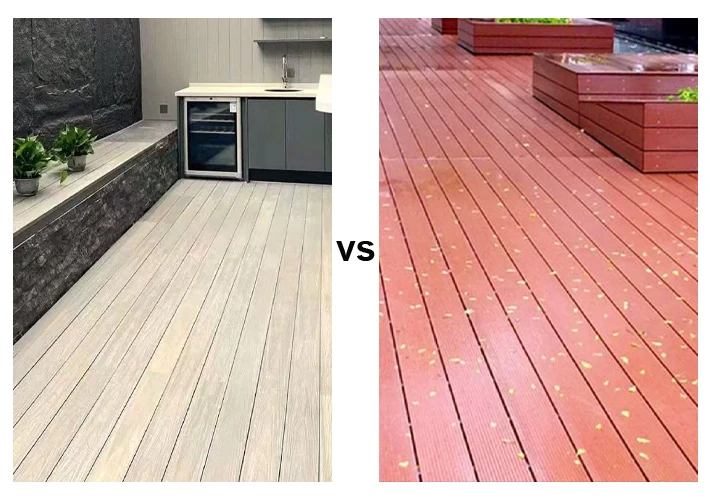
How to Choose Between ASA Composite Decking and Traditional WPC Decking
Before purchasing composite decking from a manufacturer, buyers should evaluate several important factors.
1. Target Market
Different markets have different requirements.
A distributor selling to budget-conscious residential customers may prioritize price.
A supplier targeting luxury villas, hotels or commercial projects may prioritize performance and appearance.
Understanding the target customer is the first step.
2. Local Climate
Climate can significantly affect decking performance.
Markets with intense sunlight, heavy rainfall or high humidity may benefit from higher weather resistance.
ASA composite decking can be particularly attractive in demanding outdoor environments.
3. Product Positioning
Importers should decide whether they want to compete mainly on price or offer premium products.
Traditional WPC is suitable for competitive pricing strategies.
ASA decking can help create a more premium product category.
4. Installation System
The decking board itself is only one part of the complete system.
Buyers should also evaluate:
- Joists
- Clips
- Screws
- Edge finishing
- Expansion gaps
- Installation accessories
A reliable manufacturer should be able to provide technical support for the complete decking system.
5. Manufacturer Experience
Product quality can vary significantly between suppliers.
Buyers should evaluate:
- Production capacity
- Raw material control
- Quality inspection
- Product testing
- Export experience
- Packaging standards
- OEM and customization capabilities
Working directly with an experienced Chinese manufacturer can provide greater flexibility in product specifications and private-label development.
Why Choose Solidexwood as Your ASA Composite Decking Manufacturer?
Choosing the right supplier is just as important as choosing the right decking material.
Solidexwood is a China-based manufacturer and supplier specializing in outdoor composite building materials.
We provide decking solutions for global:
- Importers
- Wholesalers
- Distributors
- Contractors
- Builders
- Project developers
- Outdoor product brands
Our product range includes advanced composite decking solutions designed for different market requirements.
Direct Factory Supply
Working directly with a manufacturer can help buyers improve supply chain efficiency and reduce unnecessary sourcing layers.
Solidexwood supports global B2B customers with factory-direct outdoor decking solutions.
OEM and Customization Support
Different markets may require different:
- Colors
- Surface textures
- Board profiles
- Dimensions
- Packaging
- Branding
OEM and private-label opportunities can help distributors build their own decking brands.
Products for Different Market Segments
Not every customer needs the same level of performance.
By offering multiple composite decking options, distributors can target different customer groups and price ranges.
ASA composite decking provides a premium option for customers who prioritize weather resistance, surface durability and long-term appearance.
Export-Oriented Service
As a Chinese manufacturer serving international customers, Solidexwood understands the requirements of overseas B2B buyers.
From product selection to packaging and shipment preparation, reliable communication and consistent quality control are essential for long-term cooperation.
Whether you are sourcing a container load for wholesale distribution or selecting materials for an outdoor construction project, working with a stable manufacturer can reduce sourcing risks.
Frequently Asked Questions About ASA Composite Decking and WPC Decking
Is ASA composite decking better than traditional WPC decking?
For UV resistance, weather resistance and long-term color stability, ASA composite decking generally offers higher performance. However, traditional WPC decking may be a better choice for budget-sensitive projects.
Does ASA composite decking fade?
All outdoor materials can experience some degree of appearance change over long periods. However, ASA composite decking is designed to provide improved resistance to UV exposure and better long-term color stability compared with many traditional composite decking products.
Is traditional WPC decking waterproof?
WPC decking generally offers good moisture resistance compared with natural wood. However, performance depends on the product structure, material formulation and installation quality. Proper drainage and ventilation should always be considered.
Which decking is better for hot climates?
ASA composite decking can be a strong option for hot and sunny climates because of its enhanced weather-resistant surface. Buyers should still select products based on local conditions and project requirements.
Can ASA composite decking be used around swimming pools?
ASA composite decking can be suitable for poolside applications due to its moisture resistance and outdoor durability. Buyers should confirm the specific product’s performance characteristics and installation recommendations before project use.
Is ASA composite decking more expensive than WPC decking?
ASA composite decking is generally positioned as a premium product and may have a higher initial cost than traditional WPC decking. However, the long-term value may be attractive for projects where weather resistance and appearance retention are important.
Can distributors purchase ASA decking directly from China?
Yes. Global importers and distributors can work directly with Chinese manufacturers such as Solidexwood for bulk purchasing, customized specifications, OEM services and international export supply.
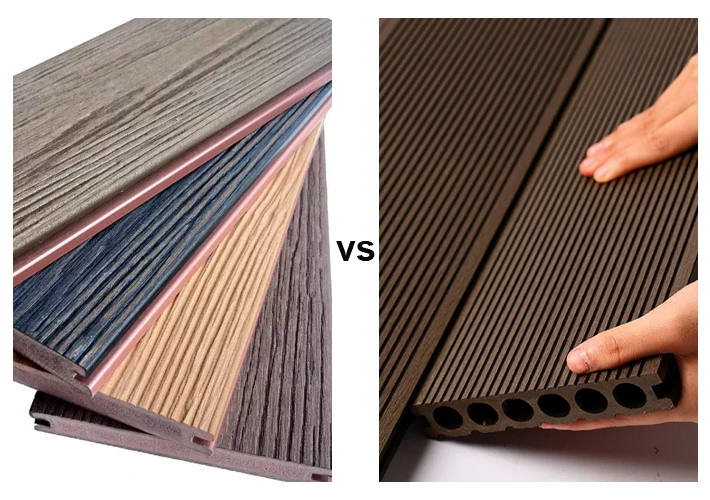
Conclusion: Which Decking Is Better?
When comparing ASA composite decking vs traditional WPC decking, the better option depends on the application, budget and performance expectations.
Traditional WPC decking remains a practical and cost-effective solution for many residential and commercial projects. It provides a wood-like appearance, improved moisture resistance and lower maintenance requirements compared with natural timber.
However, ASA composite decking represents a more advanced option for buyers who need stronger weather resistance, improved UV performance, better color stability and a premium outdoor appearance.
In simple terms:
- Choose traditional WPC decking if competitive pricing and standard outdoor performance are your main priorities.
- Choose ASA composite decking if you want a premium product with enhanced weather resistance and long-term appearance retention.
- Offer both products if you are a distributor looking to serve multiple customer segments.
For importers, wholesalers and project buyers, the best strategy is often not to choose only one product category. A complete decking portfolio can allow your business to meet the needs of budget projects, mid-range customers and premium commercial developments.
As outdoor living spaces continue to grow in popularity, demand for higher-performance and lower-maintenance decking materials is expected to remain strong.
Solidexwood is committed to providing reliable outdoor composite decking solutions for global B2B customers. From traditional composite decking to next-generation ASA composite decking, we support distributors, wholesalers and project buyers with factory-direct supply and flexible customization options.
If you are looking for a China ASA composite decking manufacturer, WPC decking supplier, or a reliable partner for OEM and wholesale projects, contact Solidexwood to discuss your product requirements, specifications and market needs.
Request a sample, product catalog or quotation today and discover the right composite decking solution for your market.