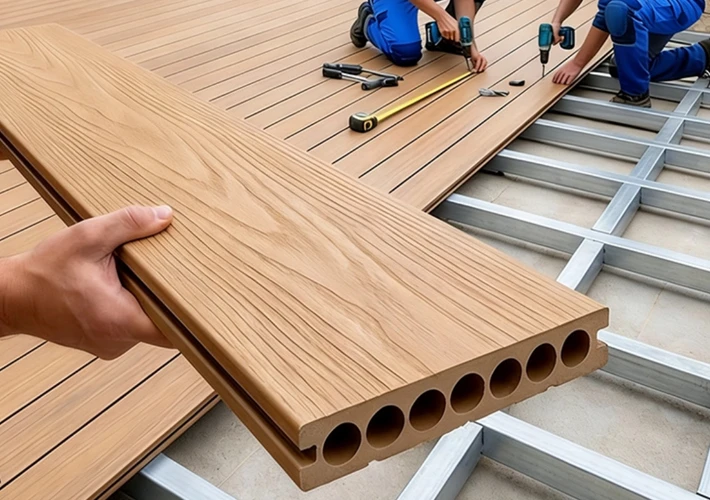
Composite cladding boards have become a widely used exterior and interior wall finishing material in residential, commercial, and industrial projects. They are often promoted as a modern alternative to natural wood, offering durability, low maintenance, and aesthetic flexibility. However, like any building material, composite cladding boards are not perfect.
In this article, we will take a realistic and in-depth look at the disadvantages of composite cladding boards, helping architects, contractors, distributors, and project owners make more informed decisions. As a China-based manufacturer and exporter, Solidexwood aims to provide transparent, professional insights based on production experience and global market feedback.
What Are Composite Cladding Boards?
Composite cladding boards are engineered materials made from a mixture of wood fibers (or wood flour) and plastic polymers, often combined with additives such as UV stabilizers, bonding agents, and color pigments. They are designed to mimic the appearance of natural wood while improving durability and resistance to weathering.
Common types include:
- WPC (Wood Plastic Composite) cladding
- PVC composite cladding boards
- Co-extrusion composite panels
- Hollow and solid profile cladding systems
They are widely used in:
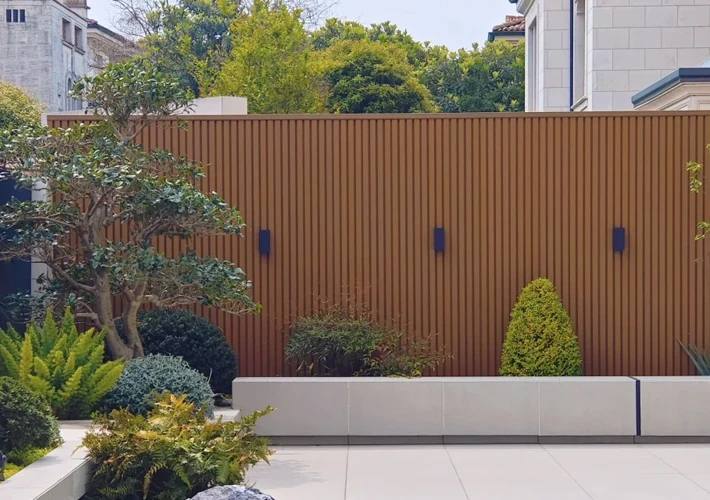
- Exterior wall decoration
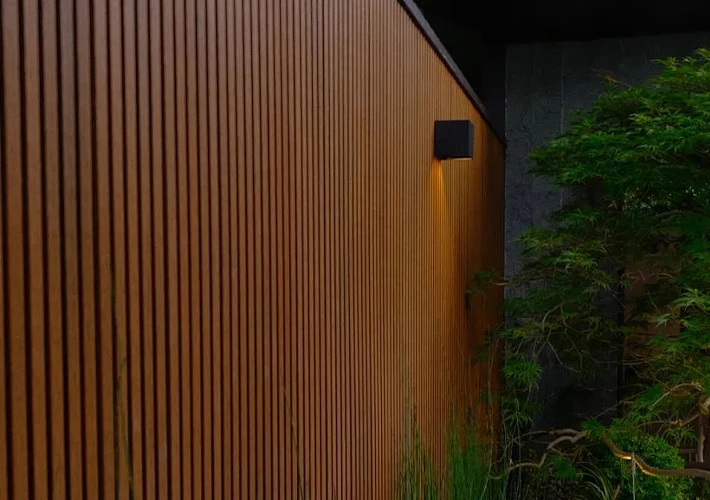
- Commercial building façades
- Residential villa exteriors
- Garden and landscaping projects
- Interior feature walls in some cases
Despite their popularity, composite cladding boards still come with several limitations that should not be ignored.
Key Disadvantages of Composite Cladding Boards
Although composite cladding is often marketed as a “perfect alternative” to wood, in real-world applications it has several disadvantages that affect performance, aesthetics, and long-term cost.
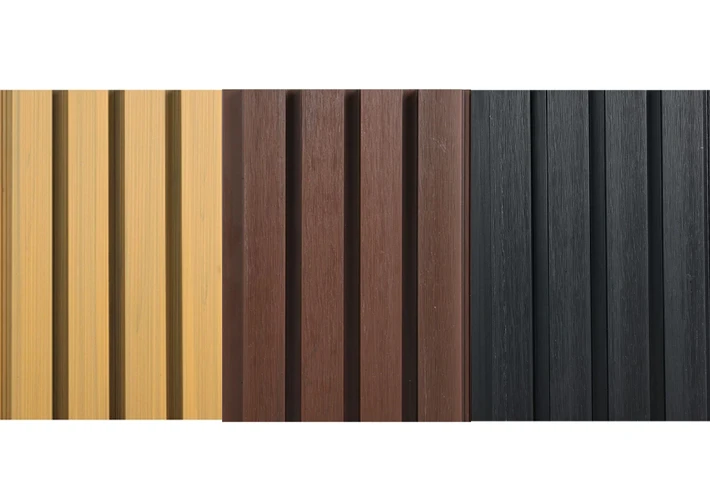
1. Not Fully Natural in Appearance
Even with advanced embossing and co-extrusion technology, composite cladding boards cannot fully replicate the natural grain, depth, and texture of real wood.
- The surface pattern is repetitive
- The texture lacks natural variation
- Under strong sunlight, it may appear artificial or plastic-like
For high-end architectural projects, this can reduce visual authenticity compared to natural hardwood or stone-based cladding.
2. Color Fading Over Time
One of the most common complaints from overseas buyers is color fading.
Even with UV stabilizers:
- Prolonged sun exposure causes gradual fading
- Dark colors fade faster than light tones
- Coastal or high-UV regions accelerate aging
This means façade uniformity may be affected after 2–5 years depending on environmental conditions.
3. Thermal Expansion and Contraction
Composite materials are sensitive to temperature changes.
- Expansion in hot weather
- Contraction in cold conditions
- Potential warping or slight deformation if installation gaps are not properly designed
This is especially important in regions with extreme temperature differences between day and night or across seasons.
Performance Limitations in Real Applications
While composite cladding boards are designed for durability, there are still performance-related disadvantages that must be considered.
1. Heat Retention and Surface Temperature
Composite materials tend to absorb and retain heat more than traditional stone or ceramic materials.
- Surface becomes hot under direct sunlight
- Not ideal for touch-sensitive areas (e.g., low-wall gardens, playgrounds)
- Can slightly increase building façade temperature in hot climates
This is a critical factor in tropical and desert regions.
2. Scratch and Impact Resistance Limitations
Compared with materials like fiber cement or metal panels:
- Composite cladding is relatively softer
- Can be scratched by sharp objects
- Heavy impact may leave visible marks
Although co-extrusion layers improve resistance, they do not eliminate the issue completely.
3. Moisture and Mold Risk in Low-Quality Products
High-quality composite boards are moisture-resistant, but lower-grade products may still:
- Absorb water through micro-gaps
- Develop surface mold in humid environments
- Experience swelling at cut edges if not sealed properly
This makes supplier selection extremely important.
Installation and Maintenance Challenges
Composite cladding boards are often marketed as “easy to install,” but in practice, installation quality directly impacts long-term performance.
1. Strict Installation Requirements
Improper installation can lead to serious issues such as:
- Uneven expansion gaps
- Panel deformation
- Loose fixing systems
- Noise from thermal movement
Professional installation is required, especially for large façade projects.
2. Hidden Fixing Systems Require Precision
Many modern cladding systems use hidden clips or fasteners. While visually clean, they require:
- Accurate alignment
- Proper spacing calculations
- Skilled labor teams
This increases dependency on experienced installers.
3. Difficult Repairs After Installation
If damage occurs:
- Individual board replacement can be complicated
- Color matching may be difficult if batch production differs
- Surrounding panels may need partial disassembly
This is less convenient compared to modular or tile-based systems.
Cost Considerations and Lifecycle Limitations
At first glance, composite cladding boards appear cost-effective. However, long-term analysis reveals some hidden cost disadvantages.
1. Initial Cost vs. Long-Term Replacement
While cheaper than natural hardwood in many cases:
- High-quality composite boards are still mid-range in price
- Lower-cost options may require earlier replacement
- Color fading and wear may reduce aesthetic lifespan
2. Maintenance Savings Are Sometimes Overestimated
Composite cladding is often labeled “maintenance-free,” but in reality:
- Regular cleaning is still required
- Surface stains may need special cleaning agents
- Mold or dust buildup in humid regions requires attention
3. Lifespan Variability
Depending on quality:
- Low-end products: 5–10 years
- Mid-range products: 10–15 years
- High-end co-extrusion products: 15–25 years
This variability makes project planning less predictable.
Comparison with Alternative Cladding Materials
To better understand the disadvantages of composite cladding boards, it is useful to compare them with alternative materials.
1. Natural Wood Cladding
Advantages over composite:
- Authentic appearance
- Natural aging aesthetic
- Higher architectural value
Disadvantages of composite in comparison:
- Less natural texture
- Artificial visual consistency
- Lower premium perception
2. Fiber Cement Boards
Fiber cement offers:
- Higher fire resistance
- Better dimensional stability
- Stronger impact resistance
Composite boards are weaker in:
- Fire performance
- Structural rigidity
- Long-term outdoor durability in extreme climates
3. PVC Cladding Panels
PVC is:
- More waterproof
- More stable in humid environments
- Often cheaper
However, composite boards still win in:
- Wood-like appearance
- Environmental perception
- Premium architectural applications
How to Reduce Disadvantages When Using Composite Cladding
Despite the limitations, composite cladding boards can still perform very well if properly selected and installed.
1. Choose High-Quality Co-Extrusion Technology
Co-extrusion boards provide:
- Better UV resistance
- Stronger surface protection layer
- Improved scratch resistance
- Longer lifespan
2. Ensure Professional Installation Design
Key points include:
- Correct expansion gaps
- Proper ventilation behind cladding
- High-quality fastening systems
- Accurate structural alignment
3. Select Appropriate Colors for Climate
- Light colors: better for hot climates, less fading visible
- Dark colors: better for modern aesthetics but more heat absorption
4. Work with Reliable Manufacturers
Factory control is critical. Poor production standards often cause most performance issues.
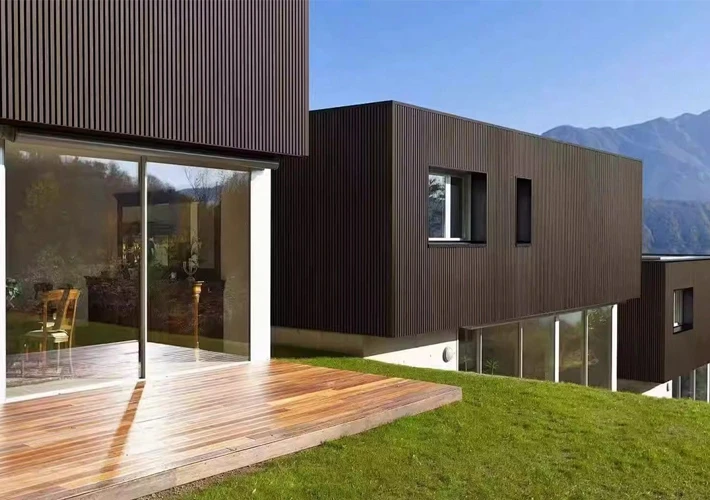
Why Choose Solidexwood as Your Composite Cladding Supplier
As a professional China-based manufacturer, Solidexwood focuses on producing stable-quality composite cladding boards for global B2B clients, including distributors, contractors, and project developers.
Our Advantages:
- Factory-direct pricing for global wholesalers
- Strict raw material selection and quality control
- Advanced co-extrusion production lines
- Stable color consistency across batches
- Export experience for Europe, Middle East, Southeast Asia, and North America
We understand that composite cladding boards have limitations, which is why we continuously improve:
- UV resistance performance
- Surface durability technology
- Moisture resistance systems
- Installation compatibility designs
Our goal is to provide more reliable, longer-lasting cladding solutions for international construction projects.
Conclusion
Composite cladding boards are a popular modern building material, but they are not without disadvantages. Issues such as color fading, thermal expansion, installation sensitivity, and performance limitations in extreme environments should be carefully considered before selection.
However, with the right product quality, proper installation, and reliable manufacturing support, these disadvantages can be significantly reduced.
As a professional supplier, Solidexwood continues to focus on delivering improved composite cladding solutions that balance aesthetics, durability, and cost-effectiveness for global B2B markets.
If you are sourcing composite cladding boards for your project or distribution business, choosing the right manufacturer is the key to minimizing risks and maximizing long-term value.