Introduction
In today’s global construction and exterior decoration market, PVC vinyl siding panels have become one of the most widely used cladding materials for residential, commercial, and industrial buildings. Especially in regions like North America and Europe, vinyl siding has long been a dominant solution due to its affordability, durability, and ease of installation.
For builders, distributors, and project contractors seeking cost-effective and scalable façade solutions, PVC vinyl siding offers a compelling alternative to traditional materials such as wood, brick, or fiber cement. As a professional Chinese manufacturer, solidexwood has witnessed firsthand the increasing international demand for high-quality vinyl siding panels, particularly in large-scale construction and renovation projects.
However, like any building material, PVC vinyl siding panels come with both advantages and disadvantages. Understanding these factors is essential for B2B buyers to make informed procurement decisions and ensure long-term project success.
In this comprehensive guide, we will explore the pros and cons of PVC vinyl siding panels, analyze their performance across different applications, and provide insights from a manufacturer’s perspective to help you choose the right solution.
What Are PVC Vinyl Siding Panels?
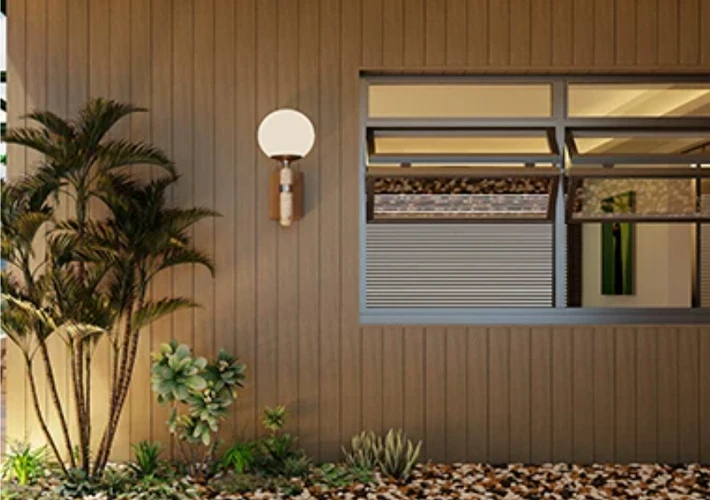
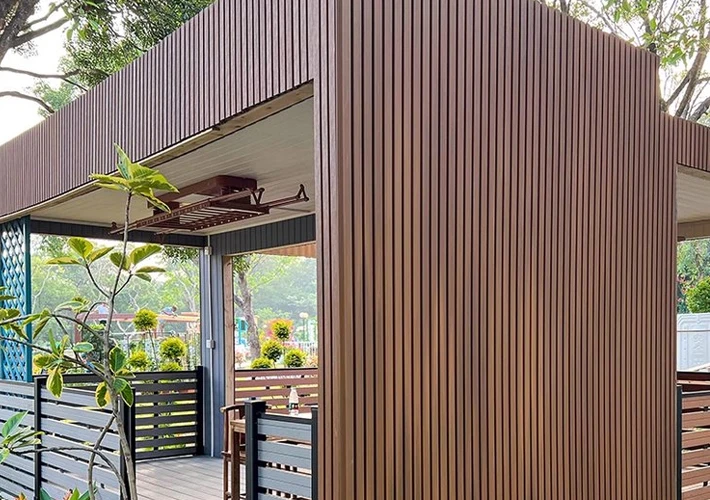
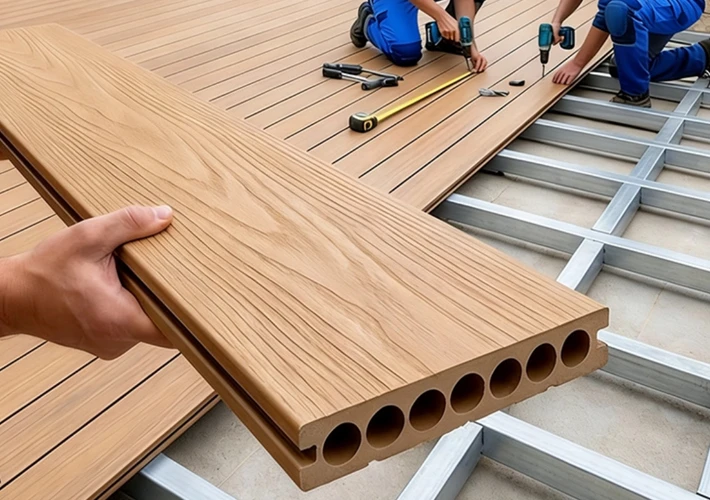
PVC vinyl siding panels are exterior cladding materials made primarily from polyvinyl chloride (PVC) resin. They are engineered to mimic the appearance of traditional materials such as wood planks while offering enhanced durability and lower maintenance requirements.
Key Features:
- Lightweight yet strong
- Weather-resistant
- Available in various colors and textures
- Easy installation with interlocking systems
- Low maintenance compared to wood or metal siding
PVC siding panels are commonly used in:
- Residential housing
- Commercial buildings
- Hotels and resorts
- Modular and prefabricated structures
From a manufacturing standpoint, companies like solidexwood utilize advanced extrusion technology, UV-resistant coatings, and strict quality control systems to ensure consistent product performance for global markets.
Advantages of PVC Vinyl Siding Panels
1.Cost-Effective Solution for Large Projects
One of the most significant advantages of PVC vinyl siding is its affordability. Compared to materials like natural wood or stone, vinyl siding offers a much lower upfront cost.
For B2B buyers such as:
- Importers
- Wholesalers
- Construction contractors
This translates into:
- Lower procurement costs
- Higher profit margins
- Competitive pricing in local markets
Additionally, Chinese factories like solidexwood provide factory-direct pricing, OEM/ODM services, and scalable production capacity, making bulk purchasing even more economical.
2.Low Maintenance Requirements
Unlike wood siding, which requires regular painting, sealing, and treatment, PVC vinyl siding is virtually maintenance-free.
Key Benefits:
- No repainting needed
- Resistant to rot, mold, and insects
- Easy cleaning with water or mild detergent
This is particularly advantageous for:
- Property developers
- Hotel operators
- Facility managers
Reduced maintenance costs over time make vinyl siding a highly attractive long-term investment.
3.Excellent Weather Resistance
PVC vinyl siding panels are designed to withstand various environmental conditions, including:
- Heavy rain
- Strong winds
- UV exposure
- Temperature fluctuations
High-quality panels from solidexwood are manufactured with UV stabilizers that prevent fading and degradation, ensuring long-lasting exterior aesthetics.
4.Wide Range of Designs and Colors
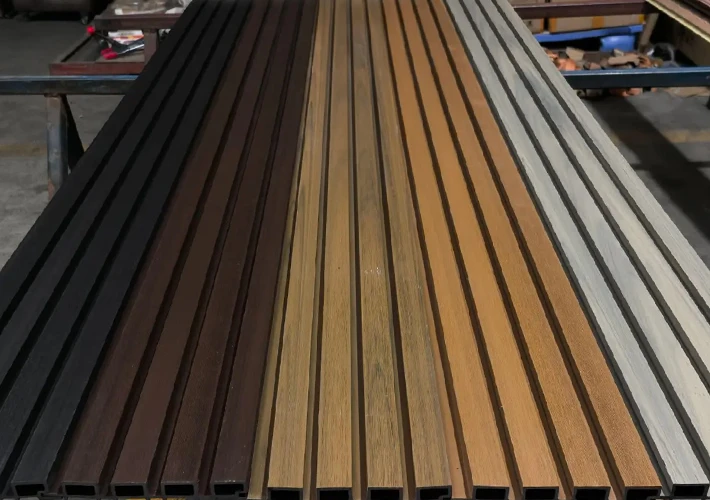
Modern vinyl siding panels come in a variety of styles, including:
- Wood grain textures
- Smooth finishes
- Horizontal and vertical panels
- Decorative trims and accessories
This versatility allows architects and designers to achieve different aesthetic goals while maintaining cost efficiency.
5.Easy Installation and Labor Savings
PVC vinyl siding features an interlocking system that simplifies installation.
Advantages:
- Faster project completion
- Reduced labor costs
- Minimal need for specialized tools
For large-scale construction projects, this efficiency can significantly impact timelines and overall budgets.
6.Lightweight and Easy Transportation
Compared to traditional materials like brick or stone, PVC siding panels are lightweight.
This results in:
- Lower shipping costs
- Easier handling on-site
- Reduced structural load on buildings
For international buyers, especially those importing from China, this is a major logistical advantage.
7.Eco-Friendly and Recyclable Options
While PVC is a synthetic material, many manufacturers now offer recyclable vinyl siding products.
At solidexwood, we focus on:
- Reducing production waste
- Using eco-friendly additives
- Supporting sustainable construction practices
This aligns with global trends toward green building materials.
Disadvantages of PVC Vinyl Siding Panels
1. Limited Heat Resistance
PVC vinyl siding can be sensitive to high temperatures.
Potential Issues:
- Warping in extreme heat
- Melting if exposed to direct flame or intense heat sources
This makes it less suitable for:
- Industrial facilities with high heat exposure
- Areas prone to wildfires
2. Susceptibility to Cracking in Cold Weather
In extremely cold climates, lower-quality vinyl siding may become brittle and prone to cracking.
However, premium-grade panels from manufacturers like solidexwood are engineered to maintain flexibility even in low temperatures.
3. Environmental Concerns
PVC production involves chemicals that may raise environmental concerns.
Key considerations:
- Non-biodegradable material
- Recycling infrastructure varies by region
That said, advancements in manufacturing are helping to mitigate these issues.
4. Not as Premium as Natural Materials
While vinyl siding can mimic wood or stone, it may not fully replicate the authenticity of natural materials.
For high-end luxury projects:
- Real wood
- Natural stone
may still be preferred.
5. Potential for Color Fading Over Time
Although modern PVC siding includes UV protection, prolonged exposure to sunlight can still lead to gradual fading.
Choosing high-quality products with advanced coatings—such as those offered by solidexwood—can significantly reduce this risk.
6. Impact Resistance Limitations
PVC siding is durable but not indestructible.
Possible damage from:
- Hail
- Heavy impacts
- Flying debris
This is an important consideration in areas with extreme weather conditions.
PVC Vinyl Siding vs Other Cladding Materials
PVC vs Wood Siding
- PVC: Low maintenance, cost-effective
- Wood: Natural appearance, higher maintenance
PVC vs Fiber Cement
- PVC: Lightweight, easy installation
- Fiber cement: More durable, heavier
PVC vs Metal Siding
- PVC: Better insulation, no rust
- Metal: Stronger, more industrial look
Each material has its own advantages, but PVC remains a balanced choice for many applications.
Applications of PVC Vinyl Siding Panels
PVC vinyl siding panels are widely used in:
Residential Projects
- Villas
- Apartments
- Townhouses
Commercial Buildings
- Offices
- Retail stores
- Shopping centers
Hospitality Industry
- Hotels
- Resorts
Modular Construction
- Prefabricated houses
- Container homes
For global buyers, sourcing from reliable manufacturers like solidexwood ensures consistent quality across all applications.
Why Choose solidexwood as Your PVC Vinyl Siding Supplier?
As a leading Chinese factory, solidexwood offers:
1. Strong Manufacturing Capacity
- Advanced production lines
- Large-scale output
- Stable supply chain
2. OEM/ODM Services
- Custom colors and textures
- Branding support
- Flexible specifications
3. Strict Quality Control
- International standards compliance
- Multiple inspection processes
4. Competitive Pricing
- Factory-direct supply
- Bulk order discounts
5. Global Export Experience
- Serving clients in Europe, North America, Southeast Asia
- Professional logistics support
How to Choose the Right PVC Vinyl Siding Panels
When selecting PVC siding panels, consider:
1. Thickness and Quality
Thicker panels generally offer better durability.
2. UV Resistance
Look for products with advanced UV coatings.
3. Climate Suitability
Choose panels designed for your region’s weather conditions.
4. Supplier Reliability
Work with experienced manufacturers like solidexwood.
5. Certification and Standards
Ensure compliance with international building codes.
Conclusion
PVC vinyl siding panels have become a cornerstone material in modern construction due to their affordability, durability, and versatility. While they do have some limitations—such as heat sensitivity and environmental concerns—their advantages often outweigh the drawbacks, especially for large-scale and cost-sensitive projects.
For B2B buyers, the key to maximizing the benefits of PVC siding lies in choosing the right supplier. Partnering with a reliable Chinese manufacturer like solidexwood ensures access to high-quality products, competitive pricing, and professional support.
As global demand for efficient and sustainable building materials continues to grow, PVC vinyl siding panels will remain a practical and profitable choice for importers, distributors, and construction professionals worldwide.