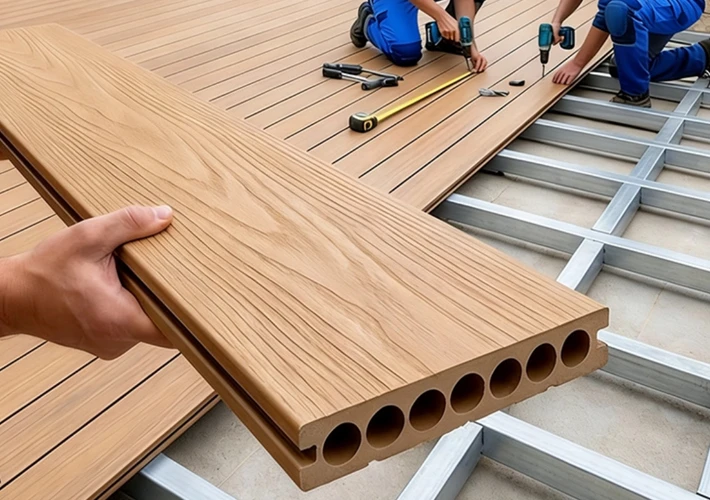
Choosing the right composite deck boards is not just about appearance—it’s about durability, material composition, warranty, price-performance ratio, and supplier reliability. As a professional China factory brand, solidexwood, understanding these core factors will help distributors, builders, and project contractors make smarter procurement decisions and ensure long-term project success.
Composite decking has become one of the fastest-growing alternatives to traditional wood because it combines wood fibers and recycled plastics, offering better resistance to moisture, fading, and cracking . However, not all composite boards are created equal—so selecting the right one requires a structured approach.
What Is Composite Decking and Why It Matters
Composite decking boards are engineered materials made from a blend of wood fiber, plastic polymers (HDPE/PVC), and additives. This composition allows them to outperform natural wood in outdoor environments.
Key Advantages
- Low maintenance (no painting or sealing required)
- Long lifespan (typically 25–30 years)
- Moisture, insect, and rot resistance
- Eco-friendly (often made from recycled materials)
- Consistent color and finish
For B2B buyers, these advantages translate into lower lifecycle costs and fewer after-sales issues, which is critical for large-scale projects like hotels, resorts, and residential developments.
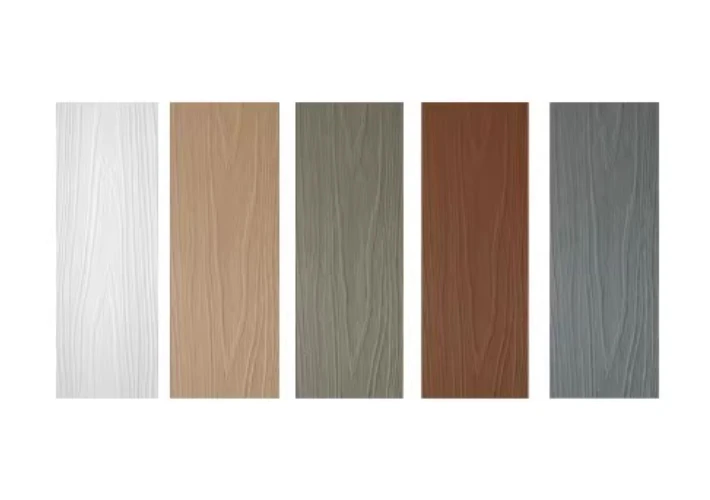
Types of Composite Deck Boards
Understanding product types is the first step in choosing the right decking.
1. Solid Composite Boards
- Full structure, higher strength
- Ideal for commercial or heavy-traffic projects
- Higher cost but longer lifespan
2. Hollow Composite Boards
- Lightweight and cost-effective
- Easier installation and transportation
- Suitable for residential or low-load applications
3. Capped Composite Boards (Co-Extrusion)
- Advanced protective outer layer
- Superior resistance to stains, UV, and scratches
- Premium option for high-end markets
👉 For export projects, capped composite decking is increasingly preferred due to better weather resistance and reduced maintenance complaints.
Key Factors to Consider When Choosing Composite Deck Boards
1. Material Composition
High-quality boards use high-density polyethylene (HDPE) and premium wood fibers, ensuring better strength and durability.
Lower-quality boards may contain fillers, leading to:
- Faster fading
- Structural weakness
- Shorter lifespan
2. Durability & Performance
Top composite decking brands like Trex and TimberTech are known for strong weather resistance and structural integrity .
Look for:
- UV resistance
- Anti-slip surface
- Load-bearing capacity
- Resistance to mold and moisture
3. Surface Technology
Modern decking uses co-extrusion technology, adding a protective polymer shell.
Benefits:
- Scratch resistance
- Stain resistance
- Longer color retention
This is especially important for:
- Hotel terraces
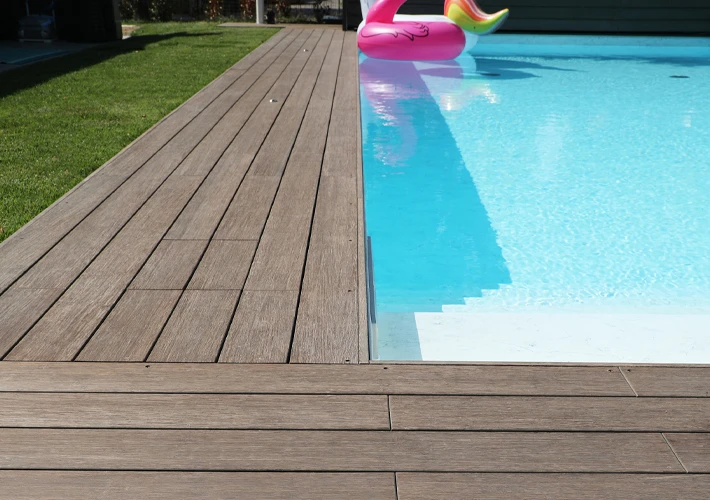
- Poolside decks
- Commercial outdoor areas
4. Warranty and Lifespan
Premium products typically offer:
- 25–50 year warranties
For B2B buyers, longer warranties reduce project risk and increase client trust.
5. Cost vs Value
Composite decking costs more upfront than wood, typically ranging between $6–$17 per square foot .
However, it saves money in:
- Maintenance
- Repairs
- Replacement
👉 For distributors, this makes composite decking easier to sell as a long-term investment product.
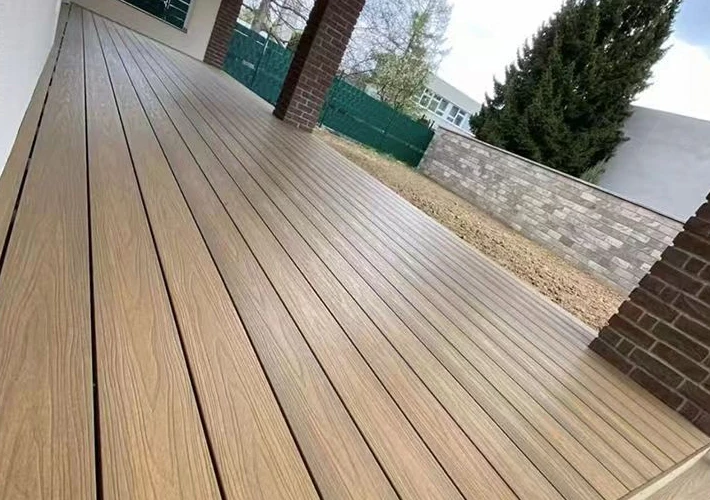
Composite Decking Product Comparison
Below is a practical comparison of representative composite decking products:
| Attribute | TimberTech Composite Legacy Deck Board$190.00 | MoistureShield Vision Composite Deck Board$150.00 | DeckTech Outdoor Waterproof WPC Decking$5.00 | IKEA RUNNEN Deck Tiles$29.90 |
|---|---|---|---|---|
| Product Type | Premium capped composite | Composite (moisture-resistant) | WPC decking board | DIY deck tiles |
| Durability | Very high | High | Medium–high | Medium |
| Best Use | Luxury residential / commercial | Harsh climates | Budget projects | Small DIY spaces |
| Maintenance | Very low | Low | Low | Low |
| Installation | Professional | Professional | Semi-professional | DIY |
| Price Level | High | Mid–high | Budget | Low |
How to Match Deck Boards to Your Project Type
Residential Projects
- Focus: aesthetics + affordability
- Recommended: hollow or mid-range capped boards
Commercial Projects (Hotels, Resorts)
- Focus: durability + premium appearance
- Recommended: solid capped composite boards
Coastal or Humid Areas
- Focus: moisture resistance
- Recommended: high-density capped boards (anti-mold)
DIY or Temporary Installations
- Focus: easy installation
- Recommended: interlocking deck tiles
Common Mistakes to Avoid
1. Choosing Based on Price Alone
Cheap decking often leads to:
- Warping
- Fading
- Customer complaints
2. Ignoring Climate Conditions
Different environments require different materials:
- High humidity → moisture-resistant boards
- Strong sunlight → UV-resistant boards
3. Overlooking Supplier Strength
For B2B buyers, supplier capability is critical:
- Production capacity
- Quality control
- Export experience
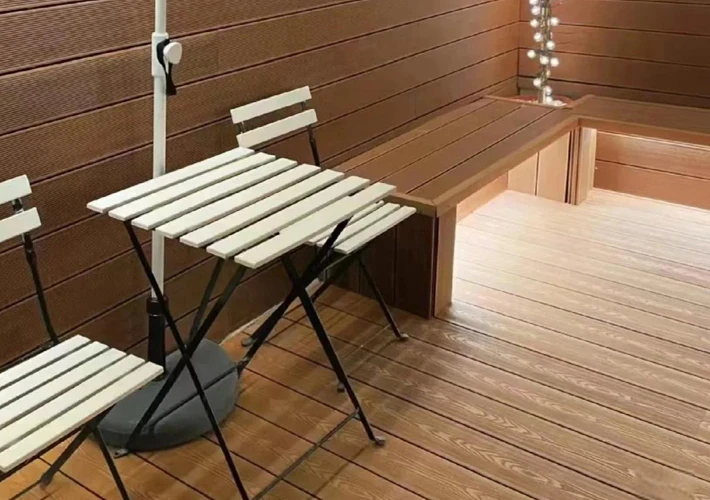
Why Choose solidexwood as Your Composite Decking Supplier
As a professional China-based manufacturer, solidexwood offers strong advantages for global buyers:
1. Advanced Manufacturing
- Co-extrusion production lines
- Strict QC system
- Consistent product quality
2. Competitive Factory Pricing
- Direct supply from factory
- No middlemen
- Better margins for distributors
3. OEM & ODM Services
- Custom colors and textures
- Flexible specifications
- Branding support
4. Export Experience
- Serving global markets
- Reliable logistics solutions
- Professional documentation
5. Product Performance
- UV-resistant surfaces
- Waterproof core structure
- Long service life
Final Thoughts – How to Make the Right Choice
Choosing the best composite deck boards comes down to balancing:
- Performance (durability & weather resistance)
- Appearance (color, texture, design)
- Cost (initial vs long-term value)
- Supplier reliability (factory strength & service)
For B2B buyers, the smartest strategy is to partner with a reliable manufacturer like solidexwood, ensuring consistent quality, competitive pricing, and long-term project success.
Conclusion
Composite decking is no longer just an alternative to wood—it is now the preferred solution for modern outdoor construction. By understanding material types, performance factors, and supplier capabilities, you can confidently select the best decking boards for your project.
If you are sourcing composite decking for wholesale, distribution, or construction projects, working directly with a trusted factory like solidexwood will give you a strong competitive advantage in today’s global market.