Introduction
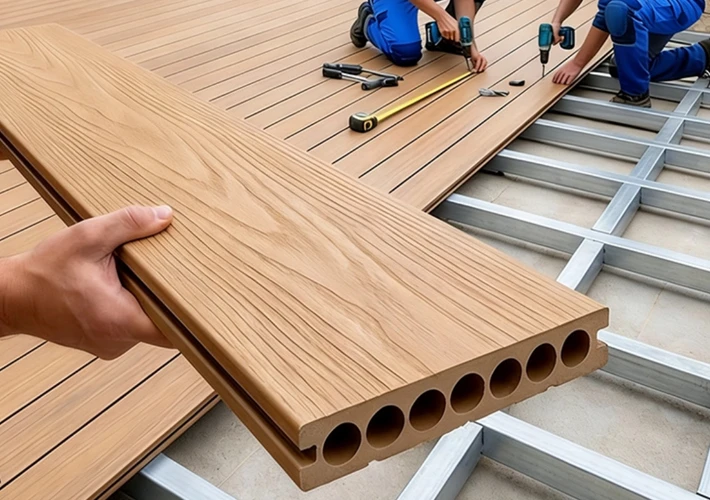
Exterior wall materials have evolved significantly over the past decade. Traditional materials such as natural wood, fiber cement, and PVC siding are increasingly being replaced by more advanced composite solutions that offer better durability and lower maintenance requirements. Among these innovative materials, ASA composite cladding has emerged as one of the fastest-growing choices in residential, commercial, and hospitality projects.
ASA composite cladding combines the strength of wood-plastic composites with a high-performance ASA (Acrylonitrile Styrene Acrylate) protective layer, creating a material that can withstand harsh weather conditions while maintaining an attractive appearance for many years.
However, like any building material, ASA cladding has both advantages and disadvantages. Understanding these pros and cons can help architects, contractors, distributors, and property owners make informed decisions.
As a professional Chinese manufacturer, Solidexwood specializes in producing high-quality third-generation ASA composite cladding solutions for global markets, including Europe, North America, Australia, Southeast Asia, and South America.
This article provides a comprehensive overview of the benefits and limitations of ASA composite cladding.
What Is ASA Composite Cladding?
ASA composite cladding is a modern exterior wall material made from:
- Wood fibers
- Recycled polymers
- Additives for stability and fire performance
- An outer ASA protective layer
The ASA surface layer is engineered to provide excellent resistance to:
- UV radiation
- Moisture
- Color fading
- Temperature fluctuations
- Environmental pollution
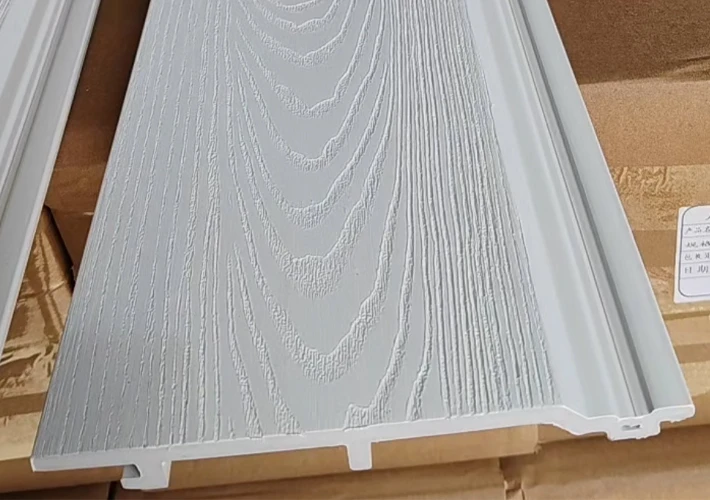
Compared with traditional WPC cladding, ASA composite cladding is considered a third-generation composite product because of its significantly improved weather resistance and aesthetic longevity.
The co-extrusion manufacturing technology creates a strong bond between the core material and the ASA cap layer, resulting in superior outdoor performance.
Why ASA Composite Cladding Is Becoming Popular Worldwide
Several market trends are driving the rapid adoption of ASA cladding:
Increasing Labor Costs
Homeowners and commercial developers increasingly prefer low-maintenance materials that reduce long-term repair expenses.
Sustainability Requirements
Governments and consumers are demanding environmentally friendly building materials that use recycled content and reduce deforestation.
Demand for Modern Architectural Designs
Contemporary architecture often emphasizes clean lines, wood textures, and durable façades.
Harsh Climate Conditions
Regions with intense sunlight, heavy rain, coastal humidity, or freezing winters require materials capable of withstanding extreme environments.
ASA composite cladding effectively addresses these challenges.
Advantages of ASA Composite Cladding
Excellent Weather Resistance
One of the biggest advantages of ASA composite cladding is its outstanding resistance to weather.
Traditional wood cladding often suffers from:
- Cracking
- Swelling
- Rotting
- Warping
- Paint peeling
ASA cladding performs much better under outdoor conditions.
UV Resistance
The ASA layer effectively blocks ultraviolet radiation.
This means:
- Less fading
- Longer color retention
- Reduced surface degradation
Even after years of sun exposure, high-quality ASA cladding maintains its original appearance far better than ordinary WPC or PVC siding.
This makes ASA composite cladding particularly suitable for:
- Tropical climates
- Coastal regions
- High-altitude areas
- Desert environments
Superior Color Stability
Color fading is one of the biggest concerns for exterior building materials.
Natural wood often requires repainting every few years.
Traditional WPC products may also experience noticeable discoloration.
ASA technology significantly improves color stability.
Benefits Include:
- Long-lasting appearance
- Reduced maintenance costs
- Higher property value
- Better aesthetic consistency
Solidexwood’s third-generation ASA cladding products are designed to maintain their appearance for many years even under strong sunlight.
Low Maintenance Requirements
Maintenance costs can exceed initial material costs over a building’s lifespan.
One of the main reasons developers choose ASA composite cladding is that it requires minimal upkeep.
Unlike Wood, ASA Cladding Does Not Require:
- Painting
- Staining
- Oiling
- Anti-termite treatments
- Frequent repairs
Routine cleaning usually involves:
- Water washing
- Mild detergent cleaning
- Occasional surface wiping
This dramatically reduces long-term ownership costs.
For commercial projects such as hotels, resorts, shopping centers, and apartment buildings, low maintenance is a major economic advantage.
High Moisture Resistance
Moisture is one of the biggest enemies of traditional exterior materials.
Wood can absorb water and eventually develop:
- Mold
- Rot
- Fungus
- Structural deformation
ASA composite cladding has extremely low water absorption.
This Makes It Suitable For:
- Coastal buildings
- Rainy regions
- Tropical environments
- Swimming pool areas
- Humid climates
Its dimensional stability remains excellent even after repeated wet and dry cycles.
Resistance to Insects and Termites
Natural timber products are vulnerable to insect attacks.
In many countries, termite damage causes billions of dollars in losses every year.
ASA composite cladding is not an attractive food source for insects.
Benefits include:
- No termite infestation
- Reduced chemical treatments
- Longer service life
- Lower maintenance expenses
This advantage is particularly valuable in tropical markets.
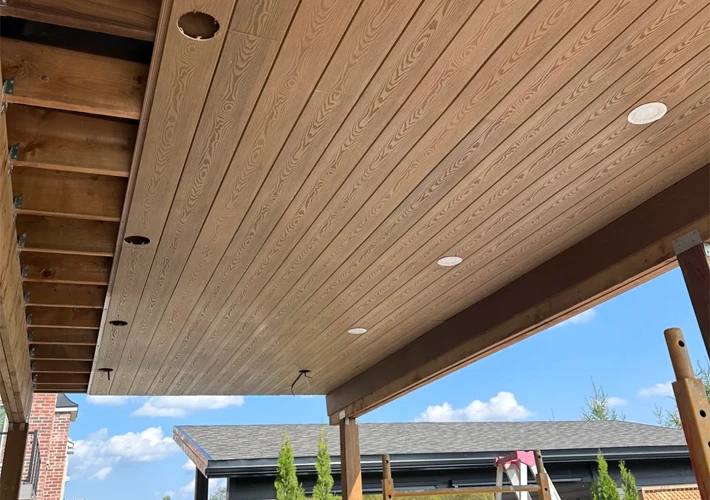
Attractive Natural Wood Appearance
Modern ASA cladding technology can realistically reproduce natural wood textures.
Popular finishes include:
- Teak
- Walnut
- Cedar
- Oak
- Gray wood tones
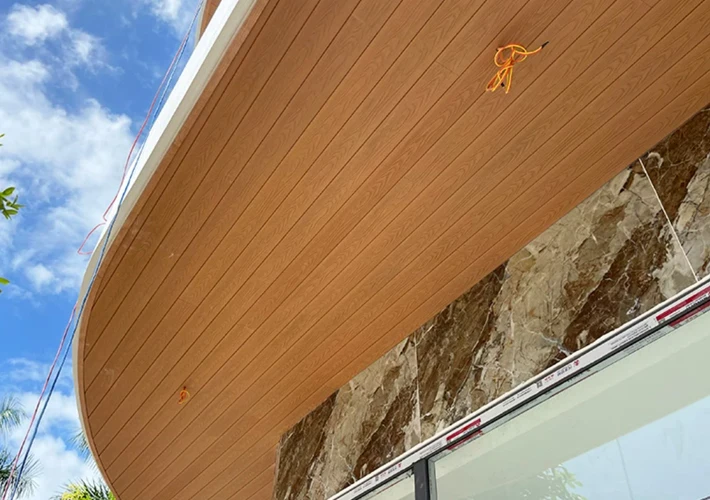
Architects increasingly prefer ASA cladding because it provides the beauty of wood without its disadvantages.
Solidexwood offers various:
- Colors
- Surface textures
- Profiles
- Custom designs
These options allow designers to achieve premium architectural aesthetics.
Environmentally Friendly Solution
Sustainability has become an important purchasing factor.
ASA composite cladding contributes to environmental protection through:
Reduced Timber Consumption
Using composite materials helps decrease pressure on forest resources.
Recycled Materials
Many composite products contain recycled polymers and reclaimed wood fibers.
Long Service Life
Durable products generate less construction waste.
Lower Chemical Usage
Minimal maintenance means fewer paints and preservatives are required.
For green building projects, ASA composite cladding can support sustainability goals.
Long Service Life
One of the most significant advantages is durability.
High-quality ASA cladding systems can provide service lives exceeding 20 years under normal conditions.
Long-term performance includes:
- Structural stability
- Surface integrity
- Color retention
- Low maintenance
This makes ASA composite cladding an attractive investment.
Disadvantages of ASA Composite Cladding
Despite its numerous advantages, ASA composite cladding also has several limitations that should be considered.
Higher Initial Cost Than Traditional Materials
Compared with ordinary PVC siding or low-grade WPC products, ASA cladding usually has a higher purchase price.
The reasons include:
- Advanced co-extrusion technology
- Higher material costs
- Premium UV-resistant ASA layer
- Better manufacturing standards
Although the upfront investment may be higher, the total lifecycle cost is often lower due to reduced maintenance and longer service life.
For budget-sensitive projects, however, initial costs may still be a consideration.
Thermal Expansion and Contraction
Like most composite materials, ASA cladding expands and contracts slightly with temperature changes.
Improper installation can result in:
- Buckling
- Gaps
- Deformation
Therefore, correct installation practices are essential.
Professional installers should follow manufacturer guidelines regarding:
- Expansion gaps
- Fastening systems
- Ventilation structures
Proper installation minimizes these risks.
Limited Structural Load Capacity
ASA composite cladding is designed primarily as a decorative exterior material.
It should not be used as a structural component.
Compared with concrete or metal panels, composite cladding has lower load-bearing capabilities.
Projects requiring structural wall systems should incorporate appropriate support frameworks.
Surface Scratches May Occur
Although ASA surfaces are highly durable, severe impacts or sharp objects may still cause scratches.
Examples include:
- Construction tools
- Metal objects
- Heavy equipment impacts
Fortunately, textured finishes can help conceal minor surface damage.
Careful handling during transportation and installation is recommended.
Premium Products Require Reliable Suppliers
The market now contains many products labeled as “ASA cladding,” but quality can vary significantly.
Low-quality products may experience:
- Delamination
- Rapid fading
- Surface chalking
- Reduced durability
Selecting an experienced manufacturer is therefore critical.
When sourcing ASA composite cladding, buyers should evaluate:
- Factory certifications
- Production experience
- Testing reports
- UV resistance data
- Warranty policies
ASA Composite Cladding vs Traditional Exterior Materials
| Property | ASA Composite Cladding | Natural Wood | PVC Cladding | Fiber Cement |
|---|---|---|---|---|
| UV Resistance | Excellent | Poor | Moderate | Good |
| Maintenance | Very Low | High | Low | Moderate |
| Moisture Resistance | Excellent | Poor | Good | Good |
| Appearance | Natural Wood Look | Excellent | Limited | Moderate |
| Termite Resistance | Excellent | Poor | Excellent | Excellent |
| Lifespan | 20+ Years | 5-15 Years | 10-20 Years | 20+ Years |
| Sustainability | High | Moderate | Moderate | Moderate |
From this comparison, ASA composite cladding offers one of the best balances between aesthetics, durability, and maintenance.
Applications of ASA Composite Cladding
Because of its versatility, ASA cladding is widely used in numerous projects.
Residential Buildings
- Villas
- Townhouses
- Apartments
- Garden houses
Commercial Buildings
- Shopping centers
- Office buildings
- Restaurants
- Retail stores
Hospitality Projects
- Hotels
- Resorts
- Holiday cabins
Public Infrastructure
- Schools
- Museums
- Community centers
Outdoor Structures
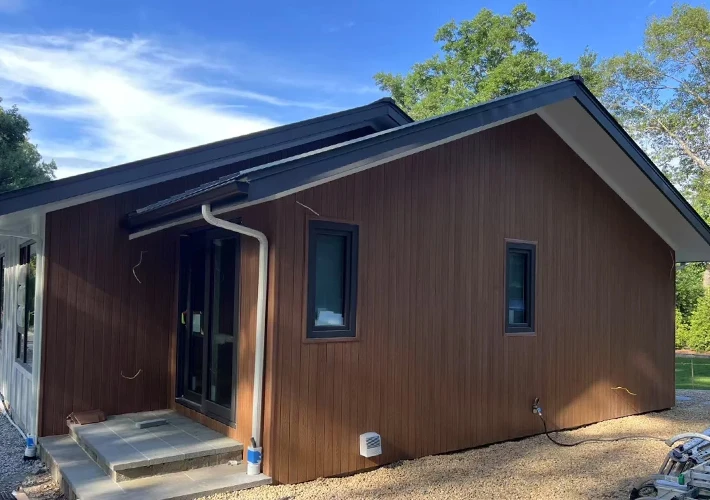
- Facades
- Decorative walls
- Fencing systems
- Pergolas
Its ability to withstand diverse climates makes it suitable for global markets.
How to Choose High-Quality ASA Composite Cladding
When selecting suppliers, buyers should consider several important factors.
Check the ASA Layer Thickness
A thicker ASA cap generally provides:
- Better UV protection
- Improved weather resistance
- Longer lifespan
Review Testing Reports
Important tests include:
- UV aging tests
- Water absorption tests
- Dimensional stability tests
- Fire performance reports
Evaluate Manufacturing Experience
Experienced factories usually provide:
- Stable quality
- Better customization
- Reliable delivery schedules
Verify Warranty Policies
A strong warranty often reflects confidence in product quality.
Why Choose Solidexwood ASA Composite Cladding?
As a professional Chinese manufacturer, Solidexwood focuses on producing premium third-generation composite products.
Our Advantages Include:
Advanced Co-Extrusion Technology
Ensures strong bonding between the core and ASA layer.
Excellent Weather Resistance
Suitable for hot, cold, humid, and coastal environments.
Rich Design Options
Multiple colors, textures, and profiles are available.
OEM & ODM Services
Customized solutions for distributors and project contractors.
Strict Quality Control
Comprehensive testing throughout production.
Global Export Experience
Serving customers in Europe, North America, South America, Southeast Asia, and the Middle East.
Solidexwood aims to provide durable and aesthetically pleasing exterior solutions that meet international standards.
Frequently Asked Questions
Is ASA composite cladding waterproof?
It is highly water-resistant and absorbs significantly less moisture than natural wood.
Does ASA cladding fade in sunlight?
High-quality ASA cladding has excellent UV resistance and shows minimal fading over long-term exposure.
How long does ASA composite cladding last?
Under normal conditions, premium products can last over 20 years.
Is ASA cladding environmentally friendly?
Yes. Many products incorporate recycled materials and reduce dependence on natural timber.
Is ASA cladding suitable for coastal regions?
Yes. Its moisture resistance and UV stability make it ideal for coastal environments.
Conclusion
ASA composite cladding has become one of the most promising exterior wall materials in modern construction.
Major Advantages:
- Outstanding weather resistance
- Excellent UV protection
- Minimal maintenance
- Natural wood appearance
- Long service life
- Strong moisture and termite resistance
- Environmentally friendly characteristics
Potential Limitations:
- Higher initial investment
- Thermal expansion considerations
- Non-structural application
- Need for proper supplier selection
For homeowners, architects, contractors, and distributors seeking a durable and attractive exterior cladding solution, ASA composite cladding offers a compelling balance of aesthetics and performance.
As a leading Chinese manufacturer, Solidexwood continues to develop innovative third-generation ASA composite cladding products that help customers worldwide achieve long-lasting and beautiful building facades with lower maintenance costs and superior weather performance.