
Introduction
In recent years, composite decking has transformed from a niche outdoor building material into a mainstream solution across Canada’s residential, commercial, and public construction sectors. From private backyard patios in Ontario to boardwalks in British Columbia and hospitality outdoor areas across Quebec, composite decking has become one of the most requested materials among builders, architects, and project developers.
Canada presents one of the most challenging environments for outdoor construction materials. Extreme seasonal temperature fluctuations, freeze-thaw cycles, high humidity in certain provinces, heavy snow loads, and long UV exposure periods all create conditions that rapidly degrade traditional wood decking. As a result, the Canadian market has naturally gravitated toward materials that combine durability, weather resistance, sustainability, and long service life — all of which align closely with composite decking performance characteristics.
This article will explore in detail why composite decking has gained strong adoption in Canadian outdoor construction projects. We will analyze climate factors, performance advantages, economic considerations, sustainability trends, design flexibility, technological evolution, and long-term market outlook.
Canada Climate Drives Material Selection
One of the most important reasons for composite decking popularity in Canada is climate adaptability. Canada experiences diverse and harsh weather patterns throughout the year. Winters bring snow, ice, and freeze-thaw cycles, while summers can bring humidity, rainfall, and strong UV exposure.
Composite decking is engineered specifically to handle environmental stress. It resists warping, cracking, and splintering caused by freeze-thaw cycles, which is critical in Canadian outdoor construction.
Traditional wood absorbs moisture, expands during freezing, and contracts during thawing. Over time, this leads to cracking, structural instability, and surface deterioration. Composite boards, by contrast, have low water absorption and maintain dimensional stability even during extreme temperature swings.
Additionally, Canada’s wet seasons create ideal conditions for mold and mildew growth. Composite materials are highly resistant to moisture penetration, significantly reducing mold and rot risk — a major advantage in snow-heavy provinces like Manitoba and Newfoundland.
These climate-driven benefits alone have made composite decking a logical long-term investment for Canadian outdoor construction.
Long-Term Durability and Service Life
Durability is another key driver behind the rapid adoption of composite decking across Canada.
Composite decking is designed to withstand severe weather exposure for decades. Many composite products come with warranties ranging from 20 to 50 years, and typical lifespan expectations are 20–30 years or more.
Unlike wood, composite decking does not:
- Rot
- Warp
- Crack
- Splinter
- Attract insects
This durability is especially important in outdoor commercial projects such as hotels, restaurants, public parks, and waterfront boardwalks where repair cycles must be minimized. Composite decking also performs well under heavy foot traffic and continuous environmental exposure.
In large outdoor construction projects, durability directly reduces lifecycle costs and improves long-term ROI, making composite materials more attractive to developers and contractors.
Low Maintenance Requirements
Maintenance costs are a major consideration in Canadian construction, especially in regions with short warm seasons where maintenance windows are limited.
Traditional wood decking requires:
- Annual staining
- Sealing
- Sanding
- Repair of cracked or warped boards
Composite decking, however, typically requires only periodic cleaning with soap and water.
Some studies suggest wood decks may require up to 32 hours of maintenance per year, while composite decks may require only 4–6 hours.
For property owners, hotels, resorts, and commercial outdoor spaces, this dramatically reduces maintenance labor costs and downtime.
Sustainability and Environmental Regulations
Canada is one of the global leaders in sustainable construction and environmental responsibility. This has significantly contributed to composite decking adoption.
Many composite decking boards are manufactured using recycled plastics and reclaimed wood fibers, reducing landfill waste and lowering demand for virgin timber.
Sustainability is becoming a major purchasing factor among Canadian homeowners and developers. Eco-friendly building materials are increasingly prioritized in both residential and commercial construction.
Additionally, long service life reduces replacement frequency, further lowering environmental impact over time.
Cost Efficiency Over Lifecycle
Although composite decking usually has higher upfront material costs than wood, lifecycle cost analysis often favors composite solutions.
Key cost advantages include:
- Lower maintenance expenses
- Reduced repair frequency
- Longer replacement cycles
- Lower labor costs over time
Rising lumber costs have also reduced the price gap between natural wood and composite decking, making composite materials increasingly competitive.
For commercial outdoor projects — especially hospitality and real estate developments — long-term cost predictability is often more important than initial material price.
Design Flexibility and Aesthetic Appeal
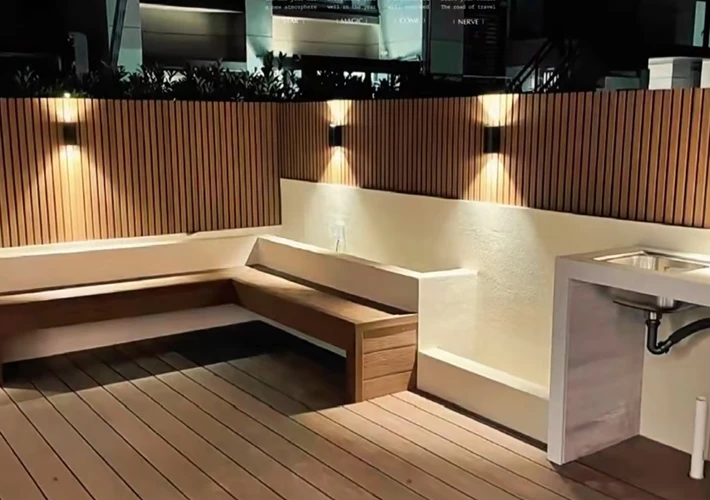
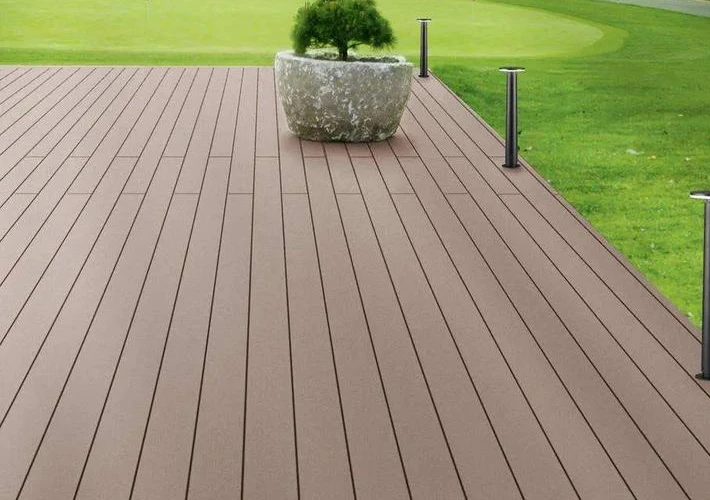
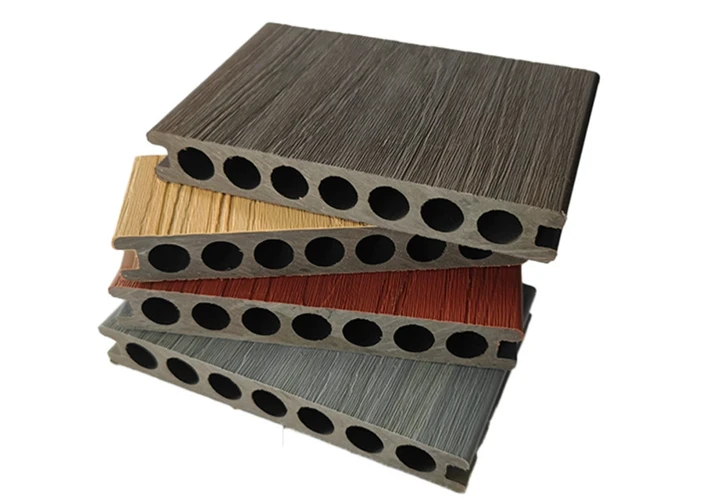
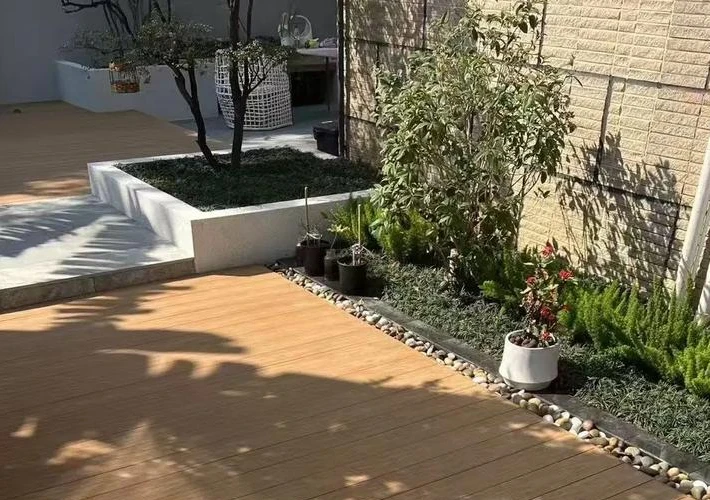
Modern composite decking offers extensive design possibilities. Boards are available in multiple colors, textures, and finishes, including highly realistic wood-grain embossing.
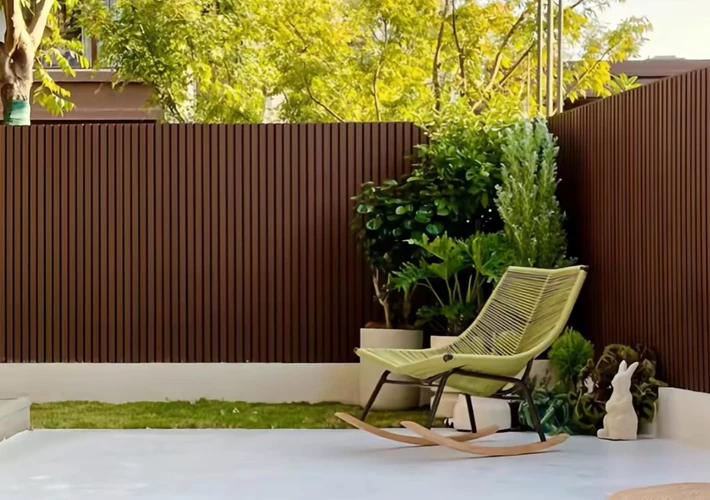
Architects and developers increasingly prefer materials that offer both performance and design freedom. Composite decking allows projects to achieve:
- Natural wood aesthetics
- Modern architectural styling
- Custom outdoor branding
- Consistent color performance
Composite boards also maintain color longer than stained wood, reducing the need for aesthetic maintenance.
This design stability is especially important in hospitality and luxury residential developments.
Safety Performance in Outdoor Environments
Safety is another major factor driving adoption.
Many composite decking products include:
- Slip-resistant textures
- Splinter-free surfaces
- UV resistance
- Mold resistance
These features are especially valuable in wet, snowy, or icy environments, improving user safety during winter conditions.
Public outdoor infrastructure such as parks, marinas, and commercial outdoor dining areas increasingly specify composite materials due to safety performance.
Technological Innovation in Composite Materials
Recent technology advancements have significantly improved composite decking performance.
Modern composite boards may include:
- UV fade protection up to 30 years
- Antimicrobial additives
- Heat-reflective pigments
- Scratch-resistant surfaces
- High recycled content (up to 95% in some brands)
These improvements directly address earlier market concerns such as heat retention and color fading.
Innovation continues to expand composite decking applications across commercial and infrastructure sectors.
Wide Range of Construction Applications
Composite decking is now used across multiple construction sectors in Canada:
Residential:
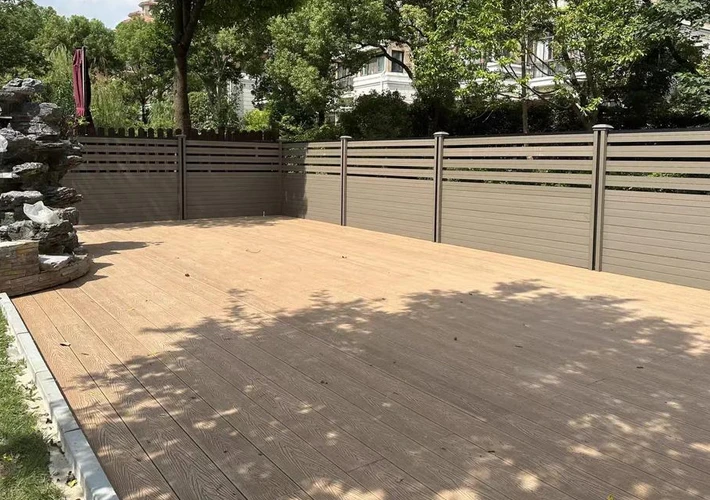
- Backyard decks
- Pool surrounds
- Garden walkways
Commercial:
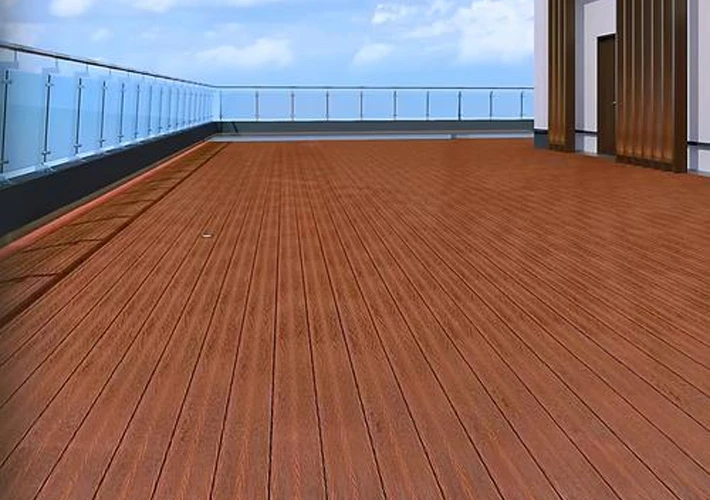
- Hotel outdoor terraces
- Restaurant patios
- Public parks
- Boardwalks
- Waterfront structures
Its ability to perform in high-traffic environments makes it suitable for large-scale outdoor construction projects.
Growing Canadian Market Demand
The Canadian composite decking market continues to grow as consumer awareness increases and product performance improves.
Market drivers include:
- Climate adaptation needs
- Environmental policies
- Rising labor costs
- Preference for low-maintenance lifestyles
- Growth in outdoor living culture
As outdoor living becomes more integrated into Canadian architecture and lifestyle design, composite decking demand is expected to expand further.
Why Contractors and Developers Prefer Composite
From a professional construction perspective, composite decking offers:
- Predictable performance
- Consistent quality
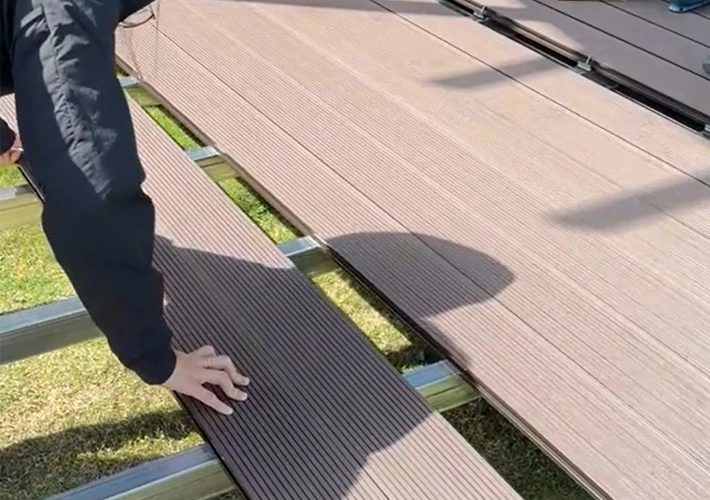
- Simplified installation processes
- Lower warranty risk
- Strong customer satisfaction
These factors are particularly important for developers managing large outdoor construction portfolios.
Future Outlook of Composite Decking in Canada
Future growth trends include:
1.Increased recycled content
2.Better heat reduction technology
3.Improved structural strength composites
4.More realistic wood textures
5.Integration with smart outdoor construction systems
As sustainability and lifecycle cost become more important in construction decision-making, composite decking is expected to become the dominant outdoor decking solution across Canada.
Conclusion
Composite decking has become popular in Canadian outdoor construction projects due to its unique combination of climate resistance, durability, sustainability, cost efficiency, and design flexibility.
Canada’s harsh environment requires materials that can withstand extreme temperature variation, moisture exposure, and long winters. Composite decking meets these demands while also providing long-term economic and environmental benefits.
As technology continues to improve and sustainability standards continue to rise, composite decking is likely to play an even larger role in Canada’s outdoor construction future.