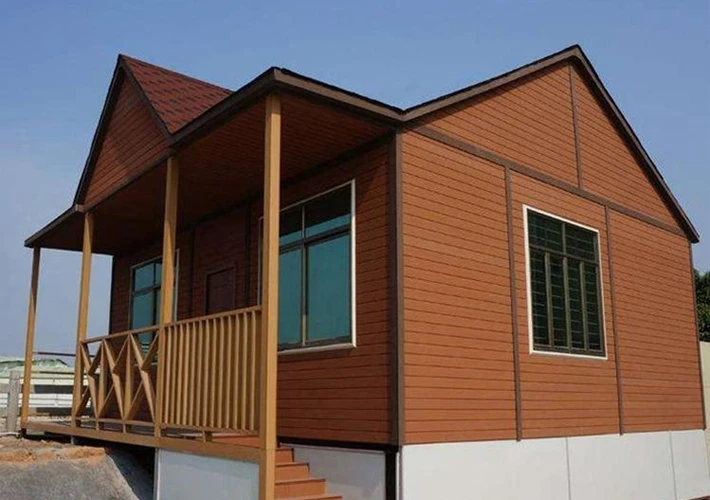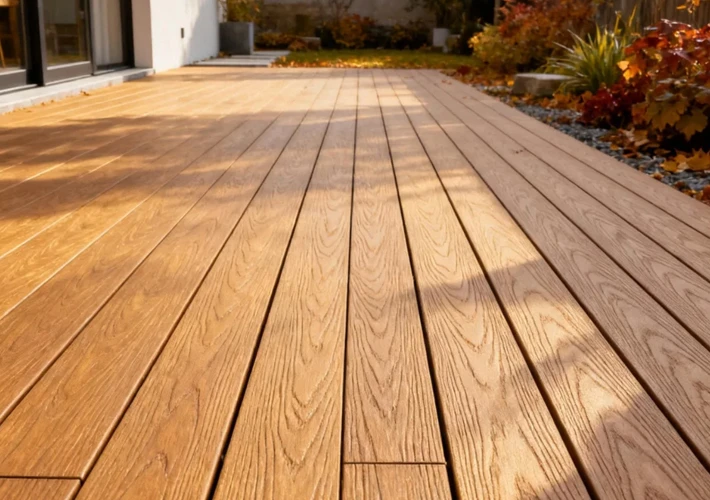

As global demand for sustainable and low-maintenance building materials continues to rise, WPC timber tubes have become a popular choice for outdoor and architectural applications. For international buyers, wholesalers, importers, and project contractors, understanding the wholesale pricing structure of WPC timber tubes is essential for cost control, supplier selection, and long-term procurement planning.
Unlike retail pricing, wholesale WPC timber tube prices are influenced by multiple technical, logistical, and commercial factors. This article provides a systematic and in-depth price guide designed specifically for international buyers, helping you evaluate quotations accurately and avoid common sourcing mistakes.
What Are WPC Timber Tubes and Why They Are Widely Used
WPC timber tubes are hollow or semi-hollow composite profiles made from wood fiber, plastic resin, and functional additives. They are commonly produced in square, rectangular, or customized cross-sections.
Key Performance Characteristics
- High resistance to moisture, insects, and decay
- Strong dimensional stability in outdoor environments
- Consistent color and texture compared to natural timber
- Lower maintenance cost over long service life
Main Application Scenarios
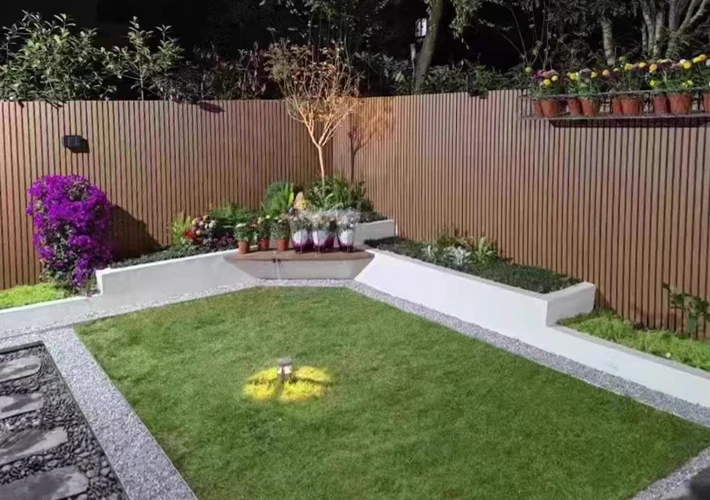
- Pergolas and gazebos
- Outdoor louvers and sunshade systems
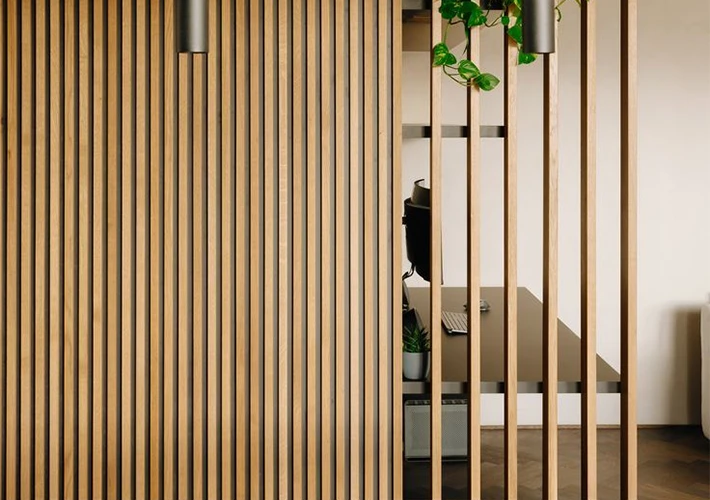
- Decorative wall cladding and ceilings
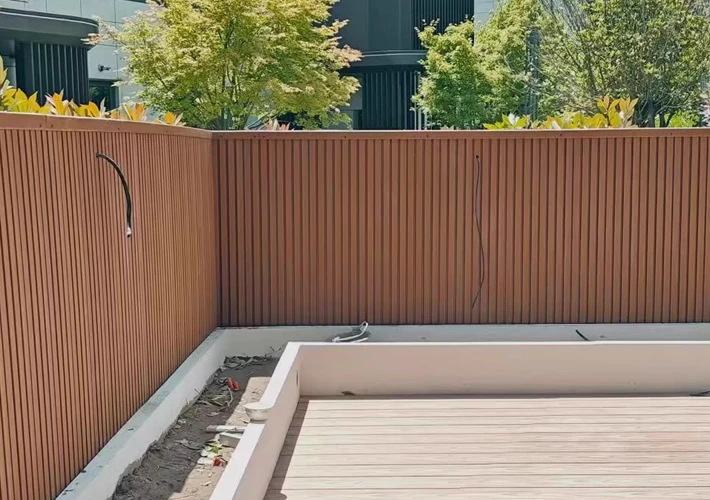
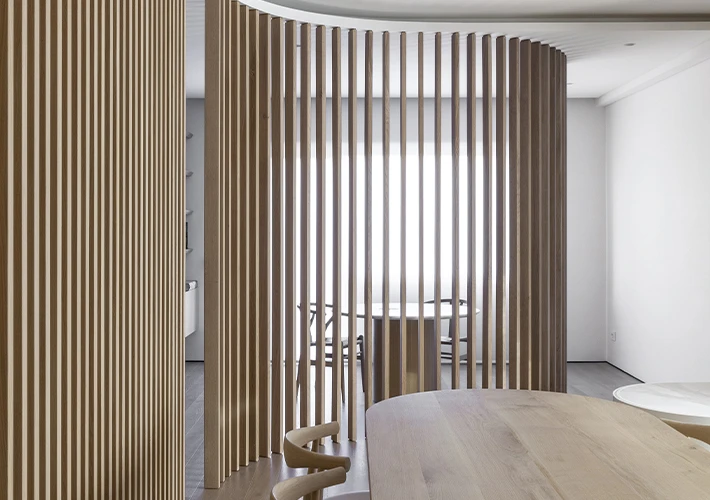
- Fencing, railings, and partitions
- Landscape and architectural design projects
These advantages explain why WPC timber tubes are increasingly specified in Europe, Australia, the Middle East, Southeast Asia, and North America.
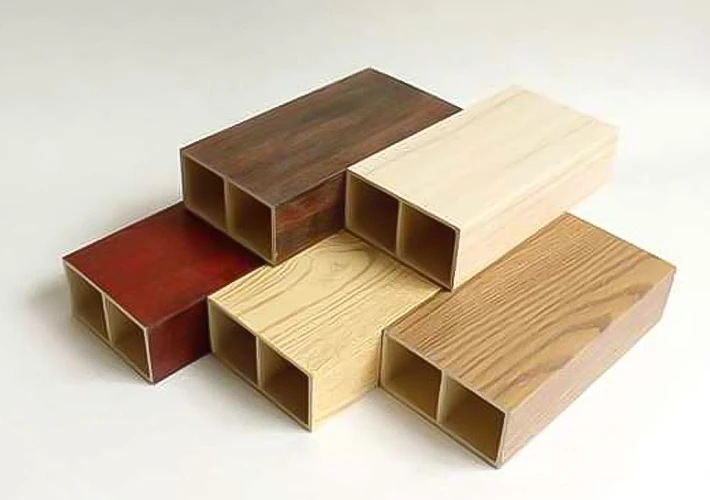
Wholesale WPC Timber Tube Price Range for International Buyers
From a global sourcing perspective, wholesale prices vary significantly depending on specifications and supplier location.
Typical Wholesale Price Reference
- USD 1.50 – 4.50 per meter (FOB China)
- USD 1,200 – 3,500 per metric ton
Lower prices usually correspond to:
- Standard sizes
- Single-color, smooth surface
- Traditional extrusion technology
Higher prices are associated with:
- Thick-wall structural tubes
- 3D embossed or co-extruded surfaces
- Custom colors and profiles
International buyers should never compare prices without aligning technical specifications.
Core Factors That Determine Wholesale WPC Timber Tube Prices
Raw Material Formula
The ratio between wood fiber and plastic resin directly affects both cost and performance.
- Higher wood content → more natural appearance, higher cost
- Higher plastic content → stronger moisture resistance, slightly lower cost
Plastic type also matters:
- HDPE: Most common, cost-effective
- PP: Higher rigidity, moderate price increase
- PVC: Better fire resistance, higher raw material cost
Profile Size and Wall Thickness
Material consumption rises sharply with wall thickness.
Common sizes include:
- 50×50 mm
- 60×40 mm
- 100×50 mm
- 150×50 mm
Typical wall thickness:
- 3.5 mm (economy grade)
- 4.5–5.0 mm (export standard)
- 6.0 mm+ (structural or project use)
A thicker profile can increase wholesale price by 20–40%.
Surface Treatment and Manufacturing Technology
Surface finish has a major impact on both appearance and cost.
- Smooth or sanded surface: lowest cost
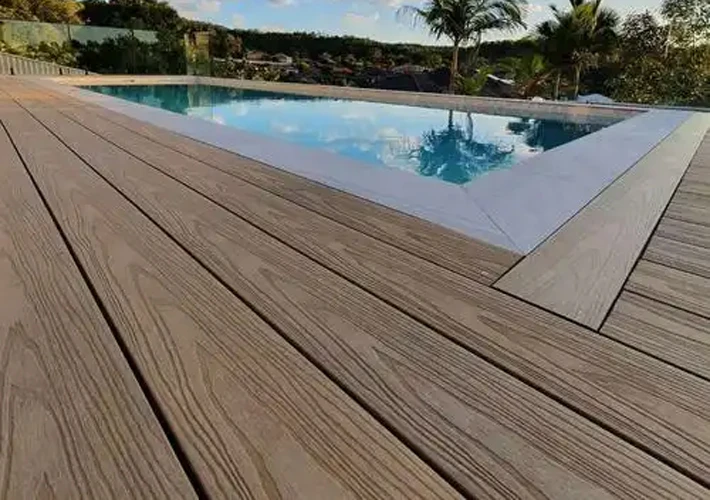
- 3D embossed wood grain: premium visual effect, higher tooling cost
- Co-extrusion cap layer: enhanced UV and stain resistance, 30–50% price increase
Price Differences by Supplier Type
Direct WPC Timber Tube Manufacturer
- Lowest ex-factory price
- Strong customization capability
- Best choice for long-term buyers
Trading Company
- Medium pricing level
- Easier communication
- Less control over production
Overseas Stockist or Distributor
- Highest unit price
- Fast delivery
- Limited customization
For international wholesale buyers, working directly with factories offers the best balance between cost and quality control.
Regional Wholesale Price Comparison
China
- Largest global WPC production base
- Mature supply chain and tooling
- Most competitive wholesale prices
FOB price range: USD 1.50 – 3.20 per meter
Southeast Asia
- Growing WPC capacity
- Slightly higher labor cost
Price range: USD 2.20 – 4.00 per meter
Europe & North America
- High compliance and labor cost
- Shorter logistics chain
Price range: USD 5.00 – 8.00 per meter
Logistics, MOQ, and Their Impact on Final Cost
Minimum Order Quantity (MOQ)
- Standard products: 300–500 meters per size
- Customized profiles: higher MOQ
Shipping Considerations
- Sea freight is the most economical option
- Full container load (FCL) significantly reduces unit cost
- Length optimization improves container utilization
Logistics can account for 15–30% of total landed cost, making packaging and loading strategy critical.
Quality Grades, Certifications, and Price Differences
Common Quality Levels
- Economy grade: recycled materials, basic additives
- Standard export grade: balanced formula, stable performance
- Premium project grade: co-extrusion, enhanced UV resistance
Certifications
Certifications may add 5–12% to product cost but are often mandatory:
- CE
- ISO 9001
- ASTM
- FSC (where required)
How International Buyers Can Control WPC Timber Tube Procurement Costs
- Choose standard sizes and colors
- Consolidate multiple SKUs into one container
- Compare prices based on identical specifications
- Establish long-term cooperation with factories
- Avoid focusing solely on lowest unit price
Stable quality and supply reliability often matter more than short-term savings.
Conclusion: Understanding Price Means Understanding Value
For international buyers, wholesale WPC timber tube price is not a fixed number—it is the result of material composition, profile design, surface technology, supplier type, and logistics strategy.
Buyers who understand these factors can:
- Accurately evaluate quotations
- Avoid hidden cost risks
- Build sustainable, long-term supply chains
As global demand for eco-friendly building materials continues to grow, WPC timber tubes will remain a strategic product category for international wholesalers and project buyers.