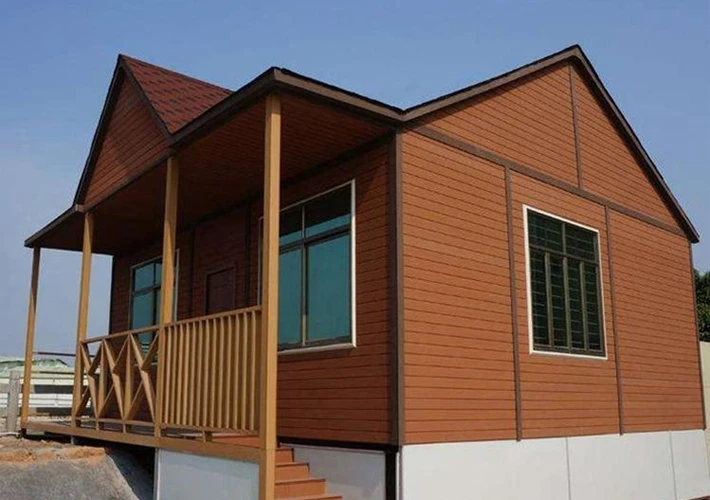

In today’s construction and architectural design industry, materials that combine durability, sustainability, and aesthetics are in high demand. One such material that has gained significant global attention is WPC wall cladding. From residential projects to large-scale commercial developments, WPC cladding has become a preferred solution for architects, builders, and importers worldwide.
As a professional manufacturer and exporter, solidexwood is committed to delivering high-quality WPC wall cladding solutions tailored for global B2B clients. In this comprehensive guide, we will explore what WPC wall cladding is, its core benefits, different types, and practical applications—helping you make informed procurement decisions.
What Is WPC Wall Cladding?
WPC (Wood Plastic Composite) wall cladding is an advanced building material made from a combination of wood fibers (or wood flour) and thermoplastics (such as polyethylene, polypropylene, or PVC), along with additives that enhance performance.
This hybrid composition results in a material that combines the natural appearance of wood with the durability and low maintenance of plastic.
Key Composition:
- 50%–70% wood fiber
- 30%–40% plastic polymer
- 5%–10% additives (UV stabilizers, colorants, anti-fungal agents)
Manufacturing Process:
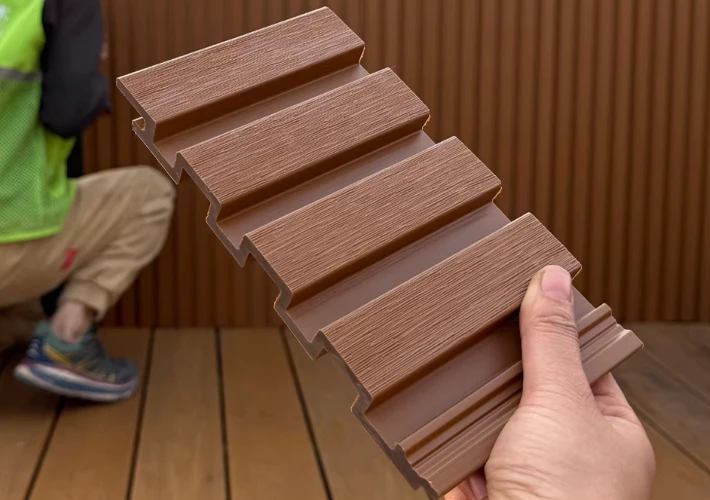
WPC cladding is typically produced through extrusion, where the raw materials are melted, mixed, and shaped into panels or boards with various surface finishes such as wood grain, brushed texture, or embossed patterns.
Compared to traditional wood cladding, WPC offers superior resistance to moisture, insects, and environmental degradation—making it ideal for both interior and exterior applications.
Key Benefits of WPC Wall Cladding
1. Exceptional Durability
One of the most important advantages of WPC wall cladding is its long lifespan. Unlike natural wood, WPC does not warp, crack, or rot easily.
- Resistant to moisture and humidity
- Anti-termite and insect-proof
- High resistance to weathering
For B2B buyers, this translates to fewer warranty issues and higher customer satisfaction.
2. Waterproof and Weather-Resistant
WPC cladding is engineered to perform well in harsh environments, including coastal and tropical regions.
- Suitable for outdoor facades
- Excellent performance in high humidity areas
- Resistant to rain, UV rays, and temperature fluctuations
This makes it especially valuable for markets in Southeast Asia, the Middle East, and coastal regions.
3. Low Maintenance
Traditional wood requires frequent painting, sealing, and maintenance. WPC, on the other hand, significantly reduces upkeep costs.
- No need for painting or polishing
- Easy to clean with water
- Long-lasting color stability
For developers and contractors, this reduces long-term operational costs.
4. Eco-Friendly and Sustainable
WPC wall cladding is considered an environmentally friendly material.
- Made from recycled wood and plastic
- Reduces deforestation
- Recyclable at end of life
As global regulations become stricter, eco-friendly materials like WPC are becoming essential for compliance and branding.
5. Aesthetic Versatility
WPC cladding offers a wide range of design options:
- Natural wood textures
- Modern minimalist finishes
- Multiple colors and patterns
This flexibility allows designers to achieve both classic and contemporary looks without compromising performance.
6. Easy Installation
WPC panels are designed for efficient installation:
- Lightweight compared to traditional materials
- Tongue-and-groove or clip systems
- Reduced labor costs
For importers and distributors, ease of installation is a key selling point.
7. Fire Resistance (Optional Grades)
Many WPC cladding products can be engineered to meet fire safety standards (e.g., B1 or ASTM ratings), making them suitable for commercial buildings and hotels.
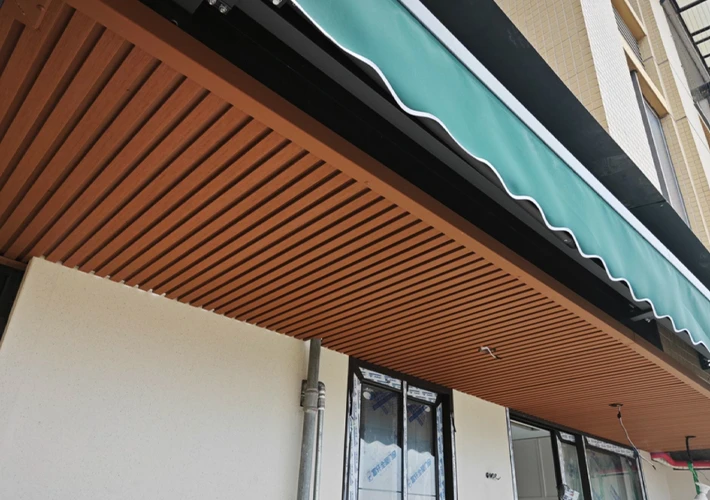
Types of WPC Wall Cladding
Understanding the different types of WPC wall cladding is essential for selecting the right product for your market.
1. Hollow WPC Cladding
Hollow WPC panels are lightweight and cost-effective, making them ideal for large-scale projects.
Advantages:
- Lower material cost
- Easy transportation
- Suitable for residential and decorative use
Applications:
- Interior walls
- Low-load exterior applications
2. Solid WPC Cladding
Solid WPC panels are denser and more robust.
Advantages:
- Higher strength and durability
- Better impact resistance
- Suitable for high-traffic areas
Applications:
- Commercial facades
- Public buildings
- High-end residential projects
3. Co-Extruded WPC Cladding
Co-extrusion technology adds a protective outer layer to the WPC core.
Advantages:
- Superior UV resistance
- Enhanced stain resistance
- Longer lifespan
Applications:
- Outdoor wall cladding
- Coastal and high-UV regions
This type is increasingly popular in premium markets such as Europe and North America.
4. 3D Embossed WPC Cladding
These panels feature deep wood grain textures for a more natural appearance.
Advantages:
- Realistic wood look
- Anti-slip surface
- Premium aesthetic appeal
Applications:
- Luxury villas
- Hotels
- Feature walls
5. Fluted (Grooved) WPC Panels
Fluted panels are designed with linear grooves, offering a modern architectural style.
Advantages:
- Contemporary design
- Enhanced visual depth
- Acoustic benefits (in some designs)
Applications:
- Office interiors
- Retail spaces
- Decorative facades
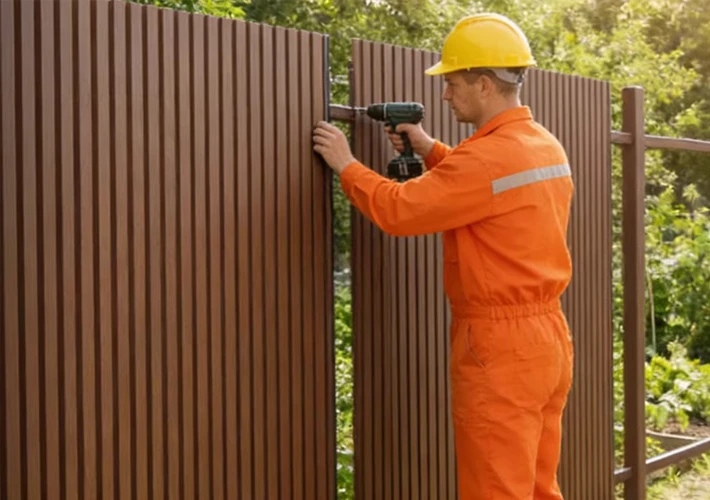
Applications of WPC Wall Cladding
WPC wall cladding is highly versatile and can be used across various industries.
1. Residential Buildings
Homeowners and developers use WPC cladding for:
- Exterior facades
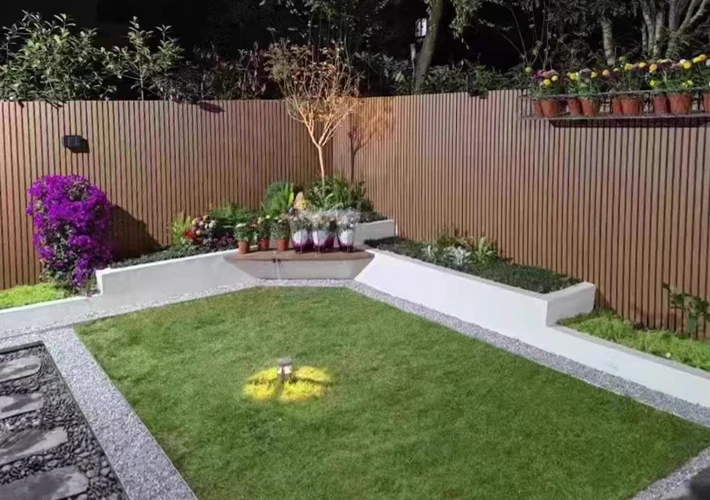
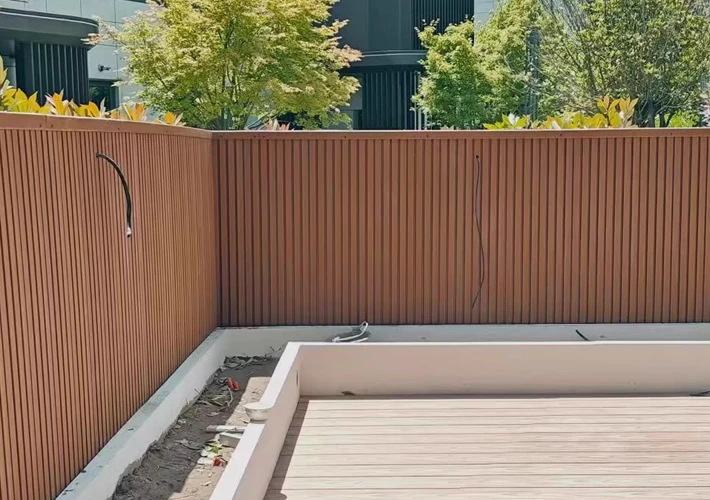
- Garden walls
- Balcony cladding
- Interior feature walls
Its durability and low maintenance make it ideal for long-term residential use.
2. Commercial Projects
WPC cladding is widely used in commercial environments:
- Office buildings
- Shopping malls
- Restaurants and cafes
- Showrooms
The material’s aesthetic flexibility allows businesses to create visually appealing spaces.
3. Hospitality Industry (Hotels & Resorts)
Hotels are one of the largest consumers of WPC wall cladding.
Key uses:
- Lobby walls
- Corridor panels
- Outdoor facades
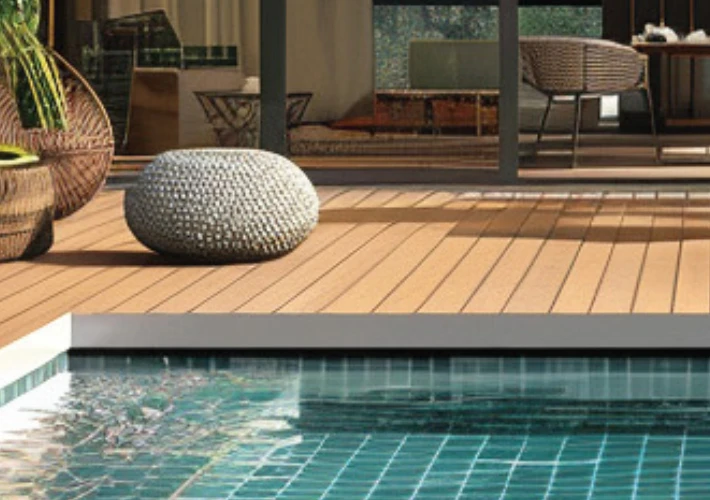
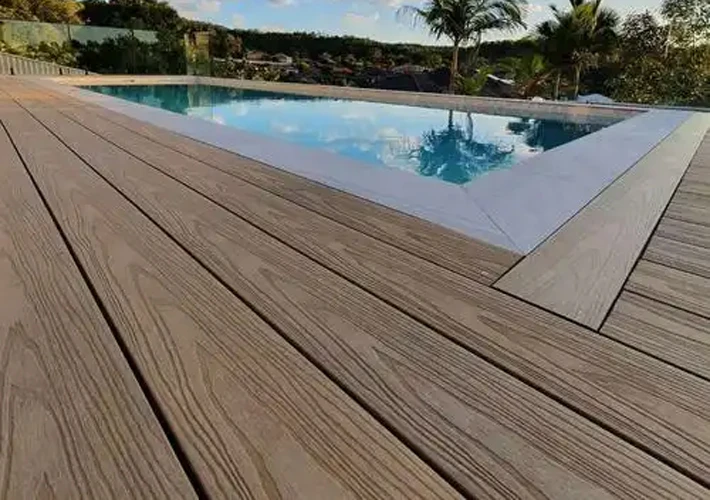
- Poolside areas
Benefits for hotel projects:
- Moisture resistance
- Elegant appearance
- Reduced maintenance costs
4. Public Infrastructure
Government and public projects benefit from WPC cladding’s durability.
- Airports
- रेलवे stations
- Schools
- Hospitals
Its resistance to wear and environmental factors ensures long-term performance.
5. Outdoor Landscaping
WPC is also widely used in outdoor decorative applications:
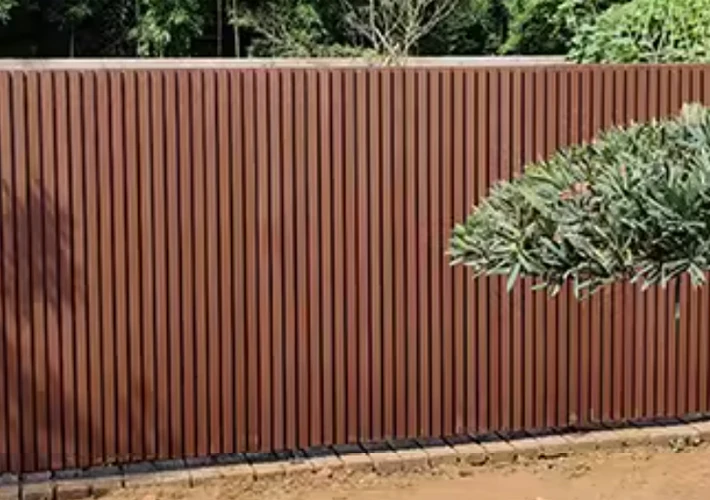
- Fence panels
- Garden walls
- Pergolas
- Exterior decorative elements
6. Renovation and Retrofit Projects
WPC cladding is ideal for upgrading existing buildings:
- Covers old surfaces
- Improves insulation
- Enhances visual appeal
This makes it a popular choice in renovation markets.
Why WPC Wall Cladding Is Popular in Global Markets
The demand for WPC wall cladding has grown rapidly due to several macro trends:
1. Urbanization and Construction Growth
Rapid urban development is increasing demand for durable and efficient building materials.
2. Sustainability Requirements
Green building certifications (LEED, BREEAM) encourage the use of eco-friendly materials like WPC.
3. Labor Cost Optimization
Easy installation reduces labor dependency, especially in high-cost regions.
4. Design Trends
Modern architecture favors clean lines and natural textures—both achievable with WPC.
How to Choose the Right WPC Wall Cladding
For importers and distributors, selecting the right product is crucial.
Key Factors to Consider:
1. Material Composition
- Check wood-to-plastic ratio
- Ensure high-quality additives
2. Surface Treatment
- Co-extrusion for outdoor use
- Embossing for premium projects
3. Thickness and Density
- Solid panels for high durability
- Hollow panels for cost efficiency
4. Fire Rating
- Required for commercial projects
5. UV Resistance
- Essential for outdoor applications
6. Supplier Capability
- Production capacity
- Quality control system
- Export experience
Why Choose solidexwood as Your WPC Cladding Supplier
As a professional Chinese manufacturer, solidexwood offers competitive advantages for global B2B buyers:
1. Strong Manufacturing Capability
- Advanced extrusion production lines
- Strict quality control standards
- Large-scale production capacity
2. Product Customization
- Multiple colors and textures
- Custom sizes and profiles
- OEM & ODM services
3. Export Experience
- Serving clients in Europe, North America, Southeast Asia, and the Middle East
- Professional packaging and logistics solutions
4. Competitive Pricing
- Factory-direct supply
- Cost-effective solutions for wholesalers and contractors
5. Technical Support
- Installation guidance
- Project-based recommendations
- Marketing support for distributors
Future Trends of WPC Wall Cladding
Looking ahead, WPC wall cladding is expected to evolve in several key areas:
- Improved fire resistance technologies
- Enhanced surface coatings (anti-scratch, anti-graffiti)
- Smart cladding systems (integrated insulation)
- Greater adoption in green building projects
As innovation continues, WPC will play an even larger role in modern construction.
Conclusion
WPC wall cladding is a revolutionary material that bridges the gap between aesthetics and performance. With its durability, eco-friendliness, and versatility, it has become a top choice for architects, contractors, and developers worldwide.
From residential homes to large-scale commercial and hospitality projects, WPC cladding offers unmatched value in terms of cost efficiency and long-term performance.
If you are looking for a reliable supplier, solidexwood is ready to support your business with high-quality products, competitive pricing, and professional export services.
Looking to import high-quality WPC wall cladding for your next project?
Contact solidexwood today to get:
- Free samples
- Latest product catalog
- Competitive wholesale pricing
Let’s build your next successful project together.