
Choosing the right decking material is one of the most important decisions in any outdoor construction project. Whether you are a homeowner upgrading your backyard, a contractor managing residential builds, or a developer sourcing materials for commercial spaces, understanding the differences between PVC decking and composite decking is essential.
Both materials were developed to replace traditional wood decking, which requires frequent maintenance and is vulnerable to moisture, insects, and rot. However, while PVC and composite decking are often grouped together, they are fundamentally different in composition, performance, pricing, and long-term value.
This in-depth guide will compare PVC vs composite decking across durability, heat retention, installation, environmental impact, lifecycle cost, and market trends. By the end of this article, you will have a clear understanding of which solution best fits your project requirements.
Material Composition and Manufacturing Differences
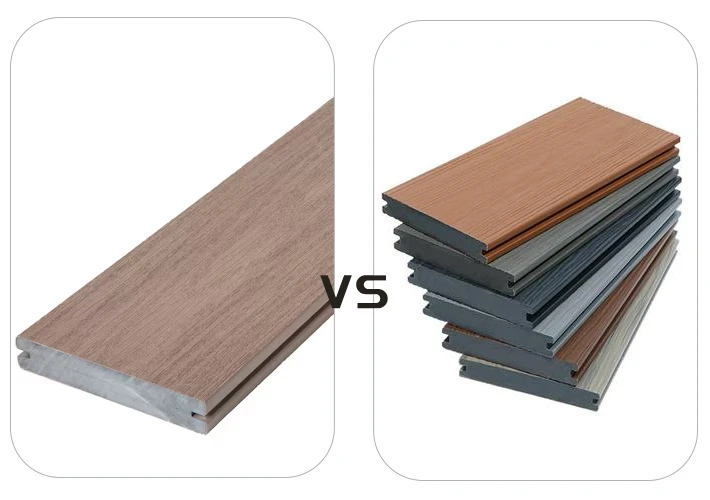
The core difference between PVC and composite decking lies in what they are made of.
What Is PVC Decking?
PVC decking (polyvinyl chloride decking) is manufactured entirely from synthetic plastic materials. It contains no organic content. Because of this, it is highly resistant to moisture, insects, and rot.
Modern PVC boards are often engineered with:
- Cellular PVC core
- UV stabilizers
- Impact modifiers
- Protective outer cap layers
Since PVC does not contain wood fibers, it does not absorb water. This characteristic gives it a major advantage in humid or coastal climates.
What Is Composite Decking?
Composite decking is made from a blend of:
- Recycled wood fibers
- Recycled plastic
- Binding agents and additives
The result is a wood-plastic composite material. Most modern composite boards are capped with a protective polymer shell that enhances stain resistance and color retention.
The wood fiber content gives composite decking a more natural appearance and texture but also introduces some moisture sensitivity compared to PVC.
Key Structural Difference
PVC = 100% plastic
Composite = wood + plastic blend
This single difference influences performance, weight, durability, and maintenance over the lifespan of the deck.
Durability and Weather Resistance Comparison
Outdoor decking materials must endure extreme conditions: sun exposure, heavy rain, freezing temperatures, humidity, and foot traffic.
Moisture Resistance
PVC decking is completely waterproof. It does not absorb moisture and will not swell or rot. This makes it especially suitable for:
- Coastal properties
- Poolside decks
- Waterfront installations
- Tropical climates
Composite decking is moisture-resistant but not waterproof. Although capped composite boards perform very well, prolonged exposure to standing water may affect lower-quality products.
Mold and Mildew Resistance
Because PVC contains no organic materials, mold has nothing to feed on. Composite decking may develop surface mold if organic debris accumulates and is not cleaned regularly.
UV and Fade Resistance
Both materials now incorporate UV inhibitors. However:
- Premium PVC decking often offers superior long-term color retention.
- Composite decking performance varies depending on cap technology.
Lower-end composite boards may fade more quickly over time.
Impact Resistance
Composite decking is generally denser and heavier, giving it a solid feel and slightly higher impact resistance. PVC is lighter but can be engineered with reinforced cores to improve strength.
Maintenance Requirements and Cleaning
One of the primary reasons people choose PVC or composite decking over traditional wood is reduced maintenance.
PVC Decking Maintenance
- Occasional washing with soap and water
- Resistant to staining
- No sealing or sanding required
- Minimal long-term upkeep
PVC’s non-porous surface prevents deep staining and moisture penetration.
Composite Decking Maintenance
- Requires periodic cleaning
- Avoid long-term debris accumulation
- Spills should be cleaned promptly
- No sealing required
Both materials are considered low-maintenance, but PVC generally requires slightly less attention in high-moisture environments.
Aesthetic Appeal and Design Flexibility
Appearance plays a major role in decking selection.
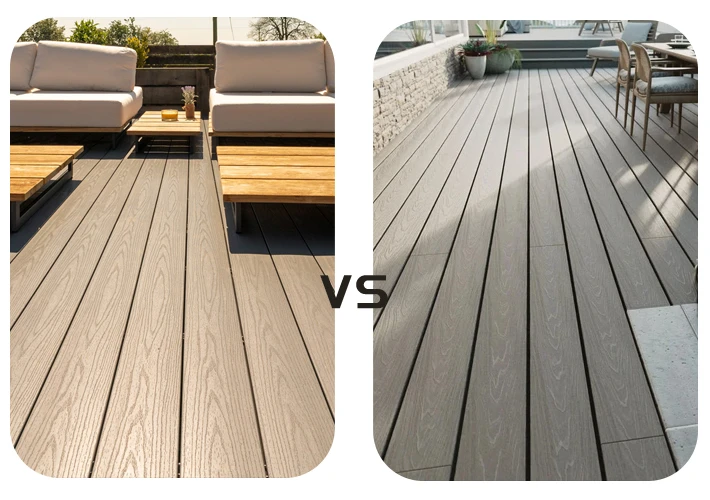
Composite Decking Appearance
Composite boards are known for:
- Realistic wood grain textures
- Deep embossing
- Varied color blending
- Natural-looking finishes
The presence of wood fibers gives composite decking a warmer, more authentic wood feel.
PVC Decking Appearance
PVC decking has evolved significantly in recent years. Modern PVC boards offer:
- Advanced 3D wood patterns
- Matte finishes
- Wide color ranges
- Contemporary clean aesthetics
While earlier PVC products looked more synthetic, today’s high-end options closely mimic natural hardwood.
Color Stability
Both materials perform well in color stability when capped. However, PVC often retains brightness slightly longer under intense UV exposure.
Heat Retention and Comfort Underfoot
Deck surface temperature is an important factor, particularly in hot climates.
- PVC decking generally reflects more heat and remains slightly cooler than composite.
- Dark-colored boards (both PVC and composite) absorb more heat.
- Lighter shades reduce surface temperature significantly.
In regions with intense sunlight, color choice may matter more than material type.
For commercial hospitality spaces such as resorts and rooftop decks, cooler surface performance can enhance user comfort.
Structural Performance and Installation Differences
Although both materials are installed similarly, there are subtle differences.
Weight Comparison
- Composite decking is heavier and denser.
- PVC decking is lighter and easier to handle.
The lighter weight of PVC can reduce transportation and labor costs.
Flexibility and Joist Spacing
Composite boards tend to be more rigid. PVC may require closer joist spacing depending on manufacturer specifications.
Expansion and Contraction
Both materials expand and contract with temperature changes. Proper gap spacing during installation is critical.
Professional installation following manufacturer guidelines ensures maximum lifespan and warranty compliance.
Cost Analysis: Initial Price vs Long-Term Value
Cost is often the deciding factor.
Material Cost (Approximate Global Range)
- PVC Decking: Higher initial price
- Composite Decking: Moderate price range
PVC boards often cost 10–20% more than comparable composite products due to their fully synthetic composition and enhanced moisture resistance.
Installation Cost
Installation costs are generally similar, though PVC’s lighter weight may reduce labor intensity.
Lifecycle Cost
When evaluating 20–30 years of performance:
- PVC may offer lower maintenance cost
- Composite may require slightly more cleaning over time
Neither material requires sealing, staining, or annual refinishing like wood.
Long-term value depends on environmental conditions and project requirements.
Environmental Impact and Sustainability
Sustainability is increasingly important in construction decisions.
Composite Decking Sustainability
- Often contains recycled plastic and reclaimed wood fibers
- Reduces landfill waste
- Lower reliance on virgin plastic
Composite decking typically has a sustainability advantage in terms of recycled content.
PVC Decking Sustainability
- Longer lifespan reduces replacement frequency
- Fully recyclable in certain production systems
- Highly durable in extreme climates
While PVC production requires more virgin polymer, its extended lifespan may offset environmental concerns over time.
For eco-focused projects, material sourcing transparency is critical.
Application Scenarios: Where Each Material Performs Best
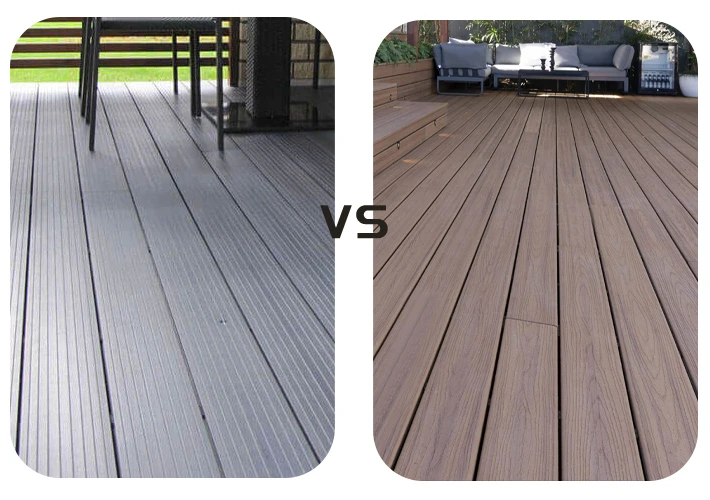
Best Applications for PVC Decking
- Marine environments
- Pool decks
- Coastal residential projects
- High-humidity regions
- Commercial hospitality decks
Best Applications for Composite Decking
- Residential backyard decks
- Rooftop terraces
- Outdoor dining spaces
- Suburban housing developments
- Projects prioritizing wood aesthetics
Understanding environmental exposure conditions helps determine the optimal material choice.
Market Trends and Industry Growth
The global decking market continues to grow rapidly due to increasing outdoor living trends.
Key Drivers
- Rising labor costs (favoring low-maintenance materials)
- Growth in home renovation
- Increased awareness of long-term durability
- Expanding commercial hospitality projects
North America remains the largest market for PVC and composite decking. Europe follows closely, particularly in residential renovation and sustainable building sectors.
Asia-Pacific manufacturing continues expanding, supplying global distributors and developers with competitive pricing and large-scale production capacity.
Demand is shifting toward capped boards with enhanced UV protection and anti-slip technology.
Common Misconceptions About PVC and Composite Decking
Myth 1: PVC Looks Cheap
Modern PVC boards now feature high-definition wood patterns and premium finishes comparable to composite decking.
Myth 2: Composite Always Warps
Properly manufactured capped composite decking resists warping when installed correctly.
Myth 3: PVC Is Always Better
PVC excels in moisture resistance, but composite may offer superior aesthetic warmth and recycled content advantages.
Myth 4: Both Are Maintenance-Free
While low-maintenance, both materials still require periodic cleaning to maintain appearance.
How to Choose Between PVC and Composite Decking
Choosing the right decking material depends on:
- Climate conditions
- Budget
- Desired appearance
- Long-term maintenance expectations
- Project scale
- Sustainability goals
Choose PVC If:
- Moisture exposure is high
- Coastal or poolside installation
- Lowest maintenance priority
- Long-term color retention is critical
Choose Composite If:
- Natural wood appearance is top priority
- Sustainability and recycled content matter
- Slightly lower initial cost is desired
- Dense and solid feel is preferred
There is no universal “best” choice—only the best fit for your specific project conditions.
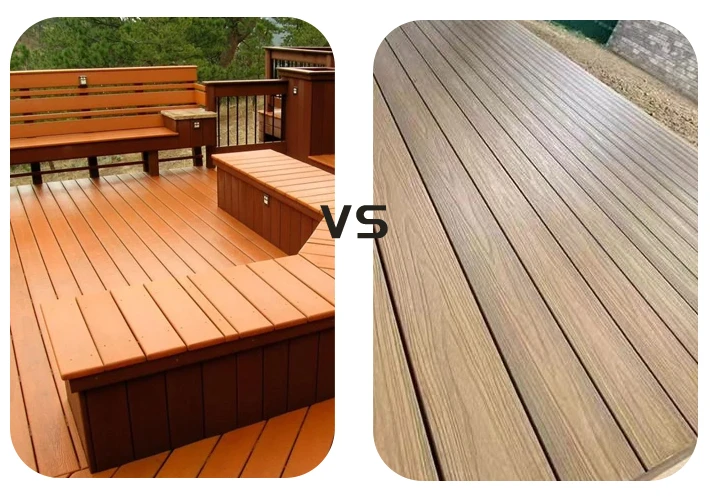
Final Verdict: PVC vs Composite Decking
Both PVC and composite decking represent major advancements over traditional wood decking. They provide:
- Long lifespan
- Low maintenance
- Weather resistance
- Structural reliability
- Modern design flexibility
PVC decking stands out in moisture-heavy environments and ultra-low maintenance needs. Composite decking excels in natural aesthetics and sustainability appeal.
For residential homeowners, either option provides significant value over wood. For commercial developers, climate exposure and lifecycle cost analysis should guide the final decision.
As outdoor living continues to grow globally, both PVC and composite decking will remain dominant choices in the building materials industry.