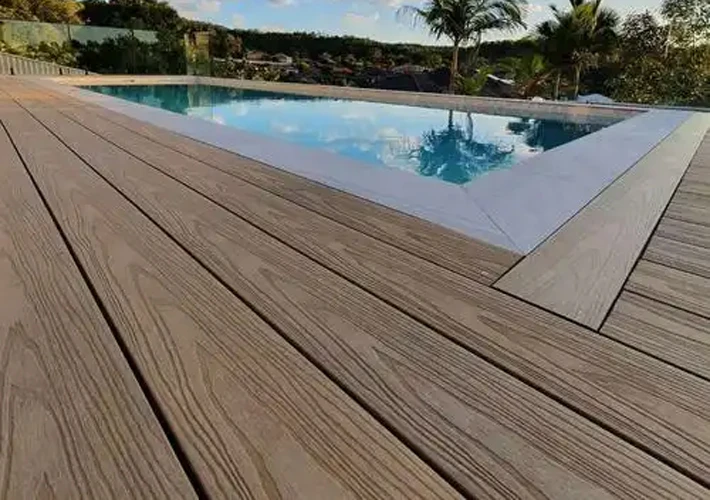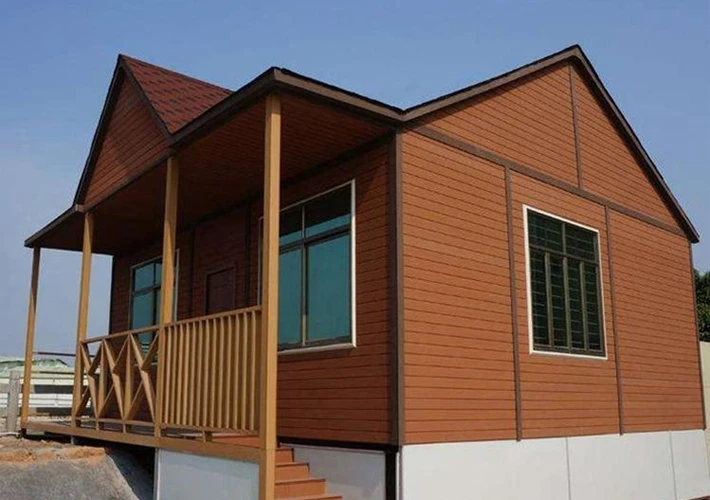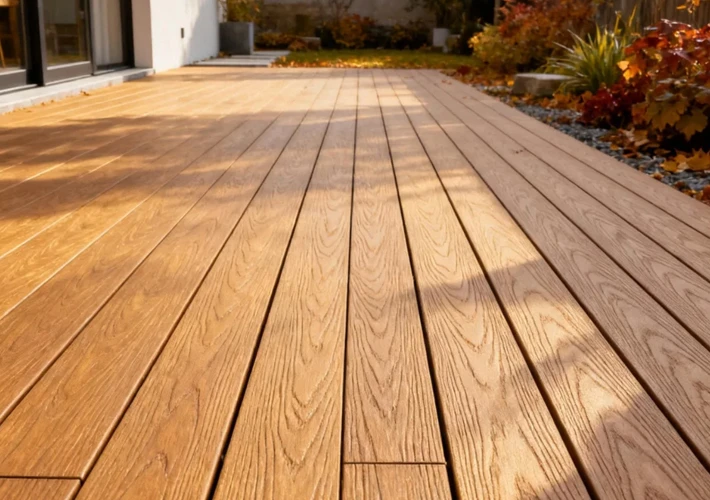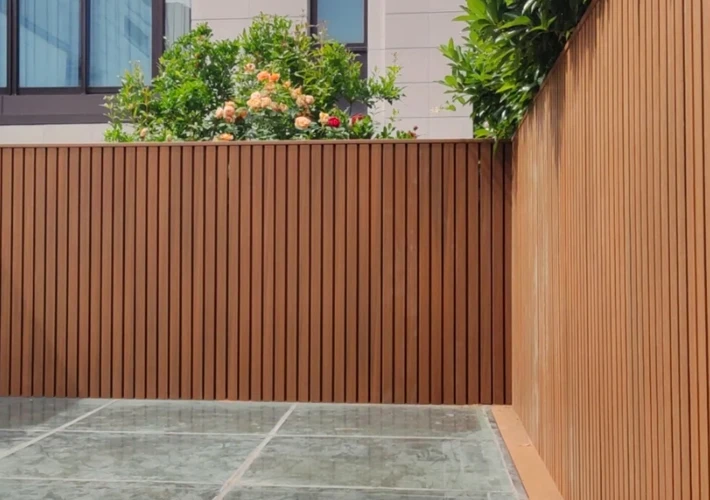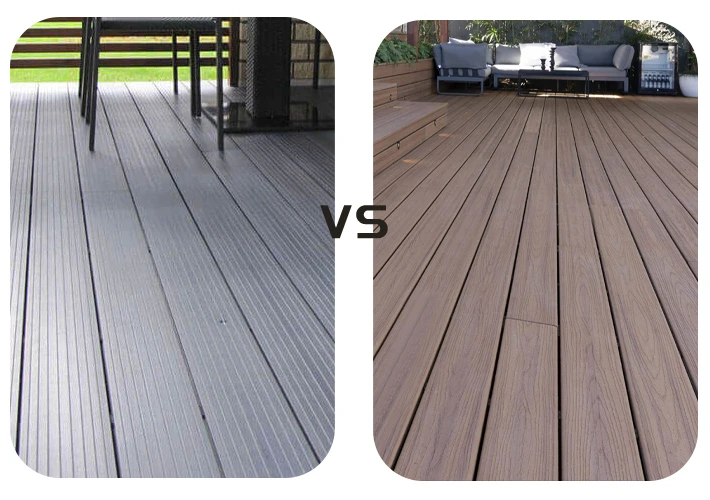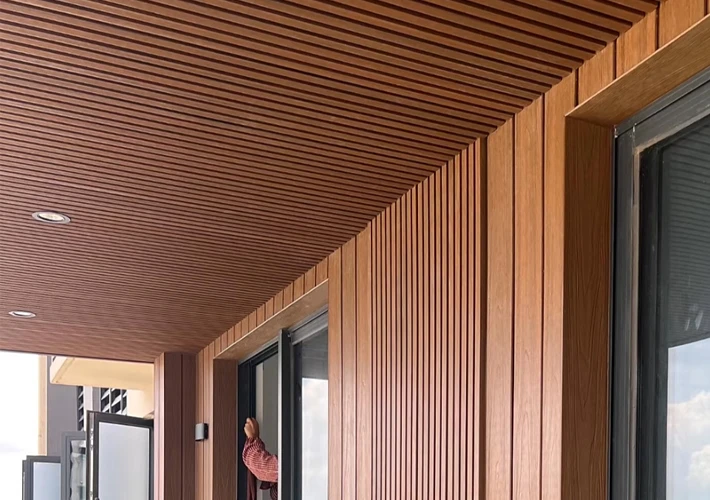

Outdoor decking is an essential element in modern landscape design, widely used in residential gardens, hotels, resorts, restaurants, and commercial buildings. For decades, timber decking dominated the market because of its natural appearance and availability. However, with the development of new building materials, WPC (Wood Plastic Composite) decking has become increasingly popular around the world.
Property developers, architects, and distributors often ask an important question: Is WPC composite decking better than timber decking?
The answer depends on several factors including durability, maintenance, environmental impact, installation, cost, and long-term performance. In this article, we will comprehensively compare WPC composite decking and traditional timber decking to help contractors, wholesalers, and project developers make the right decision.
What Is WPC Composite Decking?
WPC composite decking is an engineered material made from a combination of wood fibers, plastic polymers, and additives. These materials are mixed, heated, and extruded into decking boards that mimic the appearance of natural wood while offering enhanced durability.
Typical raw materials include:
- Recycled wood powder or bamboo fiber
- High-density polyethylene (HDPE) or PVC
- UV stabilizers and color pigments
- Anti-fungal and anti-mildew additives
The result is a hybrid material that combines the aesthetics of wood with the performance advantages of plastic.
Because of its strong performance and sustainability, WPC decking has become widely used i
- Outdoor patios
- Swimming pool areas
- Garden walkways
- Hotel terraces
- Public parks
- Commercial landscape projects
Compared with traditional timber decking, WPC decking offers significant advantages in durability and maintenance.
What Is Timber Decking?
Timber decking refers to outdoor flooring made from natural wood. Common timber species used for decking include:
- Pressure-treated pine
- Cedar
- Redwood
- Ipe
- Teak
These woods are chosen for their structural strength and resistance to weather conditions.
Timber decking has been widely used for many years because of its natural beauty, warm texture, and classic appearance. However, wood is a natural material, meaning it is vulnerable to environmental factors such as moisture, insects, and UV exposure.
Without proper treatment and maintenance, timber decking can warp, rot, crack, or fade over time.
Durability Comparison: Which Material Lasts Longer?
Durability is one of the most important factors when choosing decking materials.
WPC Composite Decking Durability
WPC decking is engineered to resist the common problems associated with natural wood. The plastic component prevents water absorption, while additives improve resistance to UV rays and fungi.
Key durability advantages include:
- Resistant to rot and mold
- Waterproof performance
- Resistant to termites and insects
- High dimensional stability
- Reduced cracking and splintering
Many composite decking products last 20–30 years or more with minimal maintenance.
Some premium products even offer warranties of up to 25–50 years, depending on the manufacturer and installation quality.
Timber Decking Durability
Timber decking can also last many years if properly maintained. However, natural wood is susceptible to environmental damage.
Common issues include:
- Moisture absorption leading to rot
- UV damage causing fading and cracking
- Termite and insect attacks
- Warping due to temperature changes
Without regular maintenance, most timber decks typically last 10–20 years depending on wood type and climate conditions.
Conclusion
In terms of durability and lifespan, WPC composite decking generally outperforms timber decking.
Maintenance Requirements: Which Decking Is Easier to Maintain?
Maintenance costs can significantly affect the total lifecycle cost of decking materials.
Timber Decking Maintenance
Timber decks require continuous maintenance to preserve their appearance and structural integrity.
Typical maintenance includes:
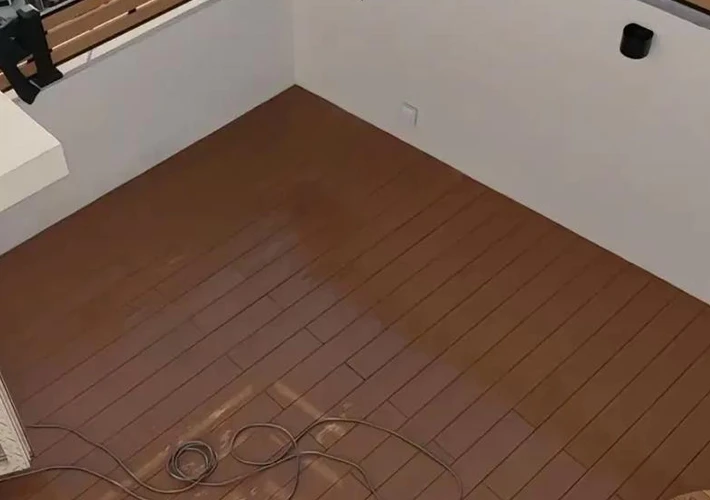
- Annual sanding
- Regular sealing or staining
- Cleaning and mildew removal
- Checking for insect damage
- Replacing damaged boards
Without proper maintenance, timber decks can deteriorate quickly.
Experts recommend sealing or oiling timber decks every 1–2 years to protect against moisture and UV exposure.
WPC Decking Maintenance
WPC decking requires very little maintenance compared to wood.
Typical maintenance includes:
- Occasional sweeping
- Washing with soap and water
- Removing debris or stains
Unlike timber, composite decking does not require painting, sealing, or sanding.
This low-maintenance feature is one of the main reasons why commercial developers prefer composite materials.
Conclusion
If minimal maintenance is a priority, WPC decking is the clear winner.
Cost Comparison: Initial Cost vs Long-Term Cost
Cost is often a deciding factor when selecting decking materials.
Timber Decking Cost
Timber decking usually has a lower initial purchase cost, especially when using softwood species such as pine.
However, long-term costs include:
- Maintenance materials
- Labor costs for sanding and staining
- Replacement of damaged boards
Over time, these maintenance expenses can significantly increase the total project cost.
WPC Composite Decking Cost
Composite decking generally has a higher initial price than basic timber decking.
However, because it requires minimal maintenance and lasts longer, it can be more cost-effective over time.
Studies show that while composite decking costs more upfront, it often becomes more economical in the long run due to reduced maintenance expenses.
Conclusion
- Short-term budget → Timber decking
- Long-term value → WPC composite decking
Environmental Impact and Sustainability
Sustainability is becoming increasingly important in modern construction.
Timber Decking Environmental Impact
Timber is a natural and renewable resource when sourced from responsibly managed forests.
However, some concerns include:
- Deforestation
- Chemical treatments required for durability
- Shorter product lifespan leading to more replacements
WPC Decking Environmental Benefits
Many WPC decking products are made from recycled materials, including recycled plastics and reclaimed wood fibers.
Environmental advantages include:
- Reduced waste plastic
- Longer product lifespan
- Lower demand for natural timber
- Recyclable materials
As sustainability standards increase worldwide, composite decking is becoming a preferred solution for eco-friendly construction projects.
Aesthetic Appearance and Design Options
Appearance plays a significant role in outdoor design.
Timber Decking Appearance
Timber decking offers:
- Natural grain patterns
- Authentic wood texture
- Warm and organic appearance
For homeowners who value traditional aesthetics, natural wood remains highly attractive.
However, wood color may fade over time due to UV exposure.
WPC Decking Appearance
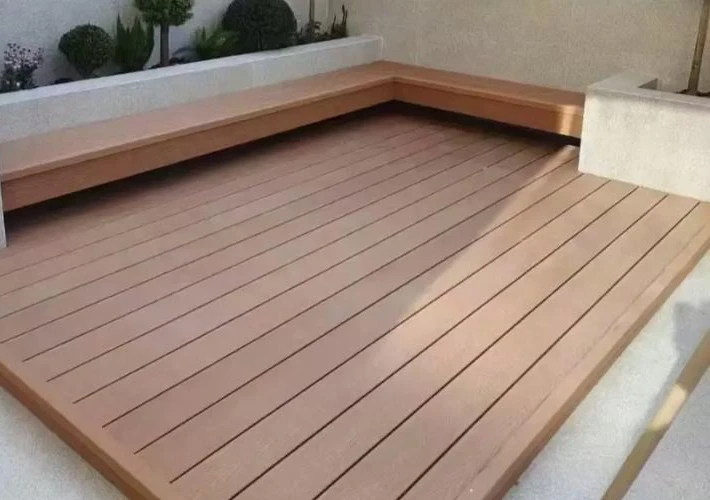
Modern WPC decking technology has significantly improved its visual appearance.
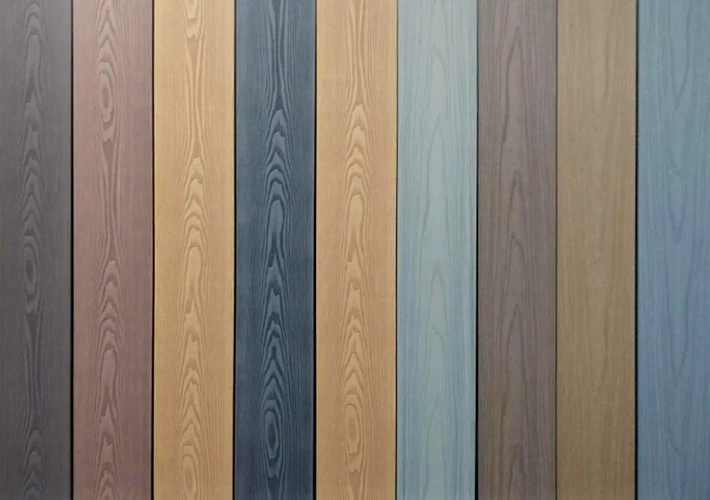
Features include:
- Realistic wood grain textures
- Multiple color options
- Consistent surface quality
- 3D embossed finishes
Unlike wood, composite decking maintains its color longer because UV stabilizers reduce fading.
Conclusion
Both materials offer attractive appearances, but WPC decking provides more consistent and customizable design options.
Installation and Structural Performance
Installation efficiency can affect project timelines and labor costs.
Timber Decking Installation
Timber decking installation usually involves:
- Screws or nails
- Surface fastening systems
- On-site cutting and finishing
While installation is straightforward, timber boards may shrink or expand due to humidity.
WPC Decking Installation
Most composite decking systems include:
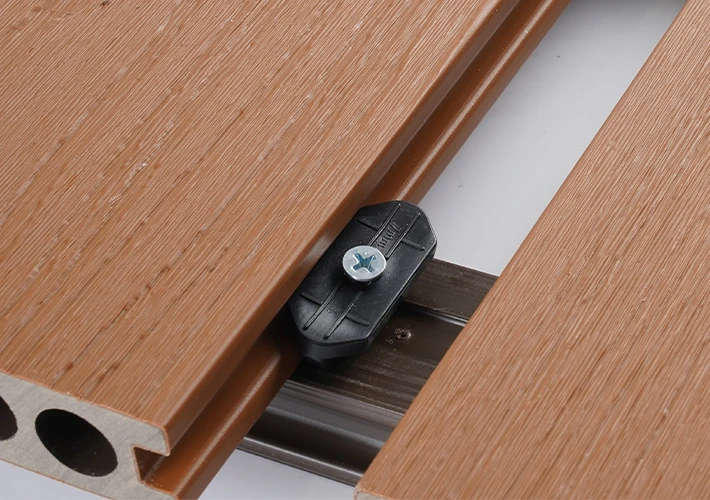
- Hidden fastening systems
- Modular installation methods
- Pre-finished boards
These features create a cleaner appearance and faster installation process.
However, WPC boards may require proper spacing to allow thermal expansion.
Which Decking Is Better for Commercial Projects?
For large commercial projects such as hotels, resorts, and public spaces, durability and maintenance costs are critical.
Many architects and developers now choose WPC decking for:
- Hotel outdoor terraces
- Resort pool areas
- Public landscape projects
- Restaurant outdoor seating areas
The reasons include:
- Long service life
- Low maintenance costs
- Stable performance in harsh weather
- Modern design flexibility
These advantages make WPC decking particularly suitable for large-scale construction projects.
Conclusion: Is WPC Composite Decking Better Than Timber Decking?
Both materials have their own advantages, but overall performance comparisons show that WPC composite decking offers significant benefits over traditional timber decking.
Choose WPC Composite Decking if you want:
- Long lifespan (20–30+ years)
- Minimal maintenance
- Resistance to rot, insects, and moisture
- Modern appearance and color stability
- Long-term cost savings
Choose Timber Decking if you prefer:
- Natural wood aesthetics
- Lower upfront material cost
- Traditional outdoor design
For most modern residential and commercial projects, WPC composite decking provides a more durable, low-maintenance, and sustainable solution.
Final Thoughts
With the global construction industry increasingly focusing on durability, sustainability, and lifecycle cost, WPC composite decking has become one of the fastest-growing outdoor flooring materials.
For distributors, contractors, and project developers, choosing the right supplier is equally important as choosing the right material.
A professional manufacturer can ensure:
- Stable product quality
- Custom colors and textures
- Reliable delivery for large projects
- Competitive wholesale pricing
If you are planning outdoor decking projects or looking for a reliable composite decking supplier, working with an experienced manufacturer will help ensure the long-term success of your project.