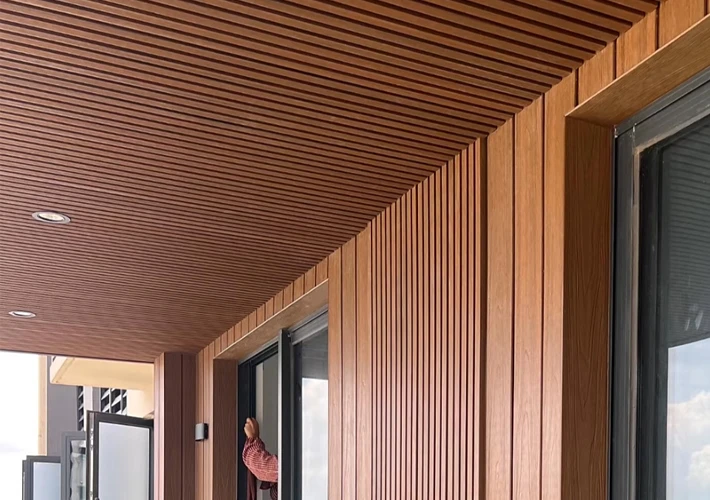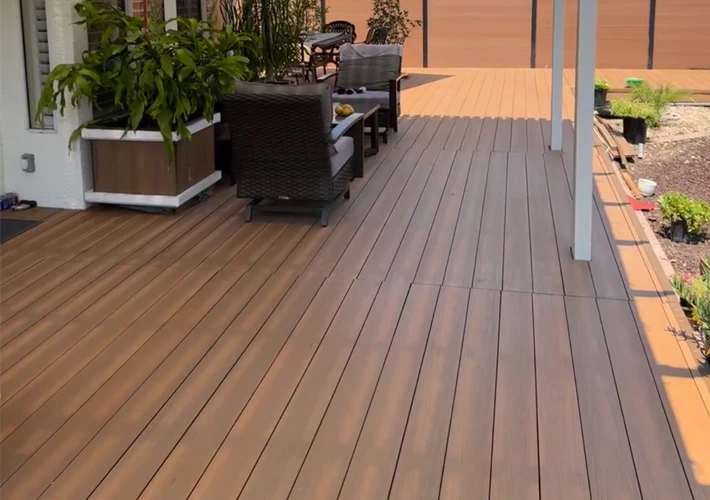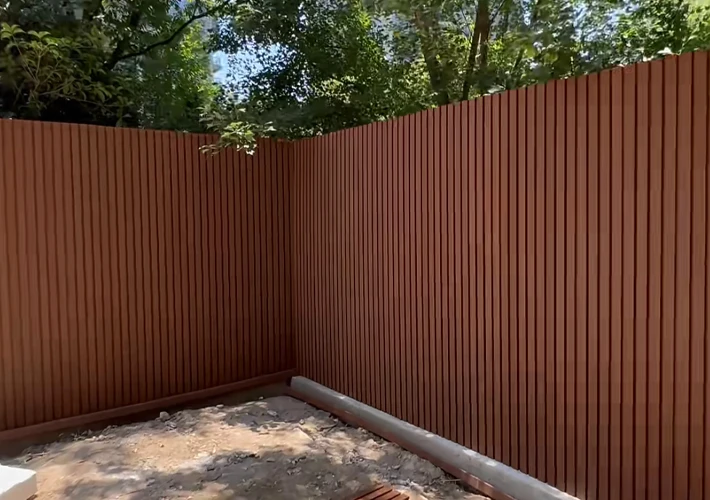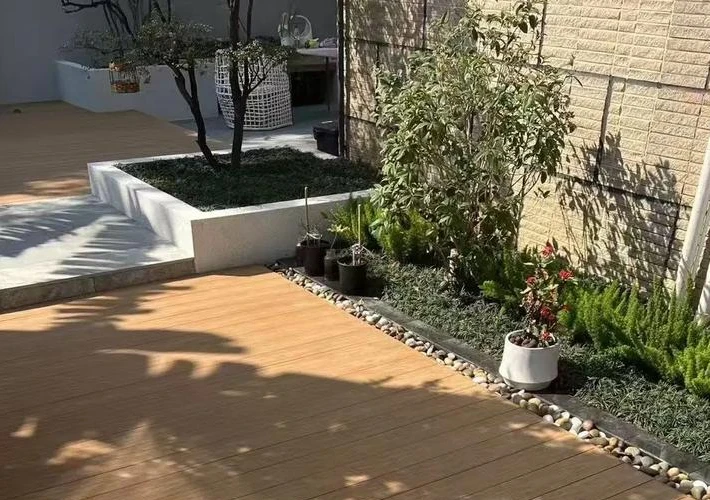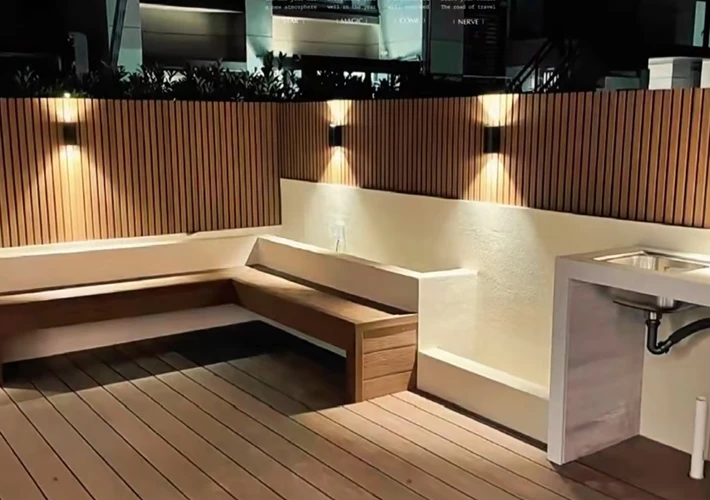

Introduction: Why the Brazilian Market Matters to WPC Decking Manufacturers
Over the past decade, Wood Plastic Composite (WPC) decking has transitioned from a niche alternative material into a mainstream solution for outdoor flooring worldwide. As a professional WPC decking manufacturer based in China, we have observed particularly strong and consistent growth from the Brazilian market, both in inquiries and long-term cooperation with local distributors and project contractors.
Brazil stands out due to its large construction volume, tropical climate, strong demand for outdoor living spaces, and increasing awareness of low-maintenance materials. From residential balconies and gardens to commercial resorts and public walkways, WPC decking is becoming an increasingly preferred option.
This article provides a comprehensive, market-oriented analysis of how WPC decking is performing in Brazil—combining market data, real project feedback, and export experience from a Chinese factory perspective.
Overview of the Brazilian WPC Decking Market
2.1 Market Size and Growth Momentum
Brazil is currently one of the fastest-growing composite decking markets in Latin America. The broader composite decking and railing market is projected to maintain double-digit annual growth over the next decade, driven by:
- Continuous urban expansion
- Infrastructure upgrades
- Tourism and hospitality projects
- Residential renovation trends
From our factory’s export data, Brazil has evolved from trial orders to repeat bulk purchases, indicating that WPC decking has moved beyond early adoption and entered a stable growth phase.
2.2 Why Brazil Is a Natural Fit for WPC Decking
From a manufacturer’s viewpoint, Brazil presents ideal conditions for WPC products:
- High humidity & rainfall → traditional wood deteriorates quickly
- Strong UV exposure → demands color stability
- Termite-prone regions → need for insect-resistant materials
WPC decking addresses all of these challenges more effectively than natural timber, which explains its rising acceptance across Brazil.
Key Drivers Behind WPC Decking Growth in Brazil
3.1 Climate Resistance as a Core Advantage
Brazil’s tropical and subtropical climate creates harsh conditions for outdoor flooring. Based on feedback from Brazilian clients:
- Solid wood decks often require frequent replacement
- Maintenance costs are unpredictable and rising
- Moisture-related deformation is common
High-quality WPC decking manufactured with optimized plastic-to-wood ratios and UV stabilizers performs significantly better, offering:
- Water resistance
- Anti-warping structure
- Long-term dimensional stability
This is one of the main reasons Brazilian buyers increasingly source WPC decking from experienced Chinese factories with mature extrusion technology.
3.2 Sustainability and Environmental Awareness
Brazil has strong environmental protection awareness, especially related to forests. As a result:
- Restrictions on hardwood use are tightening
- Imported tropical hardwood prices are increasing
- Developers seek alternatives with lower environmental impact
WPC decking, made from recycled plastics and wood fibers, aligns well with this trend. Chinese factories play a key role here by offering large-scale recycled-material processing capacity at competitive cost, enabling sustainable products without price inflation.
3.3 Long-Term Cost Efficiency Over Initial Price
While WPC decking may have a higher initial purchase cost compared to untreated wood, Brazilian buyers are increasingly focused on:
- Lifecycle cost
- Maintenance savings
- Warranty duration
From our export experience, once distributors understand the total cost of ownership, WPC decking becomes an easier sell in Brazil, especially for commercial projects.
Applications of WPC Decking in the Brazilian Market
4.1 Residential Projects
In Brazil, WPC decking is widely used in:
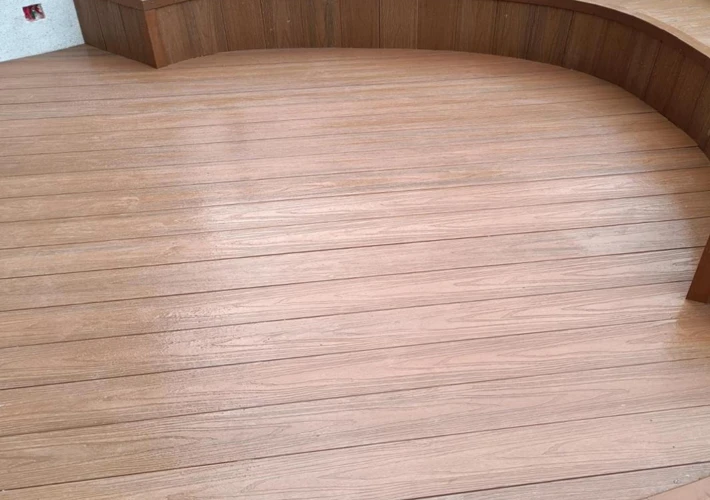
- Balconies and terraces
- Backyard decks
- Pool surroundings
- Rooftop leisure areas
Homeowners value anti-slip surfaces, barefoot comfort, and color stability, all of which can be customized by Chinese manufacturers for regional preferences.
4.2 Commercial and Hospitality Projects
Hotels, resorts, and eco-lodges are among the fastest-growing users of WPC decking in Brazil. From a factory supply perspective, these projects demand:
- Consistent color batches
- Fire-retardant options
- Large-volume, stable delivery schedules
This is where direct cooperation with a Chinese WPC decking factory becomes advantageous compared to small local producers.
4.3 Public and Municipal Use
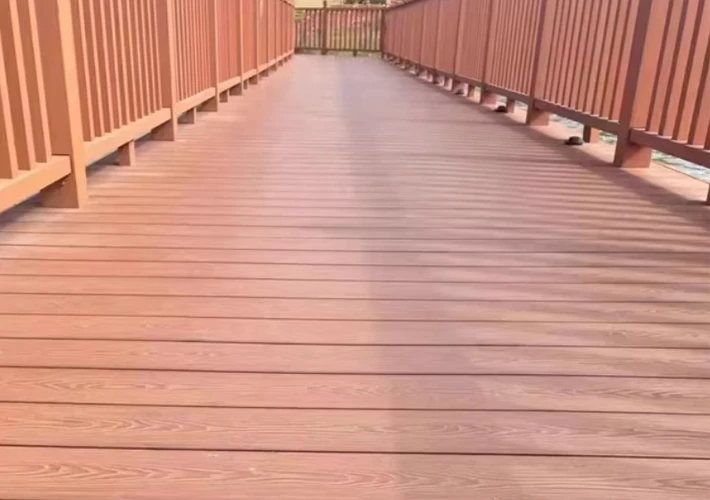
Public walkways, parks, and waterfront projects increasingly adopt WPC decking due to:
- Low maintenance for municipalities
- Long service life
- Resistance to vandalism and weather
Export-grade WPC decking manufactured in China is often selected for such projects due to certification compliance and cost control.
Competitive Landscape: Local Producers vs. Imported WPC Decking
5.1 Local Brazilian Manufacturers
Local suppliers benefit from:
- Shorter delivery times
- Familiarity with local regulations
However, they often face limitations in:
- Production scale
- Color and texture variety
- Raw material cost stability
5.2 Chinese WPC Decking Factories
As a Chinese manufacturer, our competitive strengths include:
- Large-scale extrusion lines
- Stable recycled raw material supply
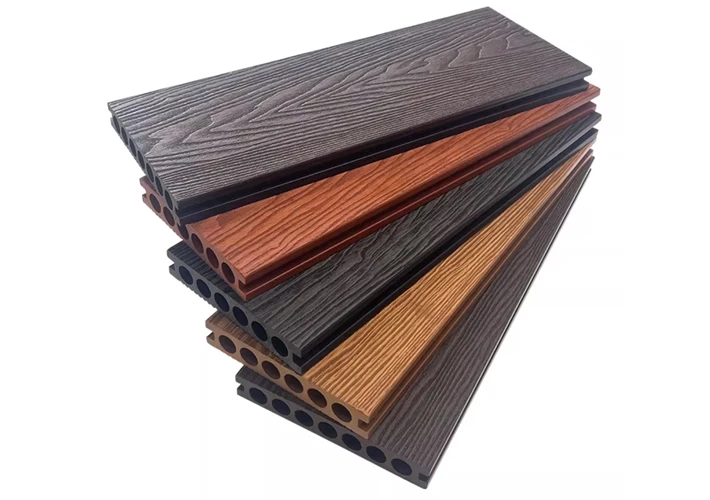
- Advanced surface treatments (3D embossing, co-extrusion)
- Export-standard quality control
For Brazilian distributors, importing from China allows them to differentiate product lines while maintaining attractive margins.
Challenges in the Brazilian WPC Decking Market
6.1 Price Sensitivity
Brazil remains a price-sensitive market. To address this, Chinese factories often offer:
- Multiple product grades
- OEM & private label solutions
- Optimized packaging for container loading
This flexibility helps Brazilian importers control cost without sacrificing quality.
6.2 Quality Variance in the Market
Not all WPC decking is equal. Inferior products lead to:
- Color fading
- Brittleness
- Customer dissatisfaction
This highlights the importance of sourcing from experienced Chinese factories with proven export records, rather than trading-only suppliers.
Future Trends for WPC Decking in Brazil
7.1 Continued Market Expansion
Based on current construction and renovation trends, Brazil’s WPC decking demand is expected to grow steadily, especially in:
- Coastal regions
- Tourism-driven cities
- Middle- and high-end residential developments
7.2 Product Innovation
Future demand will focus on:
- Co-extruded WPC decking
- Enhanced UV resistance
- More natural wood textures
- Improved fire performance
Chinese factories are heavily investing in R&D to meet these expectations.
7.3 Stronger Import–Distribution Partnerships
Rather than spot purchases, Brazilian buyers are moving toward long-term supply partnerships with overseas factories to ensure stable pricing and product consistency.
Why Brazilian Buyers Choose Chinese WPC Decking Factories
From real export cooperation experience, Brazilian partners value:
- Factory-direct pricing
- Custom profiles and colors
- Reliable container loading schedules
- Export documentation support
- Technical guidance for installation
A professional Chinese WPC decking factory is no longer just a supplier, but a strategic manufacturing partner.
Conclusion
So, how is WPC decking performing in the Brazilian market?
The answer is clear: strong, stable, and full of long-term potential.
Driven by climate suitability, sustainability requirements, and demand for low-maintenance outdoor solutions, WPC decking continues to gain market share across Brazil. For importers, distributors, and project developers, cooperating directly with a reliable Chinese WPC decking factory offers a balanced combination of quality, cost efficiency, and supply stability.
As the Brazilian market matures, partnerships built on consistent quality and manufacturing expertise will define the next stage of growth.