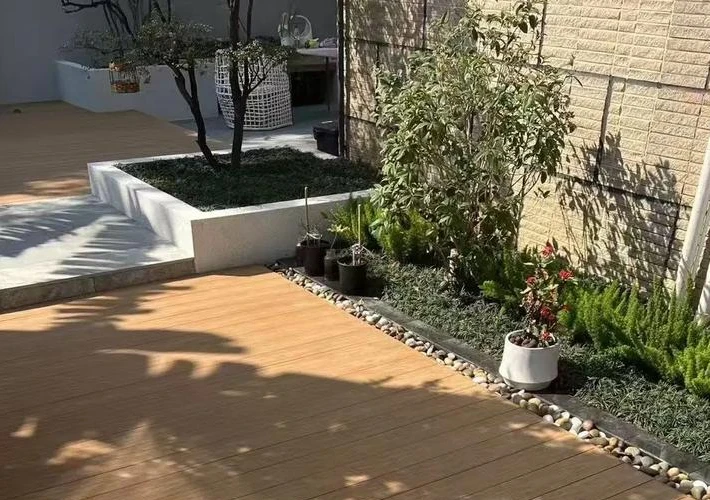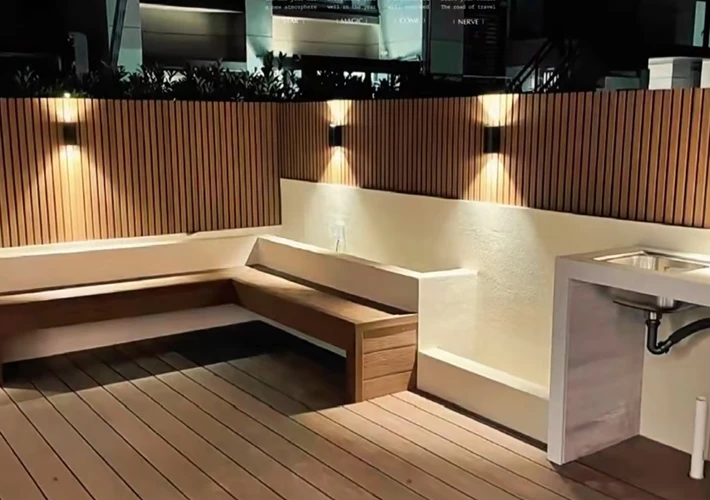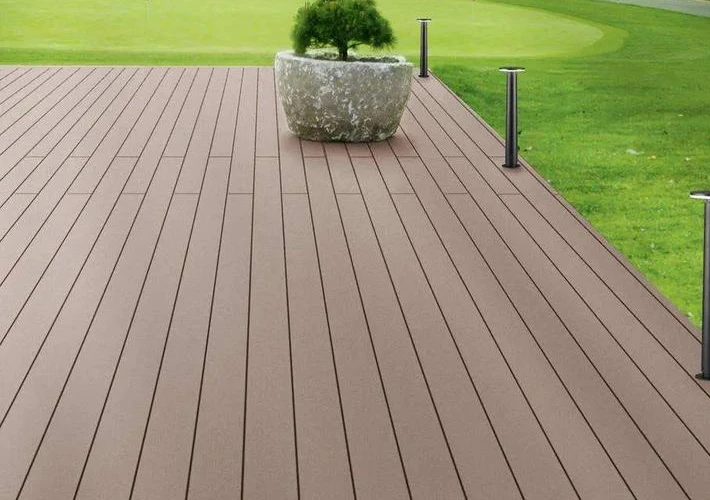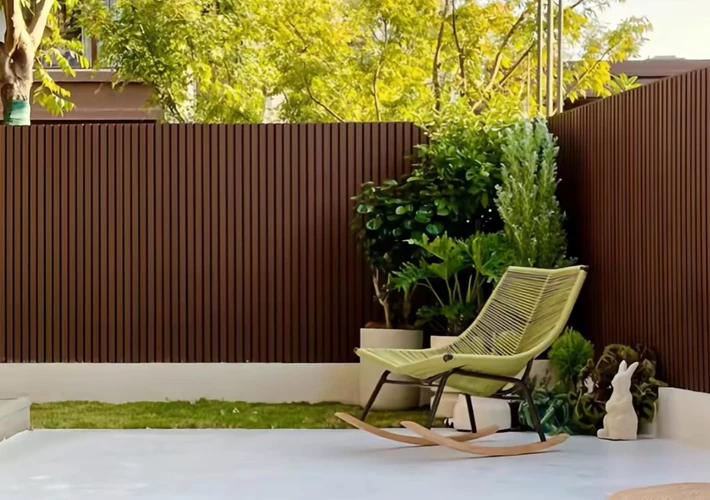

Composite wood cladding—often referred to as WPC (Wood Plastic Composite) cladding—has become one of the fastest-growing façade materials in modern commercial construction and public architecture. With increasing demand for sustainable materials, long service life, and low maintenance costs, architects and developers are rapidly replacing traditional timber and metal cladding with composite solutions.
This article provides a comprehensive focused deep dive into composite wood cladding, including performance advantages, architectural applications, market trends, technical performance, and future development directions.
What Is Composite Wood Cladding?
Composite wood cladding is a building façade material made from a blend of wood fibers and thermoplastic polymers, sometimes enhanced with additives such as UV stabilizers, fire retardants, and mineral fillers. The result is a material that mimics natural wood aesthetics while significantly improving durability and environmental performance.
Unlike traditional timber cladding, composite cladding is engineered for long-term structural stability, moisture resistance, and minimal maintenance requirements. It is widely used in:
- Commercial buildings
- Airports and transportation hubs
- Schools and universities
- Hospitals and healthcare facilities
- Government and municipal buildings
- Shopping malls and hotels
Composite cladding typically comes in various installation profiles such as shiplap, tongue-and-groove, and board-and-batten, making it adaptable to diverse architectural styles.
Additionally, many composite cladding products use recycled plastic and reclaimed wood fibers, helping reduce dependence on virgin timber and supporting green building certification programs such as LEED.
Key Performance Advantages for Commercial and Public Projects
1.Long Service Life
One of the most important factors for commercial construction is lifecycle cost. Composite cladding can typically last:
- 20–30 years or more depending on quality and environment
- Often backed by 15–25 year manufacturer warranties
This long lifespan significantly reduces replacement frequency and long-term capital expenditure.
2.Low Maintenance Requirements
Composite cladding does not require:
- Painting
- Staining
- Sealing
- Anti-termite treatment
Routine cleaning with water and mild detergent is usually sufficient.
For public buildings where maintenance disruption is costly, this is a major advantage.
3.Moisture, Mold, and Pest Resistance
Composite cladding is highly resistant to:
- Moisture absorption
- Mold and mildew growth
- Termite and insect damage
This makes it ideal for tropical, coastal, and humid climates.
4.Fire Performance
Many commercial-grade composite cladding systems can achieve flame-retardant ratings such as Class A or B1 depending on formulation.
This is critical for:
- High-rise buildings
- Public transport facilities
- Schools and hospitals
- High-density urban developments
5.Weather and UV Resistance
Advanced WPC products use co-extrusion or cap-layer technology to improve:
- UV stability
- Color retention
- Surface durability
These technologies help maintain appearance even under harsh sunlight exposure.
Why Architects Choose Composite Cladding for Public Architecture
Design Freedom
Composite cladding offers extensive design flexibility:
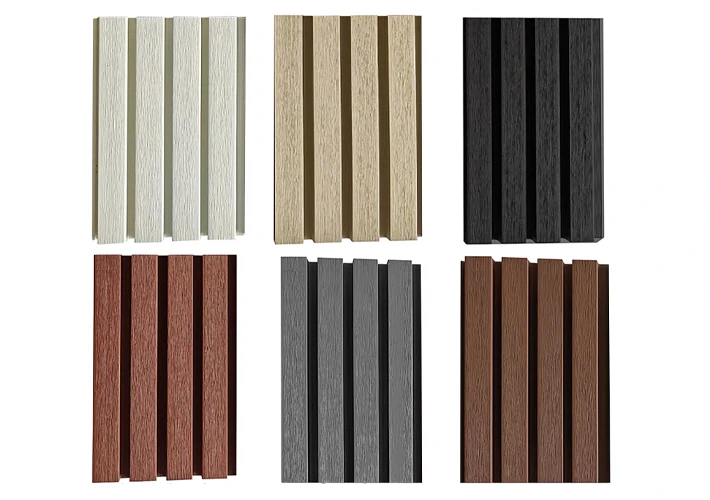
- Natural wood grain textures
- Modern matte or brushed finishes
- 3D embossed surfaces
- Dozens of color options
This allows architects to meet both aesthetic and performance goals.
Dimensional Stability
Composite cladding maintains structural stability under:
- Temperature fluctuation
- High humidity
- Freeze-thaw cycles
This prevents cracking, warping, or expansion-related façade damage.
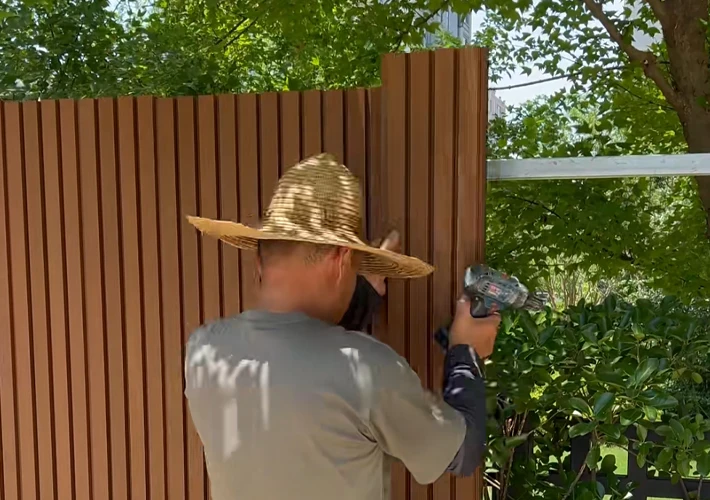
Lightweight Installation
Composite panels are typically lighter than solid wood or stone systems, reducing:
- Structural load requirements
- Installation labor time
- Transportation costs
Sustainability and Environmental Value
Sustainability is now a core requirement for public architecture and large commercial developments.
Composite wood cladding supports sustainability goals through:
Recycled Material Content
Many WPC products use:
- Recycled plastics
- Industrial wood waste
This reduces landfill waste and conserves natural timber resources.
Reduced Maintenance Environmental Impact
Composite cladding reduces chemical usage by eliminating:
- Wood preservatives
- Paint solvents
- Anti-fungal treatments
Energy Efficiency Contribution
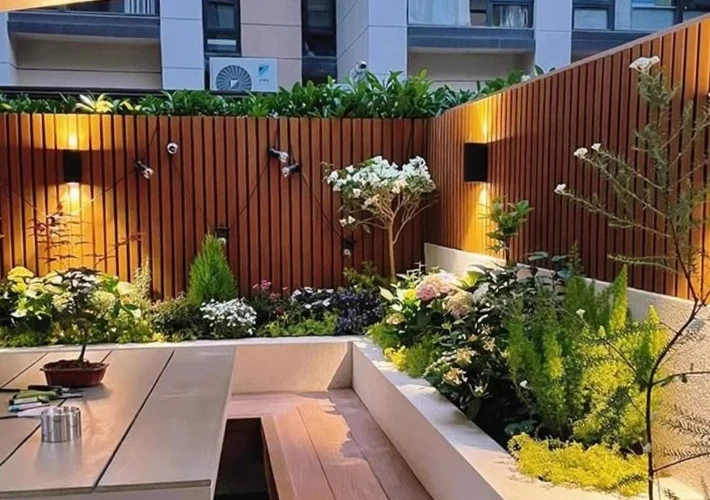
Ventilated façade systems using composite cladding create air gaps that improve thermal insulation and reduce HVAC energy consumption.
Commercial and Public Building Application Scenarios
1.Commercial Office Buildings
Composite cladding provides:
- Modern corporate image
- Long-term façade stability
- Low lifecycle cost
2.Transportation Infrastructure
Applications include:
- Metro stations
- Airports
- Bus terminals
High impact resistance and fire compliance are essential for these spaces.
3.Educational Buildings
Benefits include:
- Safe fire performance
- Easy cleaning
- Long-term durability
4.Healthcare Facilities
Hospitals benefit from:
- Mold resistance
- Hygienic surfaces
- Chemical cleaning tolerance
5.Hospitality and Retail
Composite cladding enhances brand image through customizable textures and colors.
Global Market Trends Driving Composite Cladding Growth
Market data shows strong growth driven by sustainability and urbanization.
Key insights include:
- Composite cladding adoption is approaching 41% in some regions
- Exterior cladding retrofit projects drive nearly 49% of demand
- Fire-compliant façade materials are specified in nearly 48% of urban projects
- Asia-Pacific accounts for about 37% of global cladding demand
Rapid urban expansion and green building regulations are major drivers of composite cladding adoption.
Technical Considerations for Commercial Project Selection
Fire Certification
Look for certifications such as:
- ASTM E84
- EN 13501
- B1 flame retardant rating
UV Protection Technology
High-quality cladding should include:
- Co-extruded protective layers
- UV inhibitors
Density and Core Structure
Higher density generally improves:
- Impact resistance
- Dimensional stability
Installation System
Proper ventilation gap design is critical for long-term performance.
Future Development Trends in Composite Wood Cladding
1.Advanced Fire-Resistant Formulations
Next-generation composite cladding integrates mineral fillers and halogen-free flame retardants.
2.Smart Coating Technologies
Self-cleaning and anti-bacterial surface coatings are under development.
3.Carbon Footprint Reduction
Manufacturers are increasing recycled content and improving production energy efficiency.
4.AI-Driven Façade Design
Parametric façade systems using composite panels are becoming more common in public landmark buildings.
Conclusion
Composite wood cladding is transforming the construction of commercial buildings and public architecture by combining durability, sustainability, and design flexibility. Compared with traditional timber or metal cladding, composite cladding delivers:
- 20–30+ year lifespan
- Minimal maintenance requirements
- Strong moisture, pest, and UV resistance
- Improved fire performance
- Sustainable material sourcing
As global construction moves toward low-carbon, high-performance materials, composite wood cladding is expected to become a standard façade solution across commercial and public sectors worldwide.