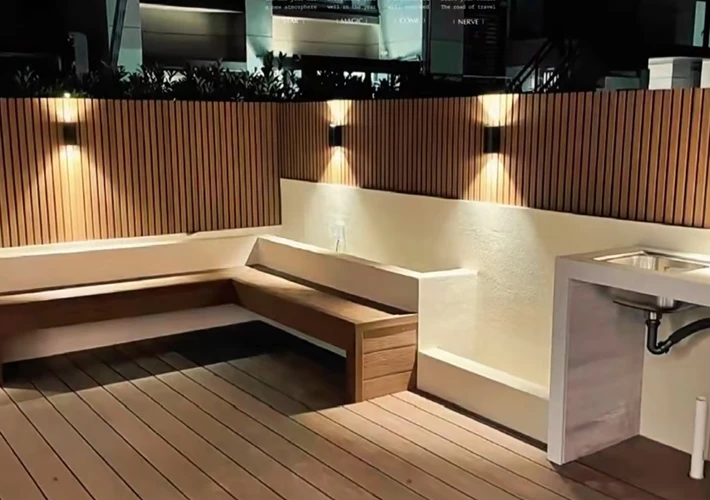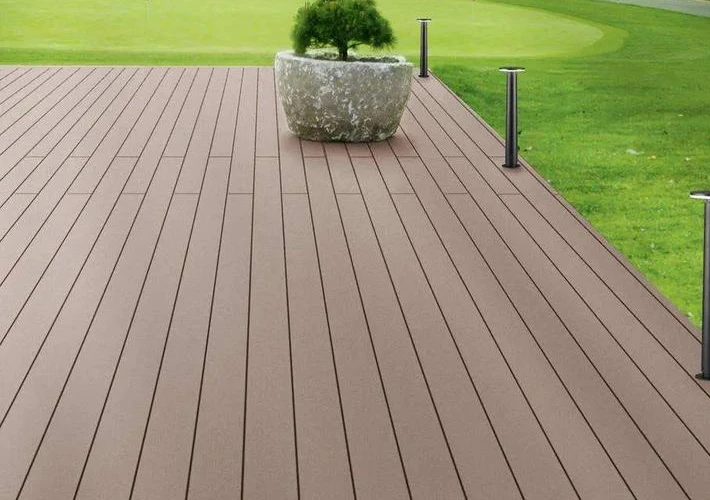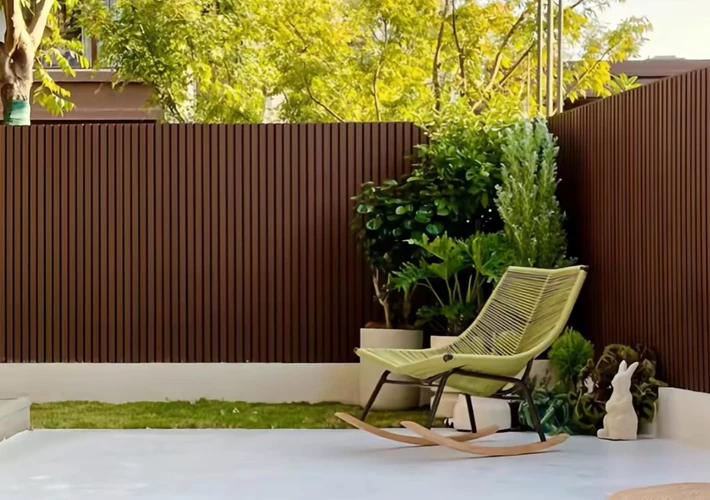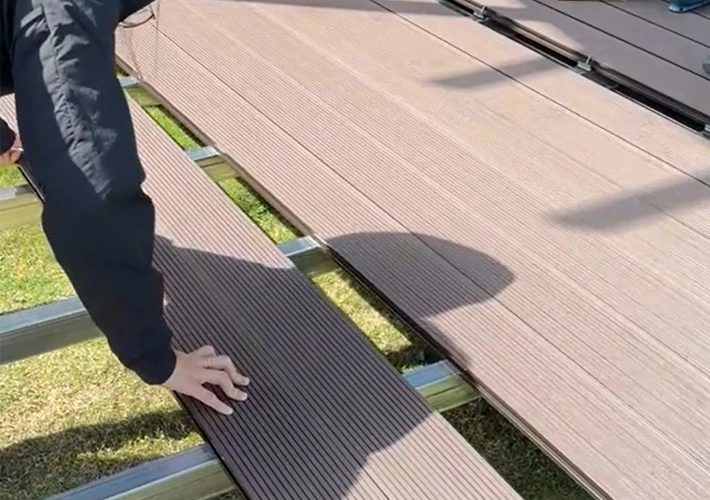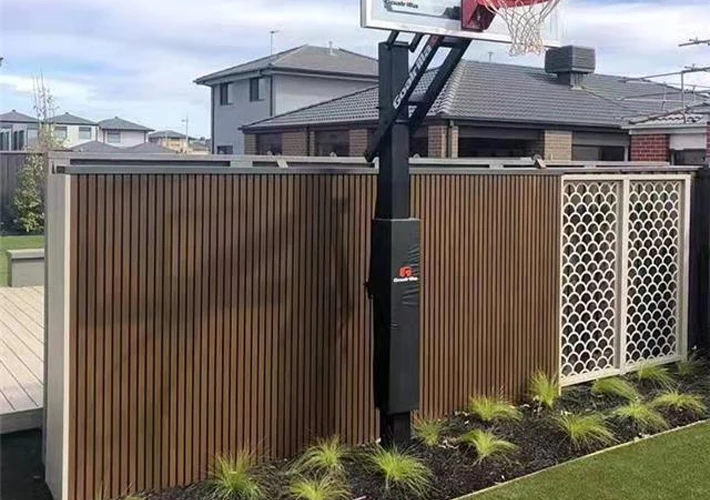

Introduction: The Growing Demand for Composite Decking Tiles
Composite decking tiles represent an innovative and increasingly popular outdoor flooring solution, blending aesthetics, performance, and sustainability. Unlike traditional wood decking, composite decking tiles are manufactured using a blend of wood fibers and high-density polyethylene (HDPE) or polypropylene, often with added UV stabilizers and anti-fade agents. This combination results in a product that offers the look of natural wood with the robustness of engineered materials.
In recent years, Europe and Australia have emerged as two of the most dynamic markets for composite decking tiles. Several factors—ranging from climatic conditions and outdoor lifestyle trends to environmental regulations and economic considerations—have fueled demand in these regions. This article explores the European and Australian markets in depth, examining key drivers, regional preferences, challenges, competitive landscapes, and strategic opportunities for suppliers and manufacturers.
By the end of this analysis, B2B buyers, importers, distributors, and industry stakeholders will have a comprehensive understanding of how to approach and succeed in these two geographically and culturally distinct markets.
Market Overview: Europe vs. Australia
1.1 European Market Landscape
Europe is a multifaceted region with diverse climatic zones, architectural traditions, and consumer preferences. From the Mediterranean warmth of Spain and Italy to the temperate climates of France, Germany, and the UK, demand for outdoor decking solutions varies significantly across countries. However, common trends are driving composite decking adoption across the EU:
- Urban Outdoor Living: Homeowners and property developers increasingly value outdoor terraces, balconies, and garden spaces as extensions of the living area. Composite decking tiles provide a low-maintenance, attractive flooring solution.
- Renovation and Restoration Projects: Europe’s vast stock of historical and older residential buildings creates demand for renovation solutions that blend traditional aesthetics with modern performance.
- Sustainability Policies: The European Green Deal and carbon reduction targets have influenced both public and private procurement decisions. Products with recycled content or environmental certifications are preferred.
1.2 Australian Market Dynamics
Australia’s outdoor lifestyle is deeply ingrained in its culture, with warm weather, coastal living, and BBQ culture driving demand for durable exterior materials. Composite decking tiles are well aligned with Australian needs due to:
- Harsh Sunlight and UV Exposure: The Australian climate subjects outdoor materials to intense UV radiation and heat. Decking products must resist fading, warping, and cracking.
- Saltwater & Coastal Conditions: Coastal properties demand materials that withstand salt spray and moisture without corrosion or rot.
- Lifestyle Trends: Outdoor entertainment areas, pool surrounds, and resort-style backyard designs are common in Australia’s residential and commercial projects.
Why Composite Decking Tiles are Preferred
2.1 Durability and Longevity
One of the strongest value propositions of composite decking tiles is their durability. Unlike traditional timber decking, which requires regular staining, sealing, and replacement, composite tiles resist:
- Rot and Decay
- Pest Infestation
- Moisture Damage
- Warping and Splitting
In both Europe and Australia, where rainy seasons and coastal conditions are common, these properties significantly reduce long-term maintenance costs.
2.2 Low Maintenance Requirements
Composite decking tiles typically only require occasional cleaning with soap and water. This low maintenance nature appeals to both busy homeowners and commercial property managers. In colder European climates where wood can expand and contract with freezing and thawing cycles, the stable composition of decking tiles minimizes seasonal movement.
2.3 Aesthetic Versatility
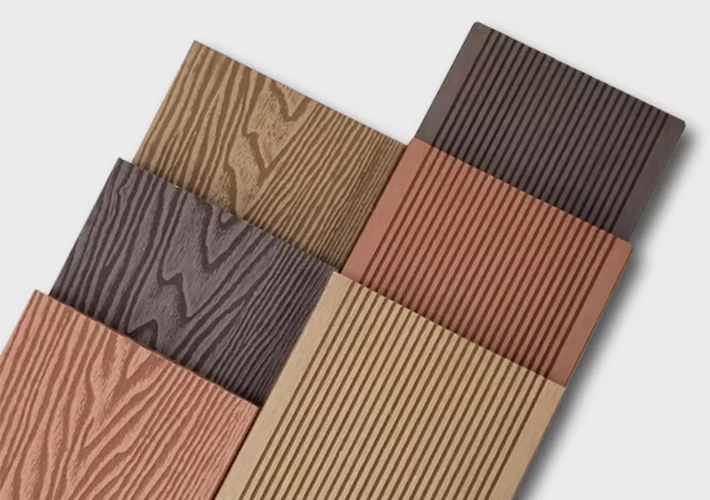
Modern manufacturing technologies allow composite decking tiles to closely mimic natural wood grains, colors, and textures. European customers often prefer subtler tones and finishes that harmonize with contemporary architecture—such as ash gray, walnut brown, and cedar finishes—while Australian buyers may favor warmer hues that resonate with outdoor tropical and coastal aesthetics.
2.4 Environmental and Regulatory Benefits
Both Europe and Australia have increasing regulations around sustainable materials and chemical use. Many composite decking tiles are made with recycled wood fibers and plastics, and some are certified with environmental product declarations (EPDs) or meet EU REACH compliance standards. This helps manufacturers position their products as both premium and responsible, particularly in markets where green procurement policies are gaining traction.
Regional Market Preferences and Trends
3.1 European Preferences by Sub-Region
Northern Europe (UK, Scandinavia)
- Climate: Wet and cold weather with frequent freeze–thaw cycles.
- Consumer Demand: High durability and slip resistance.
- Popular Features: Grooved anti-slip surfaces, darker muted finishes to hide dirt, and deep wood grains.
Western Europe (France, Germany, Benelux)
- Consumer Profile: Mix of urban balconies and garden terraces.
- Design Preferences: Smooth finishes and contemporary colors (e.g., gray, anthracite).
- Regulatory Focus: Strong emphasis on eco-labels and recycled content.
Southern Europe (Spain, Italy, Portugal)
- Climate: Hot, sunny, and dry.
- Decking Needs: UV-resistant coatings, heat-reflective surfaces.
- Aesthetics: Warmer wood tones that mimic native Mediterranean woods.
3.2 Australian Regional Trends
Australia’s states and territories—New South Wales, Queensland, Victoria, Western Australia—each have distinct climate patterns:
- Queensland & Northern Territories: Tropical and sub-tropical conditions require UV and moisture-resistant decking tiles.
- Victoria & Tasmania: Cooler climates with seasonal rain demand products with excellent moisture drainage and low thermal expansion.
- Western Australia: Coastal salt conditions benefit from corrosion-resistant fasteners and hydrophobic surface treatments.
Across all regions, color trends vary from light grays and whites for contemporary coastal homes to deeper browns for classic suburban villas.
Technical Specifications and Performance Standards
4.1 Material Composition
Composite decking tiles are generally made from:
- Wood Plastic Composite (WPC): Wood fibers + plastic binders.
- Capped Composite: A WPC core with a protective polymer cap for enhanced UV and stain resistance.
- PVC Composite: 100% plastic material with high weather resistance.
Europe’s cold climates often see higher demand for capped composites with enhanced freeze–thaw stability. In Australia, PVC composites with superior UV stability are popular.
4.2 Performance Metrics
When assessing decking tiles for these markets, the following technical metrics are crucial:
- Slip Resistance (R-Rating): Especially important in wet European climates.
- Thermal Expansion Coefficient: Helps ensure dimensional stability across seasonal temperature swings.
- Fire Rating: Many European building codes require specific fire performance for residential and commercial decks.
- UV Resistance: A priority in Australia due to extreme sunlight exposure.
Products tested and certified under recognized standards—such as EN standards in Europe or AS/NZS standards in Australia—gain competitive advantage and credibility with architects and large-scale project buyers.
Logistics and Import Considerations
5.1 Trade Agreements and Tariffs
Europe and Australia have distinct trade policies:
- Europe: The EU Common External Tariff and potential anti-dumping duties mean suppliers must carefully price and document product origins.
- Australia: Generally lower import tariffs for construction materials but requires rigorous compliance documentation.
Manufacturers should also understand customs harmonization codes (HS codes) for composite decking tiles to avoid delays.
5.2 Packaging and Shipping Optimization
Given the volume and size of decking tiles, efficient packaging is critical. Best practices include:
- Stackable crates/pallets
- Protective edge guards
- Moisture-resistant wrapping
Shipping via container (FCL/LCL) to major ports—Rotterdam, Hamburg, Felixstowe in Europe and Sydney, Melbourne, Brisbane in Australia—should factor in inland delivery to final warehouses.
Competitive Landscape and Market Entry Strategies
6.1 Key Competitors
In both regions, the market comprises:
- Local Manufacturers: Especially in Europe, where domestic producers emphasize EU compliance and shorter delivery lead times.
- Asian Manufacturers: Particularly from China and Southeast Asia, offering competitive pricing and large volume capacity.
- Premium Brands: European brands with strong distribution networks and design credibility.
For new entrants, understanding how competitors differentiate on price, performance, design, or sustainability positioning is critical.
6.2 Distributor and Retail Channels
Composite decking tiles reach end customers through:
- Specialty Outdoor Flooring Retailers
- Home Improvement Chains
- Landscape Architects and Contractors
- Online Marketplaces
In Australia, big-box retailers and professional builders’ merchants are high-volume channels. In Europe, local dealers with design consultation capabilities are influential.
6.3 Brand Marketing and Localization
Localization matters:
- Language: Product literature must be translated accurately (German, French, Spanish, Italian for Europe; English for Australia).
- Technical Documentation: Provide sheets that correspond to local building codes and performance standards.
- Digital Marketing: SEO targeting region-specific search terms and user behaviors enhances visibility.
Challenges and Risk Management
7.1 Climate-Related Performance Concerns
Although composite decking tiles are generally robust, issues can arise:
- Thermal Expansion in Hot Climates: Poor design can cause warping.
- Mold Growth in Shady, Moist Areas: Products must facilitate water drainage.
- Surface Fading Over Time: Especially under intense UV exposure.
Manufacturers should conduct field tests in representative climates to refine material formulations.
7.2 Regulatory and Compliance Risks
Non-compliance with:
- EU REACH
- European EN Standards
- Australian Building Codes
7.3 Exchange Rate and Supply Chain Volatility
Fluctuating freight costs, raw material price swings, and currency shifts can squeeze margins. Flexible supply contracts and forward pricing strategies can help mitigate these factors.
Strategic Opportunities for Growth
8.1 Green and Sustainable Positioning
Composite decking tiles with high recycled content, low VOC emissions, and environmental certifications appeal to:
- Eco-Conscious Consumers
- Government and Institutional Projects
- Green Building Projects (e.g., LEED)
Promoting lifecycle assessments (LCAs) and sustainability credentials enhances brand value.
8.2 Innovation in Design and Functionality
Trends gaining traction include:
- Interlocking Tiles with Drainage Systems
- Slip-Resistant and Textured Surfaces
- Customizable Color and Pattern Options
- Integrated Lighting Features
These innovations support higher price points and differentiation.
8.3 After-Sales Services and Support
Offering warranties, installation guides, and responsive customer service strengthens trust. Professional installation partnerships can increase adoption, especially among commercial clients.
Conclusion
The European and Australian markets offer promising growth trajectories for composite decking tiles, driven by lifestyle trends, performance demands, and broader sustainability imperatives. Although both regions present unique challenges—from cold Northern European climates to Australia’s intense UV exposure—composite decking tiles with tailored material formulations, robust performance certifications, and strategic marketing can thrive.
For manufacturers and suppliers aiming at these markets, success lies in understanding regional nuances, optimizing logistics, investing in compliance, and building strong local partnerships. With thoughtful planning and market-specific value propositions, composite decking tiles can become an indispensable part of outdoor living and architectural design across Europe and Australia.