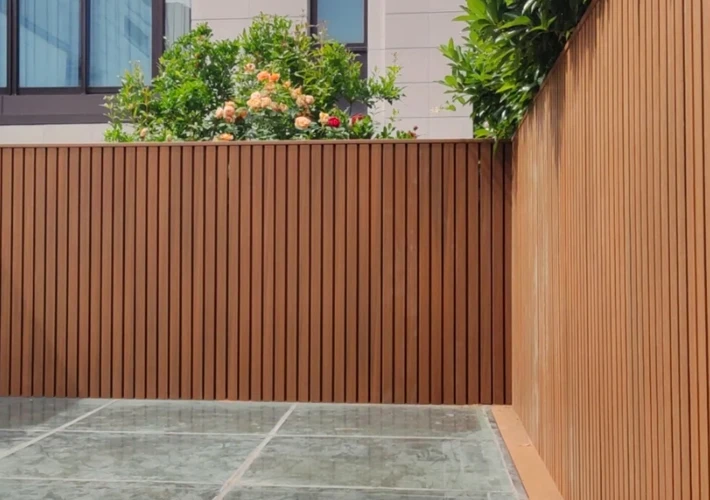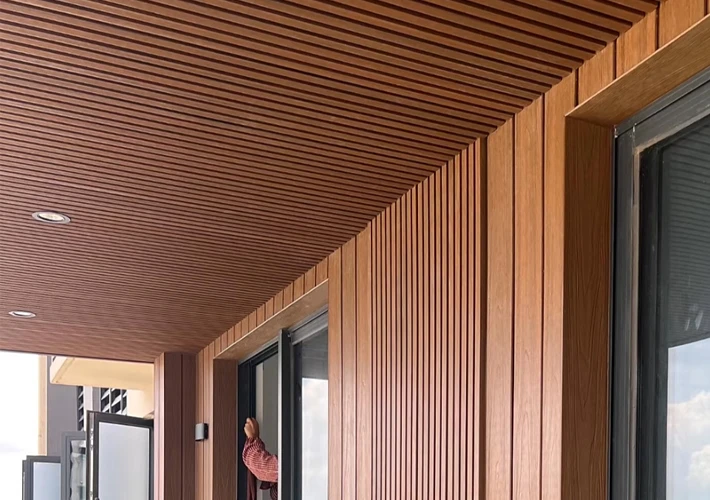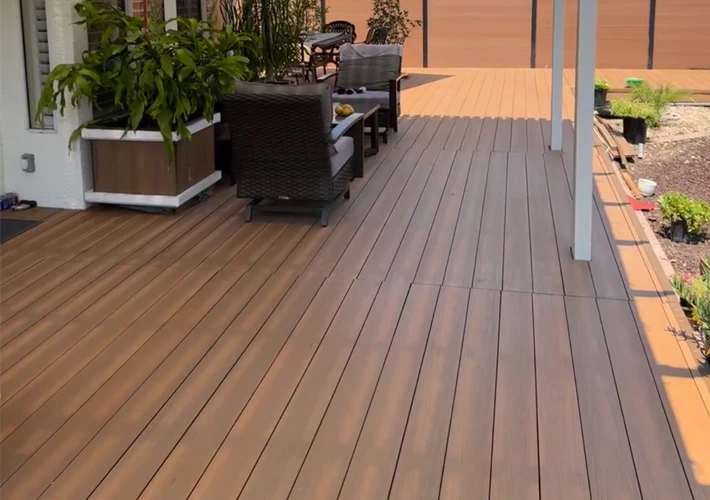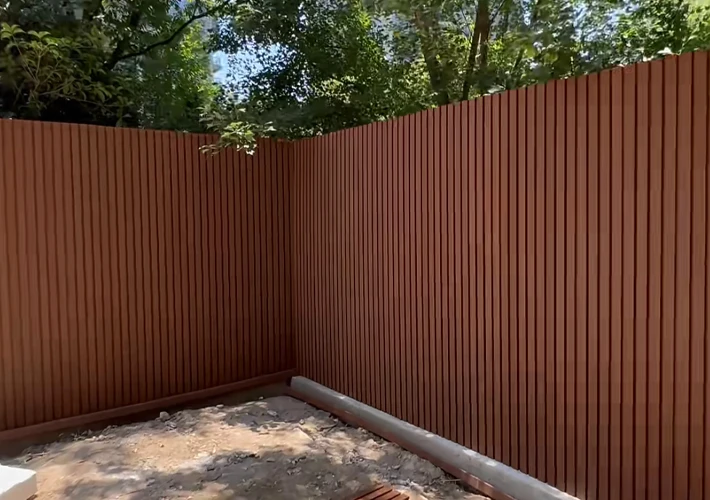

Composite decking has become one of the fastest-growing materials in the global outdoor construction market. From residential patios to large commercial projects such as hotels, resorts, and public boardwalks, composite decking is widely used because of its durability, aesthetic flexibility, and low maintenance requirements.
For distributors, contractors, and building material importers, choosing the right composite decking supplier is a critical decision. The quality of the manufacturer directly affects product performance, project reputation, and long-term business success.
In this guide, we will explain how to evaluate composite decking suppliers, what technical factors matter most, and how to identify a reliable manufacturer for your projects.
What Is Composite Decking?
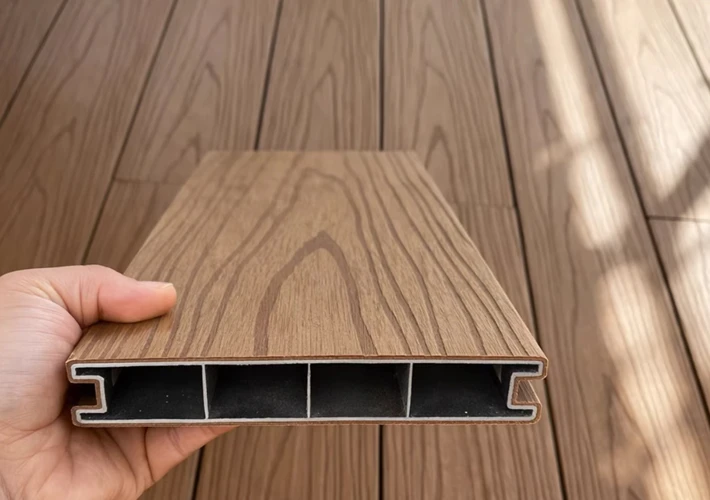
Composite decking, often referred to as WPC (Wood Plastic Composite) decking, is a modern building material made from a mixture of recycled wood fibers and plastic polymers such as HDPE, PP, or PVC.
Typically, the wood fiber content accounts for around 50%–65% of the material, while the plastic component binds the fibers and protects them from moisture, insects, and decay.
This hybrid structure combines the natural look of wood with the durability of plastic, resulting in a material that offers several advantages over traditional timber decking.
Key benefits include:
- High durability and resistance to rot
- Moisture and insect resistance
- Minimal maintenance requirements
- Long service life
- Wide variety of colors and textures
- Environmentally friendly recycled materials
Because of these advantages, composite decking is increasingly used in:
- Residential terraces and patios
- Hotel outdoor areas
- Swimming pool decks
- Commercial walkways
- Public parks and boardwalks
The growing demand has also led to a large number of composite decking suppliers entering the market, making it essential for buyers to carefully evaluate manufacturers before making a purchasing decision.
Why Choosing the Right Composite Decking Supplier Matters
When sourcing composite decking for large construction projects or distribution businesses, the manufacturer you choose has a significant impact on the final result.
Low-quality decking boards may initially appear similar to premium products, but they often lead to problems such as:
- Surface fading
- Cracking or warping
- Mold growth
- Structural weakness
- Color inconsistency
High-quality composite decking, on the other hand, can last up to 25 years with minimal maintenance, making it a reliable long-term solution.
Choosing a reputable supplier ensures:
1.Consistent Product Quality
Reliable manufacturers maintain strict quality control during production to ensure consistent density, color, and structural strength.
2.Stable Supply Chain
Professional factories can guarantee stable production capacity and timely delivery for large orders.
3.Technical Support
Experienced suppliers provide installation guidance, engineering support, and product documentation.
4.International Certifications
High-quality manufacturers often comply with international testing standards and environmental certifications.
For B2B buyers, the right supplier can become a long-term strategic partner rather than just a one-time vendor.
Key Factors to Evaluate When Choosing Composite Decking Suppliers
Selecting the right manufacturer requires evaluating several technical and business factors.
Raw Material Quality
The quality of raw materials is the foundation of high-performance composite decking.
A reliable manufacturer should clearly specify:
- Type of plastic polymer (HDPE, PP, or PVC)
- Wood fiber content
- Additives used for UV resistance and color stability
- Recycled material sources
High-quality wood fibers improve structural strength and create a realistic wood-grain appearance, while the plastic component prevents moisture absorption and insect damage.
Poor raw materials may cause brittleness, discoloration, or premature failure.
Manufacturing Technology
The production process plays a major role in the durability of composite decking.
Advanced manufacturers typically use:
Co-extrusion technology
This process adds a protective outer layer to the decking board, improving:
- UV resistance
- Stain resistance
- Moisture protection
- Scratch resistance
Precision extrusion lines
Modern automated equipment ensures uniform density and consistent board dimensions.
Factories that invest in advanced technology usually produce more stable and reliable products.
Product Performance Testing
Professional composite decking manufacturers conduct a series of laboratory tests to ensure product performance.
Common tests include:
- Water absorption testing
- Impact resistance testing
- UV aging tests
- Load-bearing tests
- Slip resistance tests
For example, high-quality decking typically maintains a water absorption rate below 2%, ensuring long-term stability in outdoor environments.
Buyers should always request third-party test reports such as SGS, ASTM, or CE certifications.
Production Capacity and Factory Strength
When selecting composite decking suppliers, production capacity is another key consideration.
Reliable factories should have:
- Multiple extrusion production lines
- Automated mixing systems
- Quality inspection laboratories
- Large storage facilities
A factory with strong production capacity can:
- Deliver large orders on time
- Maintain consistent quality
- Offer competitive pricing through economies of scale
For distributors and project contractors, this stability is essential for avoiding supply interruptions.
Product Range and Customization
Professional composite decking suppliers usually provide a wide range of products to meet different market needs.
Common product options include:
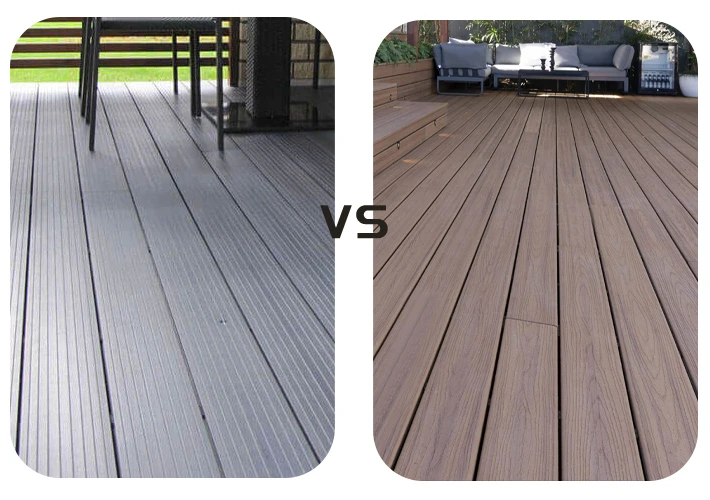
- Hollow composite decking
- Solid composite decking
- Co-extruded capped decking
- Anti-slip decking boards
- Multi-color wood-grain finishes
Advanced surface technologies such as 3D embossing create realistic wood textures that enhance the visual appeal of outdoor spaces.
Customization services may include:
- Custom colors
- Special surface textures
- Private label packaging
- Custom board sizes
For importers and distributors, customization helps build brand identity in local markets.
Certifications and International Standards
For export markets such as North America and Europe, certifications are extremely important.
A trustworthy composite decking manufacturer should comply with international standards such as:
- CE certification (European market)
- ISO quality management systems
- FSC or PEFC sustainable sourcing
- ASTM testing standards
- Fire resistance certification
These certifications demonstrate that the products meet global safety and environmental requirements.
They also make it easier for distributors to enter new markets and participate in construction projects.
Sustainability and Environmental Responsibility
Sustainability is becoming a major factor in construction material selection.
Composite decking is considered an eco-friendly option because it uses recycled plastics and reclaimed wood fibers.
This reduces landfill waste and decreases demand for natural timber.
Some studies show that WPC production can save around 70% of the energy compared to traditional wood decking manufacturing, significantly reducing carbon emissions.
When evaluating suppliers, consider whether they:
- Use recycled raw materials
- Implement low-emission production processes
- Follow environmental management standards
These factors are increasingly important for green building certifications and sustainable construction projects.
Pricing vs. Value: Understanding the Real Cost
Price is always an important factor when choosing composite decking suppliers, but it should never be the only consideration.
Cheap decking boards may reduce upfront costs but can lead to long-term problems such as:
- Frequent replacements
- Maintenance costs
- Project reputation damage
Instead of focusing only on price, buyers should evaluate total cost of ownership (TCO) over the product’s lifecycle.
Although composite decking may have a higher initial cost than traditional wood, its low maintenance requirements often make it more economical in the long run.
Reliable manufacturers provide competitive pricing while maintaining consistent quality.
Why Many Global Buyers Choose Chinese Composite Decking Manufacturers
Over the past decade, China has become one of the largest producers of composite decking.
There are several reasons why international buyers prefer sourcing from Chinese manufacturers:
Competitive Pricing
Large-scale production and efficient supply chains allow Chinese factories to offer competitive prices.
Advanced Manufacturing Technology
Many factories invest heavily in automated production lines and modern extrusion equipment.
Strong Export Experience
Chinese suppliers often have extensive experience working with global distributors, contractors, and retailers.
Flexible Customization
Manufacturers can quickly adapt products to meet different market requirements.
For B2B buyers, working with a professional Chinese manufacturer can provide a balance between cost efficiency and product quality.
Common Mistakes When Choosing Composite Decking Suppliers
Many buyers make mistakes during the sourcing process that lead to problems later.
Some of the most common mistakes include:
Choosing Based Only on Price
Low prices often indicate lower material quality or outdated manufacturing processes.
Ignoring Testing Reports
Always verify product performance through laboratory reports and certifications.
Not Inspecting the Factory
Whenever possible, conduct factory audits or request production videos to verify manufacturing capabilities.
Overlooking Logistics and Delivery
Ensure the supplier has experience handling international shipping and export documentation.
Avoiding these mistakes can significantly reduce sourcing risks.
Future Trends in the Composite Decking Industry
The global demand for composite decking is expected to continue growing due to several trends:
- Expansion of outdoor living spaces
- Growth in eco-friendly building materials
- Increasing urbanization
- Rising demand for low-maintenance construction products
Technological innovations such as capped composite boards, improved UV resistance, and enhanced surface textures are also driving industry growth.
For suppliers and distributors, understanding these trends can help identify profitable market opportunities.

Conclusion
Choosing the right composite decking supplier is a critical decision for builders, distributors, and construction material importers.
A reliable manufacturer should offer:
- High-quality raw materials
- Advanced production technology
- Certified product performance
- Strong production capacity
- Competitive pricing
- Customization options
By carefully evaluating these factors, buyers can establish long-term partnerships with manufacturers that deliver consistent quality and reliable supply.
As the demand for durable and eco-friendly building materials continues to grow, composite decking will remain a key product in the global construction market.
Looking for a reliable composite decking manufacturer?
A professional supplier can provide durable, eco-friendly decking solutions for residential and commercial projects worldwide.
Contact Aesthedge today to learn more about our high-quality composite decking products and customized solutions for global distributors and contractors.