
As Australia’s construction industry continues to emphasize fire safety, durability, sustainability, and regulatory compliance, composite cladding has become an increasingly popular choice for residential, commercial, and public building projects.
However, for architects, builders, developers, and overseas buyers sourcing composite cladding for the Australian market, understanding Australian Standards (AS) and the National Construction Code (NCC) is not optional—it is essential.
This article provides a clear, practical explanation of composite cladding requirements in Australia, including relevant AS standards, NCC compliance, and how global buyers can work with reliable overseas manufacturers, such as Solidexwood, a professional composite cladding factory in China.
Understanding Composite Cladding in the Australian Market
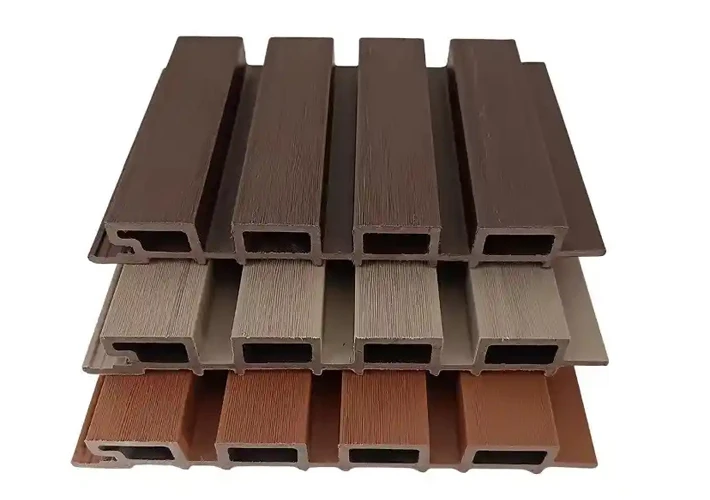
Composite cladding generally refers to engineered exterior wall systems made from a combination of materials such as:
- Wood-plastic composites (WPC)
- Polymer-based composite boards
- Fiber-reinforced composite panels
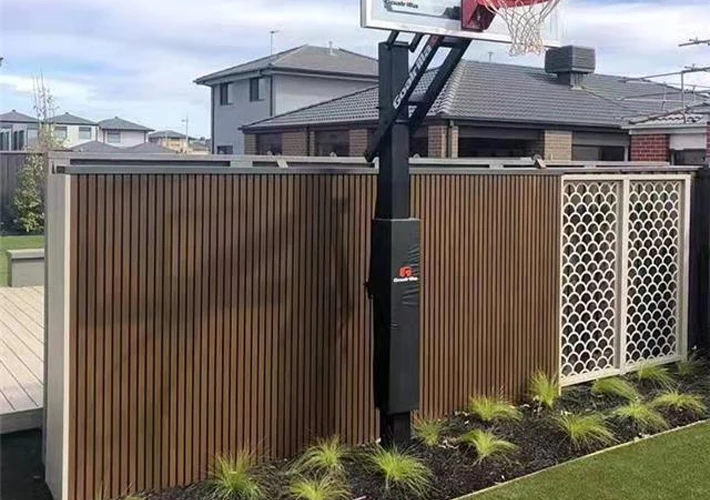
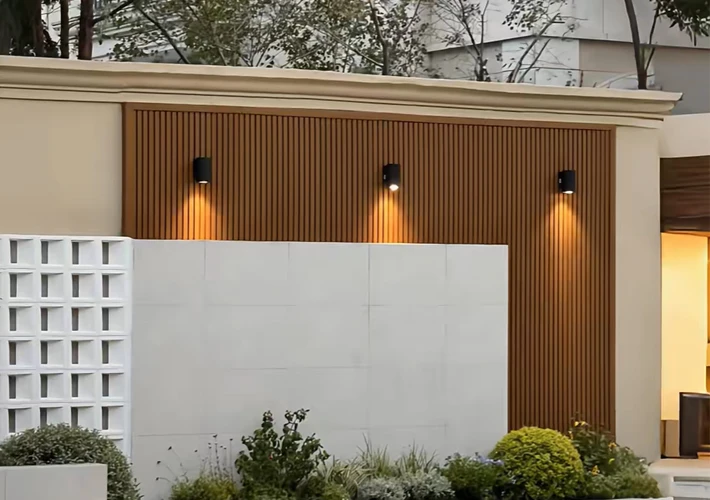
In Australia, composite cladding is widely used in:
- Residential façades
- Low- and mid-rise commercial buildings
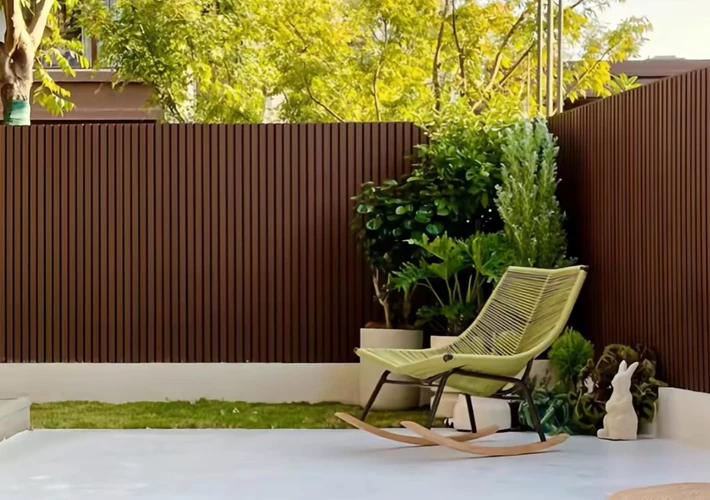
- Outdoor architectural features
- Renovation and recladding projects
Its popularity is driven by:
- Resistance to moisture and termites
- Dimensional stability under harsh climates
- Low maintenance compared to natural timber
- Consistent quality and scalable supply
However, due to past cladding-related fire incidents, Australia now enforces some of the world’s strictest compliance frameworks, especially for external wall systems.
Overview of Australian Standards (AS) Relevant to Composite Cladding
Australian Standards (AS) are technical benchmarks developed by Standards Australia. While not laws themselves, many AS standards are referenced by the NCC, making compliance mandatory in practice.
For composite cladding, the most relevant AS standards typically include:
AS 1530 Series – Fire Testing of Building Materials
This series evaluates how materials behave in fire conditions, including:
- Ignitability
- Spread of flame
- Heat release
- Smoke development
Composite cladding products used in Australia are often required to demonstrate fire performance through AS 1530.1, AS 1530.3, or AS 1530.4, depending on the application.
AS 3959 – Construction in Bushfire-Prone Areas
For buildings located in bushfire-prone zones, external cladding must meet BAL (Bushfire Attack Level) requirements. Composite cladding used in these regions must show resistance to:
- Ember attack
- Radiant heat
- Flame exposure
This is particularly important in states such as New South Wales, Victoria, and South Australia.
AS/NZS 4284 – Testing of Building Facades
This standard focuses on:
- Air leakage
- Water penetration
- Structural performance of façade systems
For composite cladding systems used in large-scale projects, compliance with AS/NZS 4284 is often requested by consultants and certifiers.
National Construction Code (NCC): What It Means for Composite Cladding
The National Construction Code (NCC) is Australia’s primary regulatory framework governing building design and construction. It incorporates the Building Code of Australia (BCA) and sets minimum performance requirements for safety, health, amenity, and sustainability.
Fire Safety and External Wall Systems
Under the NCC, external wall cladding must:
- Limit fire spread between storeys
- Reduce the risk of external fire propagation
- Meet specified fire performance criteria
The NCC allows compliance through:
- Deemed-to-Satisfy (DTS) solutions, or
- Performance Solutions, supported by fire engineering assessments and test reports
Composite cladding suppliers must be able to provide credible, traceable documentation to support either pathway.
Evidence of Suitability
The NCC requires products to demonstrate suitability via:
- Test reports from accredited laboratories
- Product certification or assessment reports
- Engineering judgments (where applicable)
For imported composite cladding, Australian buyers increasingly require complete compliance packages, not just material samples.
Fire Compliance: The Critical Factor for Composite Cladding in Australia
Fire performance is the single most important compliance issue for composite cladding in Australia.
Key expectations from Australian regulators and project stakeholders include:
- Clear disclosure of material composition
- Verified fire test results aligned with AS or internationally recognized equivalents
- Transparency regarding core materials and additives
Non-compliant cladding can result in:
- Project delays or rejection
- Costly recladding orders
- Legal liability for builders and suppliers
This is why working with an experienced manufacturer that understands Australian compliance expectations is essential.
Importing Composite Cladding into Australia: What Buyers Should Check
When sourcing composite cladding from overseas, Australian importers, wholesalers, and project buyers should focus on more than just price.
Key factors include:
Documentation Readiness
A reliable supplier should be able to provide:
- Fire test reports aligned with AS or NCC-referenced standards
- Material technical data sheets
- Installation guidelines adapted to Australian construction practices
Manufacturing Consistency
Batch-to-batch consistency is critical, especially for compliance-sensitive products such as cladding. Factory-controlled production reduces risk during audits and inspections.
Experience with Australian Projects
Suppliers familiar with the Australian market understand:
- Certification expectations
- Common questions from building surveyors
- Differences between residential and commercial compliance needs
Solidexwood: A China-Based Composite Cladding Manufacturer for the Australian Market
Solidexwood is a professional composite cladding manufacturer based in China, supplying engineered exterior cladding products to international markets, including Australia.
With a focus on:
- Stable material formulations
- Controlled manufacturing processes
- Project-oriented documentation support
Solidexwood works closely with B2B buyers such as:
- Australian importers and distributors
- Building material wholesalers
- Developers and project contractors
As a China-based factory, Solidexwood offers:
- Scalable production capacity
- Competitive manufacturing costs
- Flexible customization for profiles, colors, and surface finishes
More importantly, Solidexwood understands that Australian compliance is not just about the product, but about the system, documentation, and long-term accountability.
Choosing the Right Composite Cladding for NCC Compliance
To successfully use composite cladding in Australia, decision-makers should:
- Identify the building classification under the NCC
- Confirm fire performance requirements early in the design stage
- Work with suppliers who understand AS and NCC frameworks
- Avoid vague or incomplete compliance claims
Composite cladding can be a safe, durable, and aesthetically flexible solution—when correctly specified and responsibly sourced.
Final Thoughts: Compliance First, Cost Second
In the Australian market, composite cladding is no longer judged solely on appearance or price. Regulatory compliance, fire safety, and documented performance now define product acceptance.
For Australian buyers sourcing from overseas, partnering with an experienced manufacturer such as Solidexwood helps bridge the gap between global manufacturing efficiency and local regulatory requirements.
Understanding AS standards and the NCC is not just about meeting regulations—it is about ensuring long-term project safety, approval certainty, and brand credibility in one of the world’s most demanding construction markets.