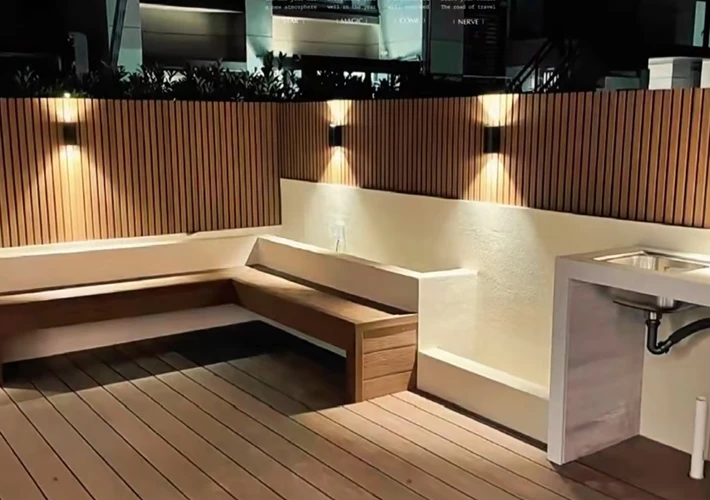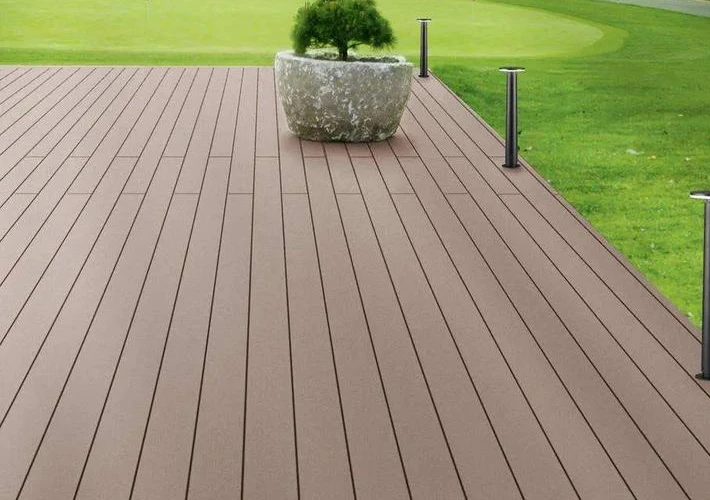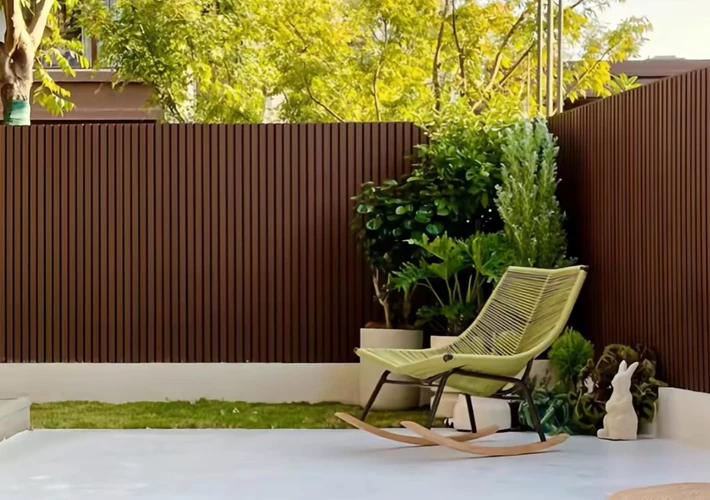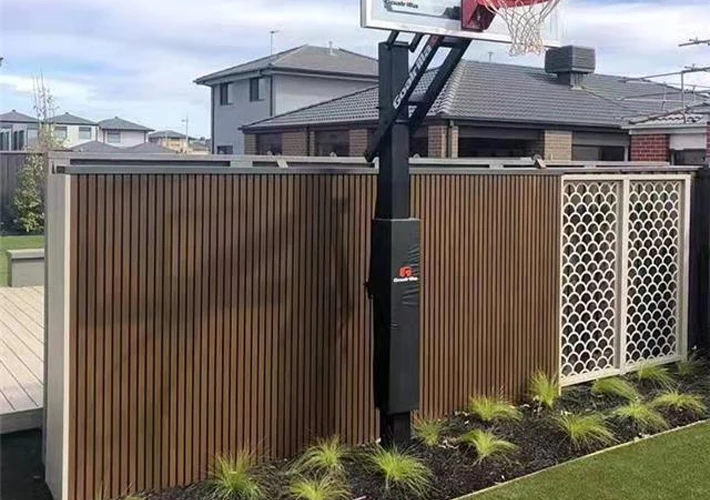

Choosing the best composite decking material for outdoor use is one of the most important decisions for homeowners, architects, and landscape designers. With advancements in material science and manufacturing technology, composite decking has rapidly overtaken traditional wood decking due to its durability, low maintenance, environmental benefits, and long-term value. As a leading China factory and supplier, solidexwood offers a range of premium composite decking solutions designed to withstand the harshest outdoor conditions while maintaining aesthetic appeal and performance.
In this comprehensive guide, we will explore what makes composite decking an excellent choice for outdoor applications, compare the top materials, analyze performance factors, and explain how to choose the ideal product for your project. Whether you’re building a backyard deck, poolside terrace, balcony patio, or commercial outdoor space, you’ll find the insights you need right here.
What Is Composite Decking and Why It Matters
Composite decking is a man-made building material comprised of multiple components—typically wood fibers, plastic polymers, and advanced additives that enhance performance. Unlike traditional wood decking that requires frequent staining, sealing, and repairs, composite decking offers a long service life with minimal upkeep.
The core reason it matters for outdoor use is simple: weather resistance. Outdoor decks are constantly exposed to sunlight (UV), moisture, temperature fluctuations, and foot traffic. Composite materials are engineered to resist rot, decay, insect damage, and fading—issues that plague natural wood over time.
Key Components of Composite Decking
Composite decking is typically manufactured from:
- Wood fibers (W): Provide natural texture and appearance.
- Plastic polymers (P): Polyethylene (PE), polypropylene (PP), or PVC add strength and moisture resistance.
- Additives: UV stabilizers, color pigments, coupling agents, and anti-fade protection.
These components are blended and extruded or molded into boards with uniform density and performance characteristics. Unlike wood, composite decking does not split, warp, or splinter easily, making it safe and comfortable for outdoor environments.
Environmental Advantages
Today’s composite decking often uses recycled wood and plastics, helping reduce landfill waste and conserve natural forests. A reputable manufacturer like solidexwood sources recycled raw materials and applies strict quality controls, reinforcing sustainability credentials while delivering superior decking products.
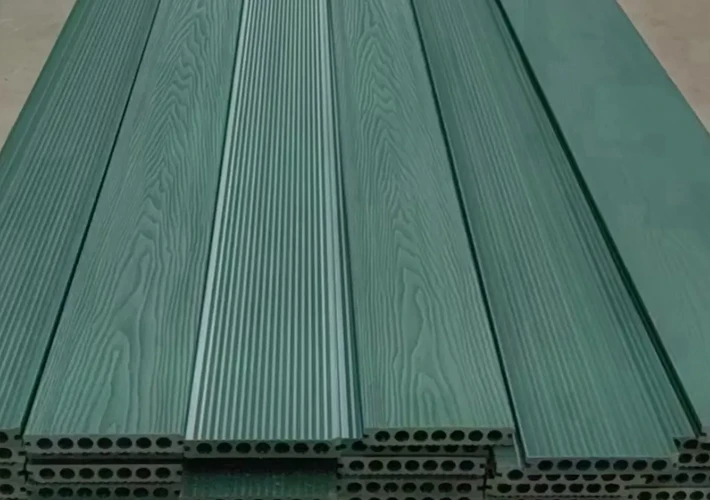
How to Choose the Best Composite Decking Material for Outdoor Use
Selecting the right composite decking material involves evaluating key performance indicators—especially for outdoor use. Below are the most essential criteria:
1.Durability and Weather Resistance
Outdoor decking must withstand:
- UV exposure: to prevent color fading.
- Moisture and rainfall: to avoid mold, rot, and swelling.
- Temperature changes: to maintain structural stability.
- Heavy use: from people, furniture, and equipment.
High-performance composite decking uses advanced UV stabilizers and moisture-blocking technologies. For example, solidexwood boards incorporate outer shell protection and dense core composites engineered for extreme weather.
2.Aesthetics and Texture
Outdoor spaces are extensions of home living areas. The visual appeal of decking is crucial. Look for:
- Realistic wood grain patterns
- Natural color variation
- Slip-resistant finishes
- Varied board widths and edge profiles
Premium composites mimic the look and warmth of natural wood while offering superior longevity.
3.Maintenance Requirements
Traditional wood decking demands regular inspections, sealing, staining, and sanding. In contrast, quality composite decking:
- Cleans easily with soap and water
- Does not require staining or sealing
- Resists mold and mildew growth
This translates to significant time and cost savings over years of usage.
4.Safety Considerations
Outdoor decking should be safe underfoot. Important safety aspects include:
- Slip resistance (especially around wet areas like pools)
- Low heat retention (comfortable underfoot in summer)
- Smooth finish without splinters
Advanced composites, such as those from solidexwood, are tested against safety standards and optimized for outdoor environments.
5.Warranty and Longevity
Trusted manufacturers provide extended warranties that reflect confidence in their products. A long-term warranty (10–25 years) often covers:
- Structural integrity
- Fading and staining resistance
- Weather-related damage
Always verify warranty terms and conditions before purchase.
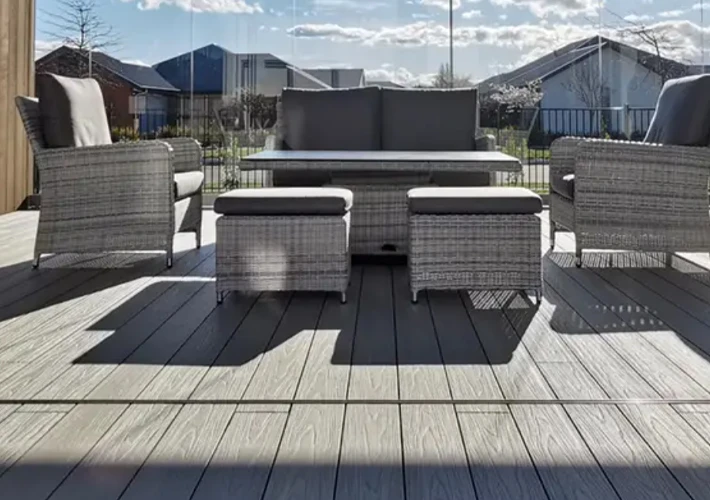
Comparing the Best Composite Decking Materials
Composite decking materials vary based on composition, performance, and price. Below we compare the most common types:
1.Wood–Plastic Composite (WPC)
WPC boards are a blend of wood fibers and plastic. They deliver:
- Natural wood look and feel
- Moderate strength and weather resistance
- Good dimensional stability
However, traditional WPC may absorb some moisture if not properly formulated. solidexwood WPC decking uses high-density formulation and advanced processing to reduce moisture uptake and enhance durability.
2.Capped Composite Decking
Capped composites include a protective outer layer (cap) that significantly improves resistance to:
- Moisture penetration
- Stains and discoloration
- Surface scratches and wear
Capped boards are ideal for high-traffic outdoor areas and wet environments like pool decks. The cap layer also enhances color retention.
3.PVC Composite Decking
PVC decking uses polyvinyl chloride as the main polymer, resulting in:
- High moisture resistance
- Excellent durability
- Minimal maintenance
PVC boards are often lighter and less prone to mold. The tradeoff can be higher cost compared to WPC. solidexwood PVC decking balances performance and value with premium-grade materials and advanced manufacturing.
4.Hybrid Composite Decking
Hybrid composites combine PVC and wood fibers in innovative ways to achieve an optimal balance of:
- Strength
- Moisture resistance
- Aesthetics
These solutions often incorporate engineered cores for maximum structural integrity.
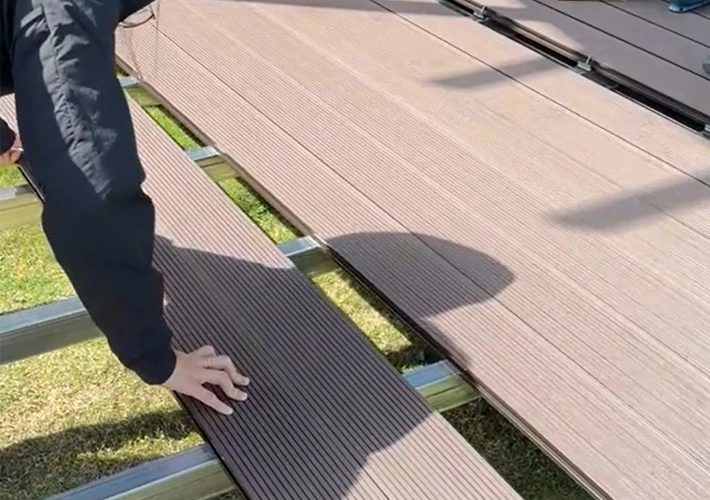
Performance Evaluation: What Outdoor Users Need to Know
For outdoor decking applications, performance goes beyond aesthetics. Let’s examine the critical areas.
Moisture and Water Resistance
Outdoor decks encounter rain, snow, humidity, and ground moisture. Watertight performance is essential to prevent:
- Swelling and warping
- Mold and mildew growth
- Structural deterioration
Capped composites and PVC-based boards excel in moisture resistance. solidexwood decking undergoes rigorous moisture testing, ensuring boards remain stable and safe even in wet climates.
Heat Resistance and Comfort
Outdoor decking often sits under direct sunlight. Boards should:
- Resist excessive heat retention
- Stay comfortable underfoot
- Maintain color without rapid fading
High-quality UV protectants and light-reflective pigments reduce heat build-up and extend aesthetic longevity.
Impact and Load Resistance
Outdoor decks bear loads from furniture, foot traffic, and dynamic use. Durable composites:
- Minimize denting and scratching
- Withstand heavy loads without sagging
- Deliver consistent performance over time
solidexwood boards are engineered with reinforced cores, ensuring structural integrity even under challenging conditions.
Installation Tips for Outdoor Composite Decking
Proper installation is crucial to maximizing the lifespan of your decking. Here are best practices that professional builders and DIY enthusiasts should follow:
Precision Planning
- Calculate deck layout and board direction
- Consider drainage and airflow beneath boards
- Plan for expansion gaps around edges
Composite materials expand and contract slightly with temperature changes—clearance is necessary to accommodate this motion.
Use Compatible Fasteners
Hidden fasteners and clips maintain a clean surface while securing boards. Choose corrosion-resistant fasteners (e.g., stainless steel) to prevent staining and deterioration.
Allow Adequate Ventilation
Good airflow under the deck prevents moisture buildup, reducing the risk of mold and decay in the substructure.
Follow Manufacturer Guidelines
Always refer to the manufacturer’s installation instructions. solidexwood provides detailed documentation and support to ensure flawless installation and long-term performance.
Maintenance Guide: Keeping Your Deck Stunning
One of the biggest advantages of composite decking is low maintenance. However, basic care ensures your deck stays in top condition for years.
Routine Cleaning
- Sweep debris (leaves, dirt) regularly
- Wash surface with mild soap and water
- Use a soft brush to remove stubborn dirt
Avoid pressure washing at high pressure settings, as this could damage the surface texture.
Mold and Stain Prevention
While composite decking resists mold better than wood, shaded or humid areas may require periodic cleaning. Promptly remove spills (oils, food) before they set.
Annual Inspection
Check for:
- Loose boards or fasteners
- Surface residue
- Drainage issues
Addressing minor issues early extends the service life of the deck.
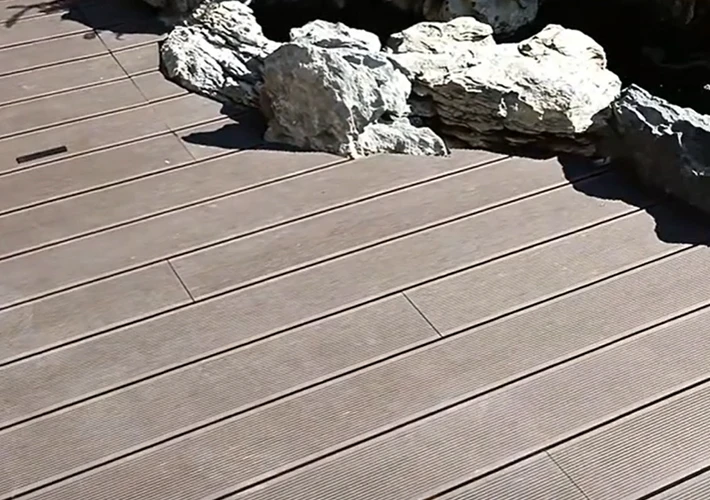
Why Choose solidexwood: China Factory Advantage
As a leading China manufacturer and exporter, solidexwood specializes in premium composite decking materials tailored for outdoor use. Here’s why builders and buyers worldwide trust our products:
1.Factory Direct Quality Control
With in-house production facilities, solidexwood oversees every step—from raw material sourcing to extrusion, finishing, and packaging. This ensures:
- Consistent board quality
- Accurate color matching
- Reliable performance standards
2.Competitive Pricing
As a China factory, solidexwood offers cost advantages without compromising quality. Bulk buyers and project developers benefit from:
- Lower material costs
- Flexible production capacity
- Customized solutions
3.Global Compliance and Certification
solidexwood decks meet international standards for:
- Fire resistance
- Weather durability
- Environmental safety
We provide documentation and third-party testing reports to support global export requirements.
4.Customized Solutions
Outdoor projects vary greatly. We offer:
- Different board sizes and thicknesses
- Multiple color options
- Custom embossing and surface finishes
Whether you’re designing a private patio, public park deck, or resort terrace, solidexwood has the right solution.
5.After-Sales Support and Warranty
solidexwood backs every decking product with industry-leading warranty coverage. Our professional support team assists with:
- Technical inquiries
- Installation guidance
- Product selection advice
Conclusion: Best Composite Decking Material for Outdoor Use
Choosing the best composite decking material for outdoor use requires careful analysis of durability, aesthetics, maintenance, and value. Among the many options available, high-performance composite boards—especially those with capped surfaces or PVC-enhanced compositions—stand out as the most reliable choice for outdoor environments.
With deep expertise in composite decking manufacturing, solidexwood offers an exceptional range of outdoor decking solutions engineered for longevity, beauty, and ease of use. From residential backyard decks to large-scale commercial installations, solidexwood products deliver unmatched performance backed by robust China factory advantages.
If you’re planning an outdoor decking project that needs to look great and perform even better, solidexwood composite decking is your best choice for long-lasting, low-maintenance, and cost-effective outdoor surfaces.