
Introduction
In modern architecture and construction, exterior cladding plays a critical role in both the performance and appearance of a building. Architects, developers, and contractors are constantly searching for façade materials that combine durability, aesthetics, sustainability, and cost efficiency. Among the many options available today, exterior composite cladding has emerged as one of the most popular solutions for residential, commercial, and institutional buildings.
Composite cladding materials, particularly Wood Plastic Composite (WPC) cladding, are designed to replicate the natural beauty of wood while offering superior performance and lower maintenance requirements. These materials are manufactured using a blend of recycled wood fibers, polymers, and advanced additives, resulting in a product that is highly resistant to weathering, moisture, insects, and structural deformation.
As global construction trends move toward sustainable and energy-efficient buildings, exterior composite cladding has gained widespread recognition in markets such as the United States, Canada, Australia, and Europe. For builders and developers working on large-scale projects, composite cladding provides a reliable and scalable solution that meets both aesthetic and functional requirements.
This article explores the advantages of exterior composite cladding for building facades, including durability, design flexibility, environmental benefits, installation efficiency, and long-term cost performance. It also explains why more architects and developers are choosing composite cladding materials for modern façade systems.
What Is Exterior Composite Cladding?
Exterior composite cladding refers to façade panels or boards manufactured from a combination of materials, most commonly wood fibers and plastic polymers. The combination of these materials creates a product that maintains the visual appeal of wood while improving structural strength and environmental resistance.
The most common types of exterior composite cladding include:
- Wood Plastic Composite (WPC) cladding
- Co-extruded composite cladding
- Fiber-reinforced composite panels
- High-density polymer composite panels
In most architectural applications, WPC cladding is the most widely used due to its balance of cost, performance, and aesthetic versatility.
Basic Composition of Composite Cladding
Typical composite cladding materials consist of:
- 50–60% recycled wood fiber
- 30–40% high-density polyethylene (HDPE) or PVC
- 5–10% additives and stabilizers
These additives may include:
- UV stabilizers
- Anti-oxidants
- Color pigments
- Anti-mold agents
- Fire-retardant materials
This carefully engineered composition ensures that the final product performs well in various environmental conditions.
Excellent Weather Resistance and Long Service Life
One of the biggest advantages of exterior composite cladding is its exceptional resistance to environmental conditions.
Traditional façade materials such as natural wood can suffer from issues like:
- Rotting
- Warping
- Cracking
- Termite damage
- Mold growth
Composite cladding significantly reduces these risks.
Moisture Resistance
Unlike natural wood, composite materials absorb very little water. This prevents swelling, deformation, and decay even in humid climates or coastal environments.
This makes composite cladding particularly suitable for:
- Coastal buildings
- Rain-prone regions
- High-humidity areas
- Resorts and waterfront developments
UV Resistance
High-quality composite cladding products contain UV stabilizers that protect the material from fading and degradation caused by sunlight.
As a result, the façade maintains its color and appearance for many years with minimal maintenance.
Long Lifespan
The typical lifespan of composite cladding ranges from:
20 to 30 years, depending on product quality and environmental exposure.
Compared to traditional wood cladding that may require replacement or major repairs after 10–15 years, composite cladding provides a much longer service life.
Low Maintenance Requirements
Maintenance costs are a significant concern for property owners and building managers. One of the key reasons developers choose composite cladding is its extremely low maintenance requirements.
No Painting or Sealing Required
Natural wood cladding often requires:
- Regular staining
- Painting
- Waterproof sealing
- Anti-insect treatments
Composite cladding eliminates most of these maintenance tasks.
The color is integrated into the material during manufacturing, meaning the boards do not require repainting over time.
Easy Cleaning
In most cases, composite cladding can be cleaned using:
- Water
- Mild detergent
- Soft brush or cloth
For commercial buildings and hotels, this significantly reduces ongoing maintenance expenses.
Long-Term Cost Savings
Although the initial cost of composite cladding may be slightly higher than some traditional materials, the total lifecycle cost is often much lower due to reduced maintenance and longer durability.
Superior Aesthetic Appeal and Design Flexibility
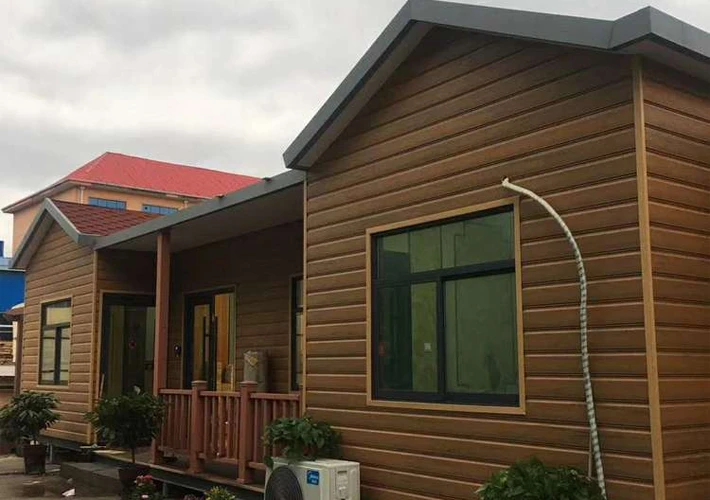
Architects and designers value exterior cladding materials that offer creative design possibilities. Composite cladding provides extensive design flexibility while maintaining a natural appearance.
Wood-Like Texture and Natural Look
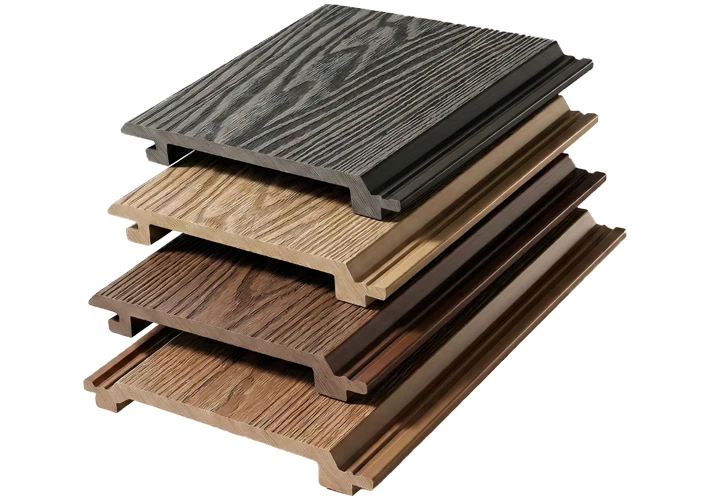
Modern composite cladding products are manufactured using advanced embossing and surface treatment technologies that replicate real wood grain textures.
This allows buildings to achieve a natural wood aesthetic without the disadvantages of natural timber.
Common finishes include:
- Teak
- Walnut
- Oak
- Cedar
- Charcoal grey
- Sandstone
These finishes can complement various architectural styles, from modern minimalism to traditional designs.
Variety of Colors and Profiles
Composite cladding is available in multiple profiles such as:
- Hollow boards
- Solid boards
- Grooved panels
- Slat-style façade panels
- 3D decorative cladding
This enables architects to create visually distinctive building facades with layered textures and patterns.
Compatibility with Modern Architectural Trends
Composite cladding works well with many modern architectural elements, including:
- Glass curtain walls
- Aluminum panels
- Stone finishes
- Metal façade systems
The combination of materials allows designers to create high-end contemporary building exteriors.
Environmentally Friendly and Sustainable Material
Sustainability has become a major priority in modern construction. Exterior composite cladding supports green building practices in several ways.
Use of Recycled Materials
Most composite cladding products are manufactured using recycled raw materials such as:
- Reclaimed wood fibers
- Recycled plastics
This reduces the demand for natural timber and helps minimize environmental impact.
Reduced Deforestation
By replacing traditional wood cladding, composite materials help reduce logging and protect natural forests.
Recyclability
At the end of its lifecycle, many composite cladding materials can be reprocessed and reused to manufacture new products.
Contribution to Green Building Certifications
Composite cladding can contribute to green building certification systems such as:
- LEED
- BREEAM
- Green Star
For developers targeting environmentally responsible construction projects, this is an important advantage.
Easy Installation and Construction Efficiency
Another major advantage of composite cladding is the ease of installation, which helps reduce construction time and labor costs.
Lightweight Yet Strong
Composite cladding boards are typically lighter than natural wood or stone cladding materials, making them easier to transport and install.
Despite their lighter weight, they maintain strong structural performance.
Modular Installation Systems
Many composite cladding systems use clip-based installation methods, allowing boards to be installed quickly and evenly.
This ensures:
- Consistent spacing
- Hidden fasteners
- Clean architectural appearance
Reduced Construction Time
Because composite cladding systems are designed for efficiency, installation can often be completed 30–40% faster compared with traditional façade materials.
For large commercial projects, this significantly improves project timelines.
Strong Resistance to Insects, Mold, and Fire
Exterior building materials must perform well under a wide range of environmental challenges.
Composite cladding offers strong protection against several common threats.
Termite and Insect Resistance
Natural wood is vulnerable to termite damage, especially in tropical climates. Composite materials are non-organic in structure, making them highly resistant to insects and pests.
Mold and Mildew Resistance
Special additives in composite cladding help prevent mold growth, which is particularly important for buildings in humid environments.
Fire Performance
Many composite cladding products can be manufactured with fire-retardant additives, allowing them to meet international fire safety standards such as:
- B1 fire rating
- ASTM fire standards
- EN fire classification
This makes composite cladding suitable for commercial and residential buildings where fire safety is critical.
Wide Range of Applications in Modern Architecture
Exterior composite cladding is widely used in a variety of architectural projects.
Residential Buildings
Homeowners and developers use composite cladding for:
- Villas
- Apartment buildings
- Townhouses
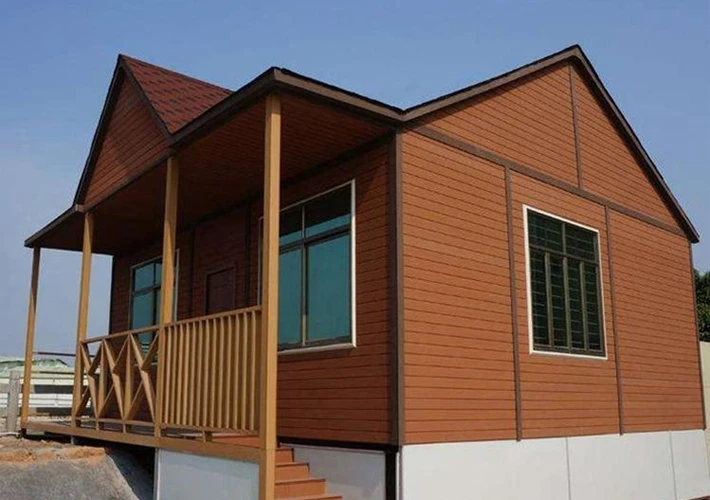
- Prefabricated homes
It enhances the visual appeal of residential facades while reducing maintenance needs.
Commercial Buildings
Composite cladding is commonly used in:
- Office buildings
- Shopping malls
- Retail stores
- Hotels
- Restaurants
The modern appearance of composite materials aligns well with commercial branding and architectural design.
Hospitality Projects
Hotels and resorts often use composite cladding to create luxurious exterior aesthetics while ensuring long-term durability.
Because hospitality buildings experience heavy environmental exposure, low-maintenance materials are especially valuable.
Public Infrastructure
Composite cladding is also used in:
- Schools
- Airports
- Cultural centers
- Transportation hubs
Its durability and safety characteristics make it suitable for high-traffic public buildings.
Why Global Developers Choose Chinese Composite Cladding Manufacturers
China has become one of the world’s largest production centers for composite building materials. Many international developers source composite cladding from Chinese manufacturers due to several advantages.
Advanced Manufacturing Technology
Leading Chinese factories use modern extrusion equipment and automated production lines to ensure consistent product quality.
Large Production Capacity
For large-scale construction projects, reliable supply is critical. Chinese manufacturers often have high production capacity, allowing them to fulfill bulk orders efficiently.
Competitive Pricing
Due to efficient manufacturing systems and well-developed supply chains, Chinese suppliers can offer competitive pricing compared to many Western manufacturers.
Customization Options
Professional manufacturers can provide customized solutions, including:
- Custom colors
- Custom sizes
- Special surface finishes
- Fire-rated materials
- Co-extruded cladding systems
For developers working on unique architectural designs, customization is an important advantage.
Conclusion
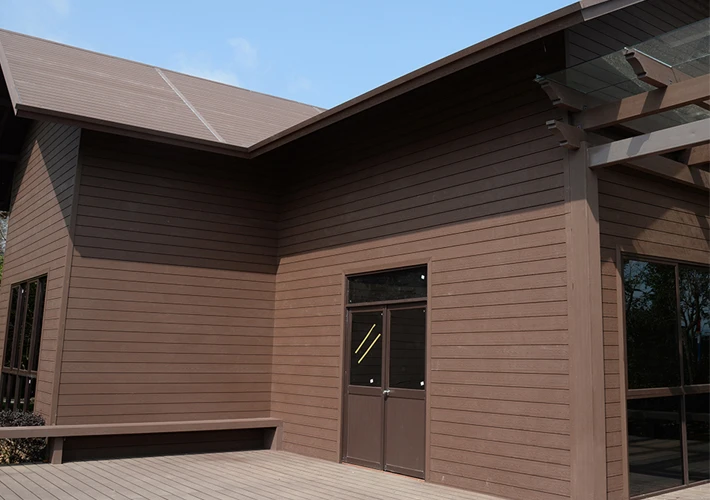
Exterior composite cladding has become one of the most attractive façade solutions in modern architecture. Its combination of durability, aesthetics, sustainability, and cost efficiency makes it a preferred material for residential, commercial, and hospitality projects worldwide.
Compared with traditional façade materials, composite cladding offers significant advantages including:
- Excellent weather resistance
- Long service life
- Low maintenance requirements
- Natural wood-like appearance
- Sustainable and eco-friendly production
- Easy installation
- Strong resistance to insects and mold
As global construction trends continue to emphasize sustainability and long-term performance, the demand for exterior composite cladding is expected to grow steadily in the coming years.
For architects, developers, and contractors seeking reliable façade materials, composite cladding represents a smart investment that balances design flexibility, durability, and economic value.
If you are looking for a professional composite cladding manufacturer in China, choosing an experienced supplier with strong production capabilities and international export experience will ensure the success of your building projects.