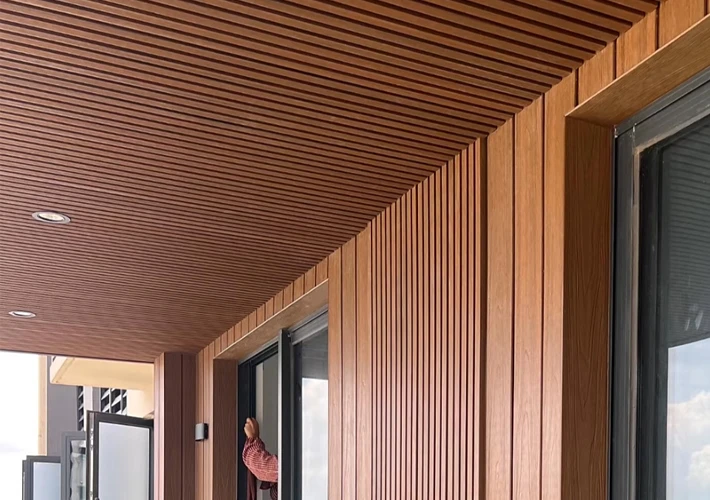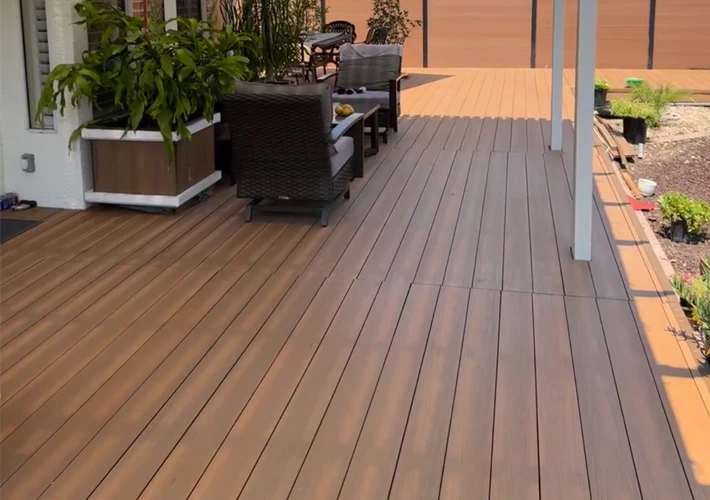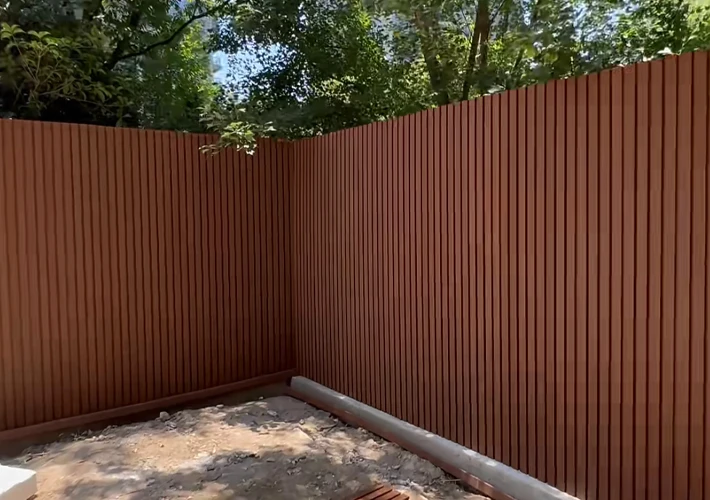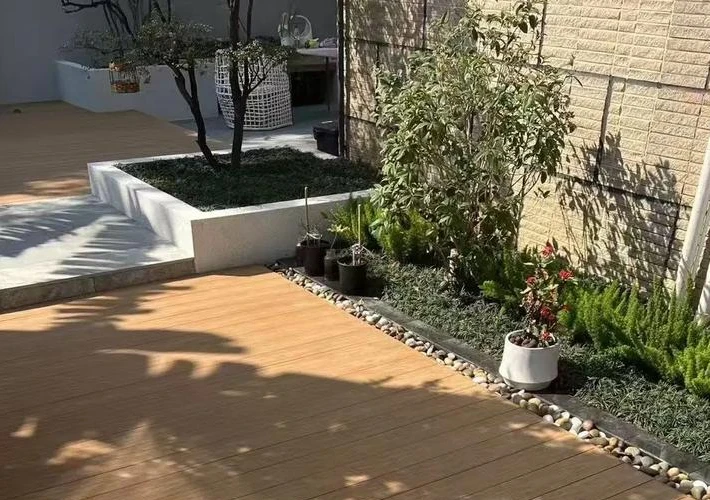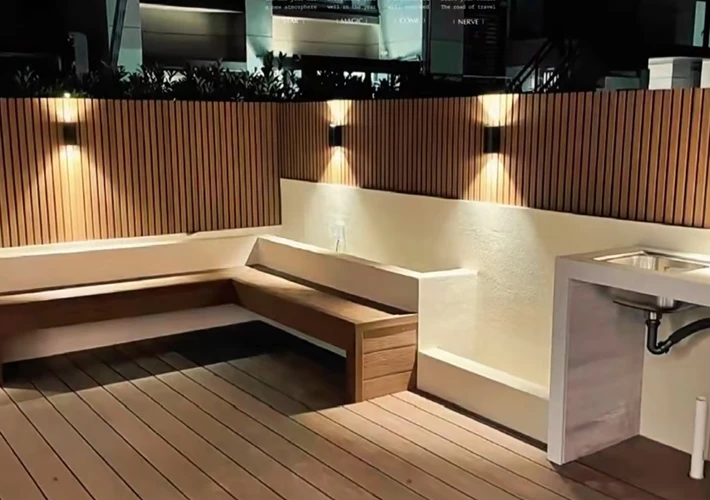

In modern architecture and construction, exterior wall materials are no longer judged solely by appearance. Durability, sustainability, installation efficiency, long-term maintenance costs, and adaptability to different climates have become equally—if not more—important. Against this backdrop, composite cladding has emerged as one of the most popular solutions for exterior walls in residential, commercial, and public building projects worldwide.
From luxury villas and apartment complexes to hotels, office buildings, schools, and renovation projects, composite cladding is increasingly replacing traditional materials such as natural wood, stone, brick, and metal. This article provides a comprehensive, in-depth analysis of the advantages of composite cladding for exterior walls, explaining why architects, developers, contractors, and wholesale buyers are turning to this material as a long-term solution.
What Is Composite Cladding?
Composite cladding is an exterior wall covering material manufactured by combining two or more raw materials to achieve superior performance compared to single-material alternatives. The most common types include:
- Wood Plastic Composite (WPC) cladding
- Fiber cement composite panels
- Aluminum composite panels (ACP)
- High-performance polymer-based composite boards
Among these, WPC composite cladding is particularly popular for exterior walls due to its balance of aesthetics, weather resistance, and cost efficiency. It typically consists of:
- Wood fibers or bamboo fibers
- Thermoplastics such as PE, PP, or PVC
- Additives for UV resistance, fire retardancy, and color stability
The result is a material that combines the natural appearance of wood with the durability and low maintenance of plastic or mineral-based components.
Advantages of Composite Cladding for Exterior Walls
1.Exceptional Durability for Outdoor Environments
One of the most significant advantages of composite cladding for exterior walls is its outstanding durability in harsh outdoor conditions.
Resistance to Weather and Climate
Composite cladding is designed to withstand:
- Heavy rain and moisture
- Strong sunlight and UV exposure
- Snow and freezing temperatures
- High humidity and coastal salt air
Unlike natural wood, which can warp, crack, or rot over time, composite cladding maintains its structural integrity even after years of exposure.
Long Service Life
High-quality composite cladding systems often have a service life of 20–30 years or more, making them ideal for long-term projects where replacement and repair costs must be minimized.
2.Superior Moisture and Water Resistance
Moisture is one of the biggest enemies of exterior wall materials. Composite cladding excels in this area.
No Rot or Mold
Traditional wood absorbs water, leading to:
- Rot
- Mold growth
- Termite infestation
Composite cladding, especially WPC and polymer-based systems, has extremely low water absorption, effectively preventing these issues.
Ideal for High-Humidity Regions
This makes composite cladding particularly suitable for:
- Coastal areas
- Tropical climates
- Regions with heavy rainfall
- Bathroom and balcony exterior walls
3.Low Maintenance and Cost Efficiency
Another major advantage of composite cladding for exterior walls is minimal maintenance requirements.
No Painting or Sealing
Unlike wood or metal cladding, composite panels do not require:
- Regular repainting
- Oiling or sealing
- Anti-rust treatment
A simple periodic cleaning with water is usually sufficient.
Lower Lifetime Cost
Although the initial material cost may be slightly higher than basic traditional materials, composite cladding significantly reduces:
- Maintenance expenses
- Labor costs
- Replacement frequency
Over the full lifecycle of a building, this translates into substantial cost savings.
4.Aesthetic Versatility and Design Freedom
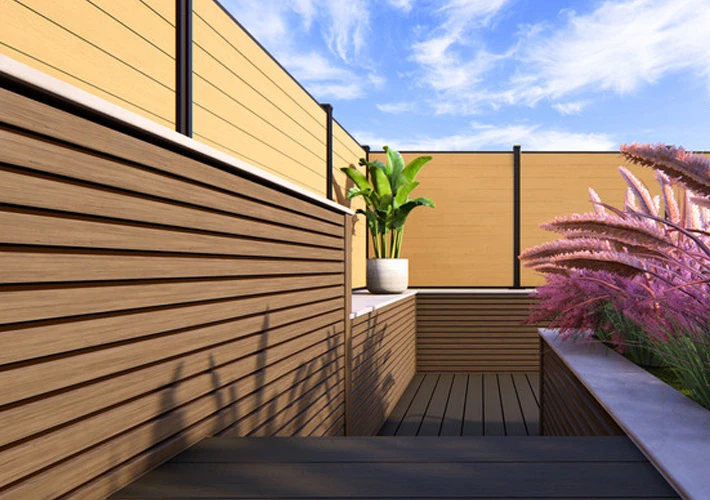
Composite cladding offers remarkable flexibility in design, making it suitable for both modern and traditional architectural styles.
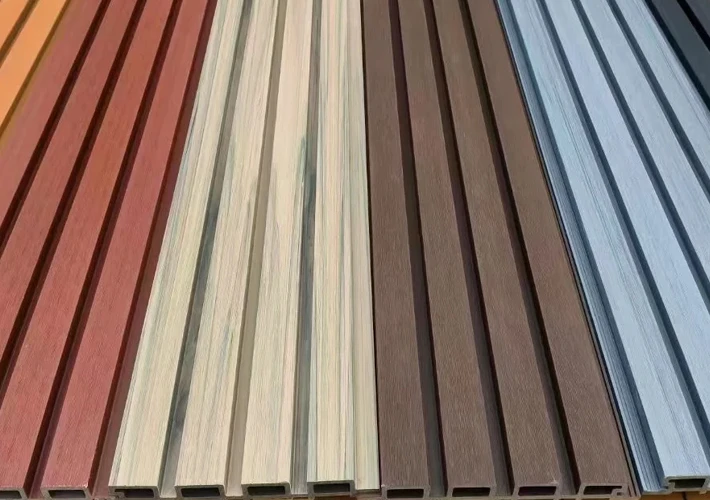
Wide Range of Colors and Textures
Manufacturers can produce composite cladding in:
- Natural wood grain finishes
- Stone and concrete textures
- Solid modern colors
- Custom color matching for branding or design themes
Consistent Appearance
Unlike natural materials, composite cladding maintains a uniform color and texture, avoiding the inconsistencies often found in wood or stone.
Compatibility with Modern Architecture
Clean lines, hidden fastening systems, and modular panel designs allow composite cladding to meet the demands of:
- Contemporary façades
- Minimalist buildings
- High-end commercial projects
5.High Strength with Lightweight Structure
Composite cladding offers an excellent strength-to-weight ratio.
Reduced Structural Load
Compared to stone or brick, composite panels are significantly lighter, which:
- Reduces load on building structures
- Simplifies structural design
- Makes them ideal for renovation and retrofit projects
Easy Handling and Transportation
The lightweight nature of composite cladding also:
- Lowers transportation costs
- Reduces labor intensity on site
- Speeds up construction timelines
6.Easy and Fast Installation
Installation efficiency is a critical factor in modern construction, especially in regions with high labor costs.
Modular System Design
Most composite cladding systems use:
- Interlocking panels
- Click-in or tongue-and-groove designs
- Hidden clips or rails
These features significantly reduce installation time.
Labor-Saving Solution
Faster installation means:
- Lower labor costs
- Shorter project timelines
- Less disruption for renovation projects
This advantage is particularly attractive for hotel, apartment, and commercial renovations where time equals money.
7.Fire Resistance and Safety Performance
Fire safety is a key concern for exterior wall materials, especially in commercial and high-rise buildings.
Fire-Retardant Options
Modern composite cladding can be engineered to meet:
- Class B or Class A fire ratings
- Regional fire safety regulations in the US, Europe, and other markets
Improved Building Safety
Compared to untreated wood cladding, composite systems significantly reduce fire risks, making them more suitable for public buildings and dense urban environments.
8.Environmentally Friendly and Sustainable Choice
Sustainability is no longer optional—it is a requirement in many markets.
Use of Recycled Materials
Many composite cladding products incorporate:
- Recycled plastics
- Reclaimed wood fibers
This reduces landfill waste and lowers the environmental footprint.
Reduced Timber Consumption
By replacing natural wood, composite cladding helps:
- Protect forests
- Reduce deforestation
- Support sustainable construction practices
Long Life = Lower Environmental Impact
The long service life and low maintenance of composite cladding mean fewer resources are consumed over time.
9.Excellent Thermal and Acoustic Performance
Composite cladding contributes to overall building performance beyond aesthetics.
Thermal Insulation Support
When combined with insulation layers, composite cladding:
- Improves energy efficiency
- Reduces heat transfer
- Helps stabilize indoor temperatures
Noise Reduction
Composite materials also provide a degree of sound insulation, making them suitable for:
- Urban buildings
- Hotels
- Residential complexes near roads or airports
10.Resistance to Insects and Biological Damage
Insects and pests can cause serious damage to traditional exterior wall materials.
Termite-Proof Structure
Composite cladding contains no organic material that insects can digest, effectively preventing:
- Termite attacks
- Wood-boring insects
This advantage is especially valuable in tropical and subtropical regions.
Adaptability to Global Markets and Applications
Composite cladding is widely used across different regions due to its adaptable performance.
Popular Applications
- Residential houses and villas
- Apartment buildings
- Hotels and resorts
- Office buildings
- Schools and hospitals
- Commercial façades
- Renovation and retrofit projects
Suitable for Various Climates
From cold European winters to hot and humid Southeast Asian environments, composite cladding performs reliably with proper formulation.
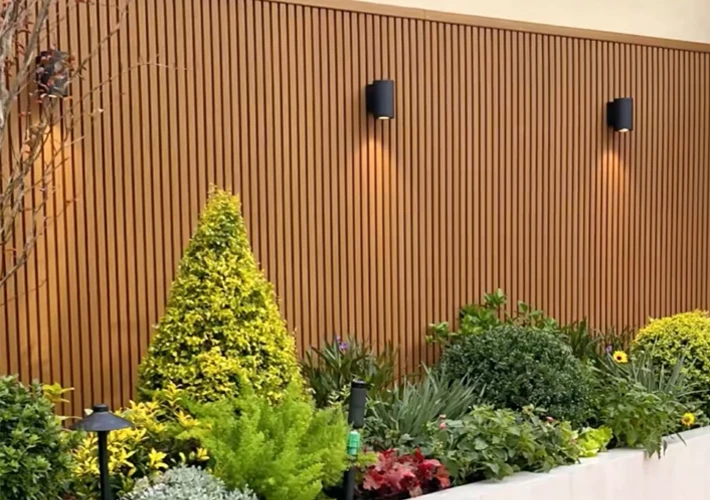
Ideal Material for Renovation and Remodeling Projects
Renovation projects often require materials that can be installed quickly without extensive structural changes.
Direct Installation Over Existing Walls
Composite cladding systems can often be installed over:
- Old tiles
- Concrete walls
- Aging façades
This minimizes demolition work and reduces waste.
Modernizing Old Buildings
Composite cladding instantly upgrades the appearance of outdated buildings, increasing property value and market appeal.
Stable Supply and Standardized Quality for B2B Buyers
For developers, contractors, and wholesalers, consistency and reliability are crucial.
Factory-Controlled Production
Composite cladding is manufactured under controlled conditions, ensuring:
- Stable quality
- Precise dimensions
- Consistent color and performance
Scalable Production Capacity
Large-scale factories can support:
- Bulk orders
- Long-term supply contracts
- Custom specifications for international projects
This makes composite cladding an ideal product for importers, distributors, and large construction projects.
Comparison with Traditional Exterior Wall Materials
Composite Cladding vs Natural Wood
- More durable
- Lower maintenance
- Better moisture and insect resistance
Composite Cladding vs Stone or Brick
- Lighter weight
- Faster installation
- Lower structural cost
Composite Cladding vs Metal Cladding
- Better thermal performance
- No corrosion issues
- Warmer, more natural appearance
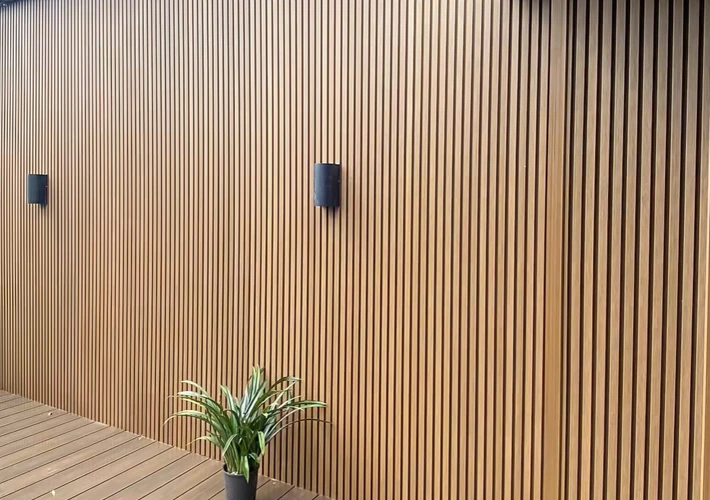
Future Trends of Composite Cladding in Exterior Walls
The global demand for composite cladding is expected to continue growing due to:
- Urbanization
- Green building regulations
- Rising labor costs
- Demand for fast construction solutions
Innovations such as:
- Improved fire ratings
- Enhanced UV stability
- More realistic textures
- Smart façade systems
will further expand the application of composite cladding in future architectural projects.
Conclusion
The advantages of composite cladding for exterior walls extend far beyond appearance. Its durability, moisture resistance, low maintenance, sustainability, and installation efficiency make it one of the most reliable and future-proof façade materials available today.
Whether for new construction or renovation, residential or commercial projects, composite cladding provides a balanced solution that meets modern architectural, economic, and environmental demands. As global construction trends continue to favor efficiency, sustainability, and long-term performance, composite cladding will remain a key material shaping the future of exterior wall design.
For builders, architects, and B2B buyers seeking a high-performance exterior wall solution with stable quality and global applicability, composite cladding stands out as a clear and proven choice.